




Credit: Dimach
Scroll through social media and you’ll see the same pattern. Payday stories, food reviews, concert clips, flash sales. It looks fun. It also hides a real question many young adults quietly wrestle with: how to manage money without feeling like life has to stop. Gen Z Budgeting often gets framed as strict rules and sacrifice, when in reality it’s more about choosing what matters right now and what can wait. This guide breaks that down in a practical, realistic way. We guarantee, no lectures, no hype.
Why budgeting feels harder for Gen Z
Most Gen Z adults entered the workforce during unstable times. Prices rise fast. Jobs change quickly. Side income is common, but so is uncertainty. On top of that, spending is no longer invisible. Every purchase comes with a screen, a review, and often social pressure.
A few real-world factors shape today’s money decisions:
- Income often comes from multiple sources, not one fixed salary
- Digital payments make spending feel painless
- Experiences are valued as much as physical things
- Financial education is usually learned late, not early
Budgeting in this context isn’t about perfection. It’s about control.
The real question behind “food, concert, or savings?”

This question shows up everywhere, especially among young workers in Indonesia. It sounds simple, but it isn’t really about choosing one option. What people are actually asking is:
- How do I enjoy life without sabotaging my future?
- How much saving is “enough” right now?
- Is it irresponsible to spend on experiences?
There’s no universal answer. But there is a clear way to approach the decision.
Start with a clear monthly money picture
Before priorities, trends, or advice, you need visibility. Not motivation. Not discipline. Just clarity.
That means knowing three numbers:
- Total monthly income
- Fixed expenses
- Flexible spending space
For many Gen Z workers, income isn’t just a salary. It can include freelance work, commissions, or irregular side projects. Use an average if the number changes month to month. Fixed expenses usually include rent, transport, basic food, phone, and internet. These rarely change and should be listed first. What remains is where choices actually exist.
Food spending: necessity or lifestyle?
Food is not optional, but the way money is spent on food often is. There’s a big difference between:
- Daily meals
- Coffee habits
- Weekend dining
- Viral food trends
Many young adults underestimate how much food spending expands when lifestyle choices get mixed into basic needs.
A realistic approach is separating food into two categories:
Essential food:
Groceries
Daily meals during workdays
Lifestyle food
Cafés
Food delivery for convenience
Trend-based dining
This doesn’t mean cutting fun meals. It means deciding how often they fit your current situation.
Concerts and experiences: where they actually fit

Concerts, festivals, and trips are often labelled as “wants.” That label doesn’t tell the full story.
For Gen Z, experiences are social currency. They build memories, networks, and sometimes even professional opportunities. The problem isn’t attending a concert, but is pretending it’s spontaneous when it actually requires planning.
Ask simple questions before buying tickets:
- Is this a one-time event or a regular habit?
- Will this affect my ability to pay essentials?
- Can I plan for it two or three months ahead?
When experiences are planned, they stop feeling like financial mistakes.
Savings: small, boring, and extremely important
Saving rarely feels urgent until it suddenly is. Emergency needs don’t announce themselves. Job changes, health issues, family responsibilities often arrive without warning. For early-stage workers, saving doesn’t need to be large to be effective. What matters is consistency.
A common starting point is setting aside a fixed percentage as soon as income arrives. Even 5–10% builds a habit.
Savings should not depend on what’s left at the end of the month. That system rarely works.
A simple priority framework that actually works

Instead of choosing between food, concerts, or savings, use a layered approach. Think in order, not competition.
- Essentials covered: Housing, basic food, transport, communication.
- Minimum savings secured: A small, automatic amount each month.
- Lifestyle spending planned: Dining, concerts, travel, hobbies.
This structure allows enjoyment without guilt because the basics are already handled. This is where many Gen Z budgeting attempts fail. People try to control step three without stabilizing steps one and two.
What form budgeting looks like in real life
Form budgeting doesn’t require complicated apps or spreadsheets. It’s simply assigning a role to every portion of income. For example:
50% essentials
20% savings
30% flexible spending
These numbers are not rules. They’re placeholders. Adjust them based on income level and living costs.
What matters is that money has a job before it gets spent.
Salary budget vs reality: closing the gap
A salary budget often looks good on paper. Reality tests it daily. Common gaps include underestimating transport or delivery costs, forgetting irregular expenses and ignoring social spending. One way to fix this is tracking expenses for one full month without judgment. No cutting. No changes. Just observation. Patterns show up quickly. That’s where meaningful adjustments happen.
Budgeting tips that don’t feel restrictive also helps a lot. Most people abandon budgets because they feel punished by them. A few adjustments can help avoid that:
- Leave room for flexibility
- Plan enjoyment, don’t eliminate it
- Review monthly, not daily
- Budgeting should support your life, not control it.
When spending becomes emotional
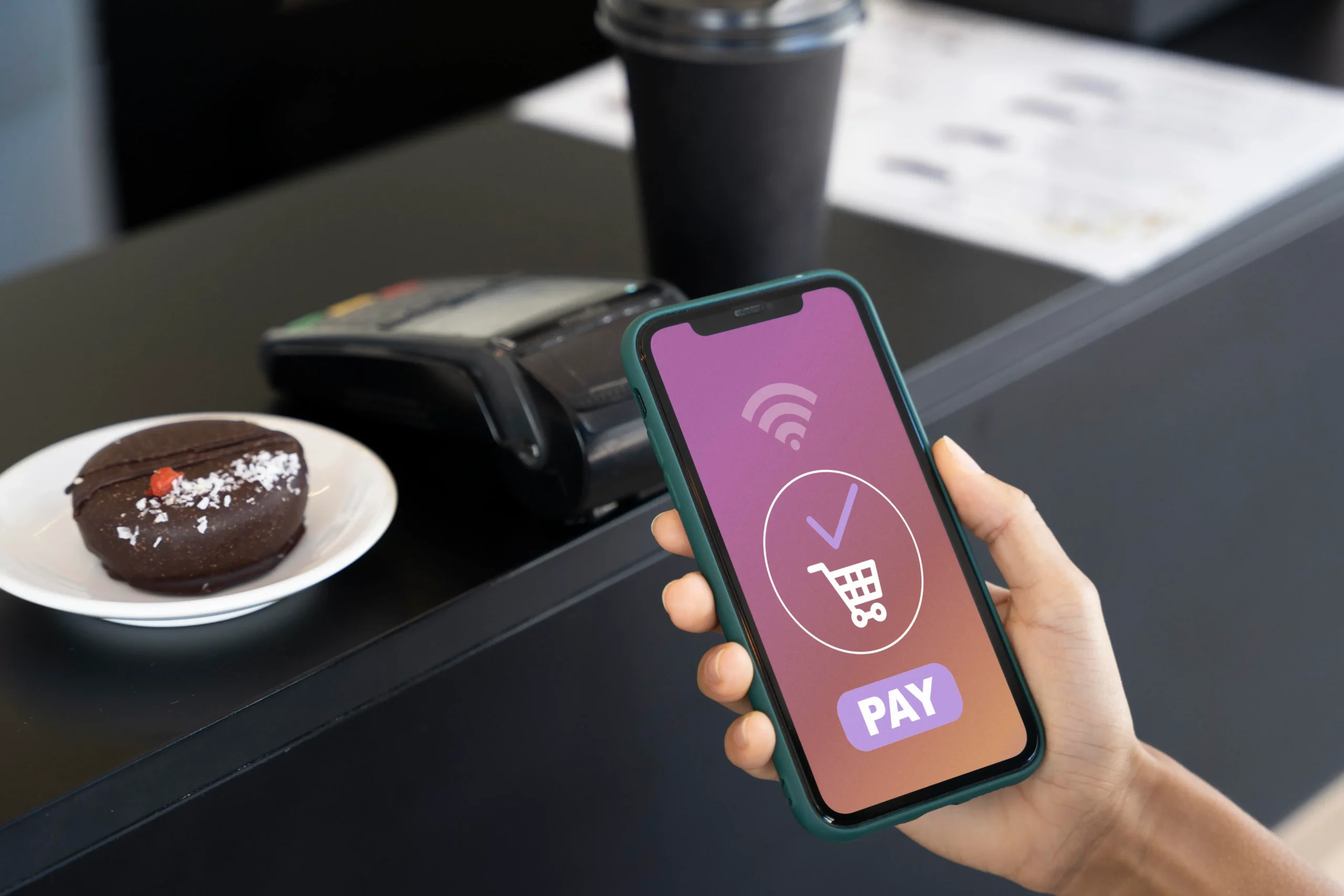
Impulse spending is rarely about the item itself. It’s often triggered by stress after work, Fear of Missing Out or FOMO, and constant social comparison. Recognizing the trigger matters more than blaming the behavior.
A pause of even 24 hours before non-essential purchases reduces regret significantly.
Impulse spending also can be triggered by the “invisible money”. Cash creates friction, while digital payments remove it.
This makes budgeting much more important, not less so. If spending seems abstract, restrictions vanish quickly. Simple measures, such as weekly spending limits or separate accounts, may help restore awareness.
Therefore, the goal isn’t restriction. It’s visibility.
Adjusting priorities as income grows
Lifestyle inflation doesn’t happen overnight. It creeps, slowly but deadly. A pay raise often leads to higher spending before savings increase. This is where conscious decisions matter. A useful rule is upgrading one thing at a time. Not everything at once. Better food or more experiences or higher savings. Rotate upgrades over time.
Common mistakes worth avoiding
- Waiting for “more income” before saving
- Copying someone else’s lifestyle budget
- Treating savings as optional
These show up repeatedly among young professionals. None of these are fatal. But they slow individual progress. If you’re wondering what successful budgeting would look like, contrary to popular believe, it doesn’t mean never worrying about money. It means:
- Bills are paid without stress
- Savings exist, even if modest
- Spending choices feel intentional
That’s it.
No perfect spreadsheet. No extreme discipline.
Just direction.
Which formula works best?
Food, concerts, and savings are not enemies. They represent different needs at different moments. The key is sequencing, not sacrifice.
With realistic planning, honest tracking, and regular adjustment, Gen Z budgeting becomes less about choosing what to cut and more about deciding what deserves space right now.
That shift makes all the difference.
Curious about Indonesia’s latest financial takes? Explore RiseAsia for more tips and insights to help you grow your career, understand financial trends, and make smarter decisions about your budgeting.