
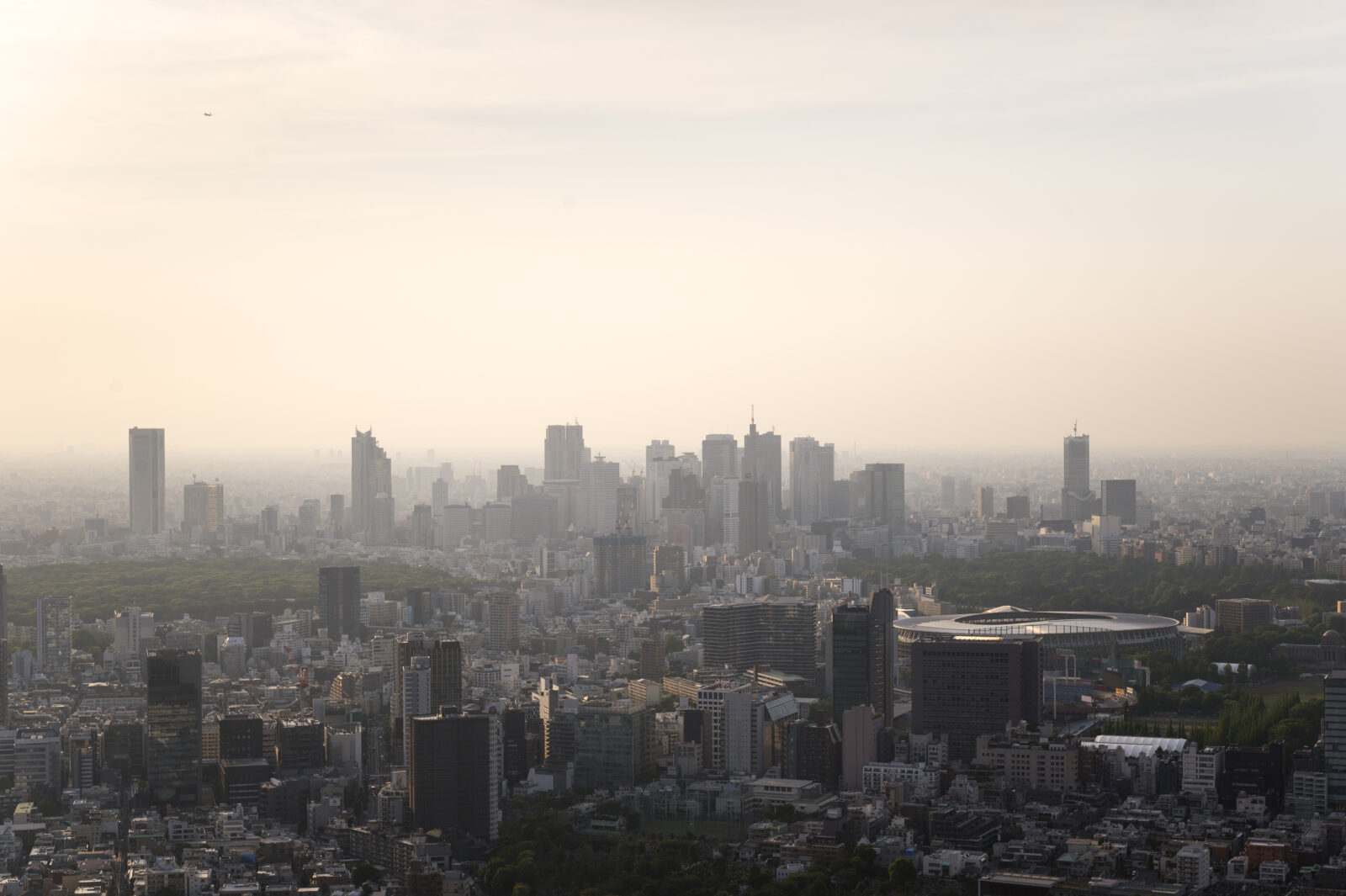

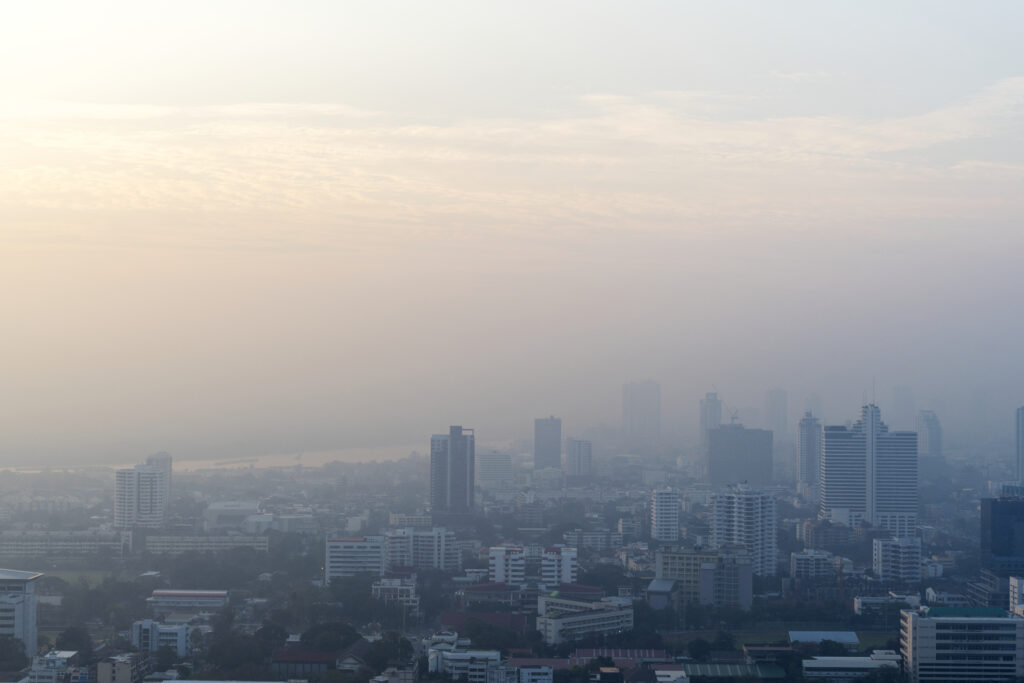
Thailand PM2.5 air pollution has reached critically high levels, particularly in Bangkok, raising serious public health concerns. Recent air quality data shows PM2.5 concentrations exceeding national safety standards in several inner-city areas.
PM2.5 particles are extremely small and can penetrate deep into the lungs and bloodstream. Exposure to these particles increases the risk of respiratory diseases, cardiovascular problems, and other long-term health conditions, especially among children and the elderly.
One of the main causes of Thailand PM2.5 air pollution is vehicle emissions. Heavy traffic congestion in Bangkok releases large amounts of exhaust fumes, which accumulate due to limited air circulation in dense urban areas.
Construction activities and industrial emissions further worsen Bangkok air quality. Dust from construction sites, combined with weather conditions that trap pollutants near ground level, intensifies pollution during peak periods.
Authorities have introduced short term measures to address air pollution, including stricter inspections of high-emission vehicles and increased road cleaning. The Bangkok Metropolitan Administration has also urged the public to monitor daily air quality levels and limit outdoor activities.
Long-term solutions focus on reducing reliance on private vehicles and expanding public transportation. Policies promoting electric vehicles, cleaner fuel standards, and urban green spaces are seen as key strategies to improve air quality in Thailand.
Experts warn that without structural reforms and sustained enforcement, PM2.5 pollution will remain a recurring issue. Continued cooperation between government agencies and the public is essential to reduce Thailand PM2.5 air pollution in the future.
Read more Asia news on RiseAsia.com