



Artificial Intelligence or AI is not just a future concept. Many companies are already using AI tools to automate tasks, reduce operational costs, and improve efficiency in Malaysia. The changes are happening, from chatbots handling customer inquiries to AI-powered software generating reports and content, AI is taking over the industry.
Recent studies show that about 18% of Malaysian formal sector jobs could be impacted by AI within the next three to five years. At the same time, around 73% of Malaysian workers express concern about AI-related job losses. This raises an important question, Is AI truly replacing jobs in Malaysia or is it simply changing how work is done ?
AI Is Rising And Malaysia Is Feeling the Shift
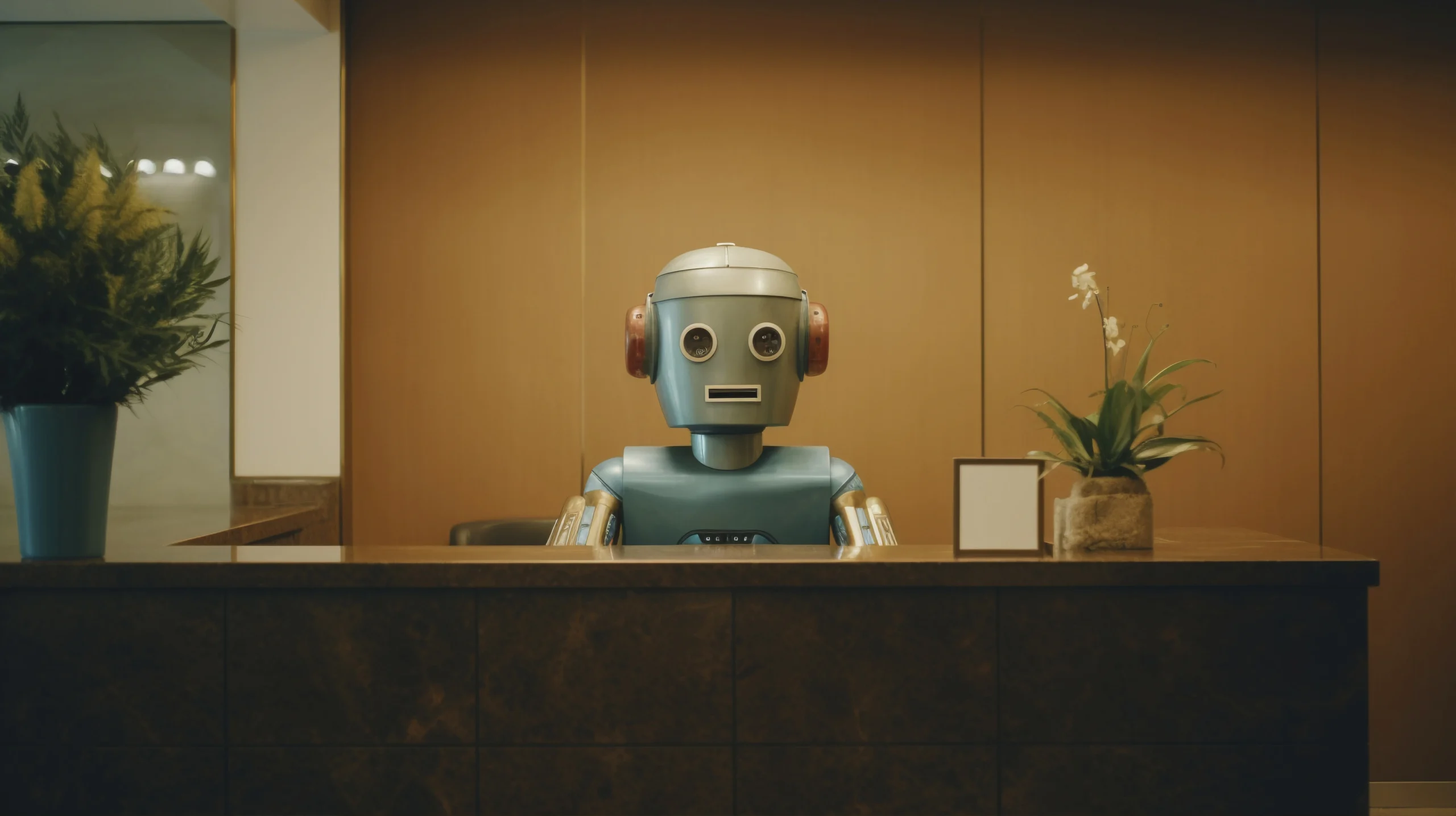
Businesses today are under pressure to cut costs and increase productivity. AI offers a practical solution. It can work 24/7, process data faster than humans, and handle repetitive tasks with high accuracy.
At the end, some roles are being reduced or restructured. For example, customer service chatbots now manage basic inquiries, while AI accounting tools handle simple bookkeeping tasks. In content creation, AI tools can draft articles, generate captions, and even design simple visuals within minutes.
However, this does not mean AI is replacing entire industries overnight. Instead, it is changing how certain tasks are performed.
Which Jobs Are Most Vulnerable in Malaysia?
AI is most effective in roles that involve repetitive, rule-based, and predictable tasks. These are the areas facing the highest risk.
1. Administrative and Clerical Roles
Jobs such as data entry clerks, scheduling assistants, and basic bookkeeping staff are vulnerable. AI systems can process large amounts of information quickly without fatigue, making automation more cost-effective for companies.
2. Entry-Level Customer Service
Many businesses now use AI chatbots to answer common questions, handle basic complaints, and manage FAQs. While complex cases still require human agents, entry-level support role are increasingly automated.
3. Basic Content and Media Roles
AI writing tools can generate simple blog posts, captions, product descriptions, and translations. Junior-level content creators and designers who handle basic tasks may face more competition as companies experiment with AI-generated content.
4. Repetitive Manufacturing Jobs
Automation and robotics have long been part of the manufacturing sector. AI enhances these systems, further reducing the need for manual labour in repetitive production roles.
Jobs That Are Less Likely to be Replaced

Not all careers face the same level of risk. AI struggles in areas that require empathy, critical thinking, leadership, and complex decision-making.
Human-centered roles such as doctors, nurses, teachers, counselors, and social workers remain essential because they rely heavily on emotional intelligence and human interaction.
Strategic and leadership positions are also safer. Business strategists, marketing managers, engineers handling complex systems, and decision-makers cannot be fully replaced by AI. These roles require judgement, experience, and accountability that technology alone cannot provide.
AI Is Changing Jobs and Not Just Replacing Them

AI does not simply remove entire professions but it replaces repetitive tasks within a role. Customer service agents may supervise AIchat systems instead of handling basic inquiries, while writers and marketers increasingly use AI tools to draft content and analyse campaigns. This shows that jobs are evolving to become more technology-assisted rather than fully eliminated. The key difference lies in adaptation. As many experts highlight, AI won’t replace you, but someone who knows who knows how to use AI might. Those who integrate AI into their workflow are more likely to stay competitive.
What Should Malaysian Workers Do Now?

Instead of fearing AI, Malaysian workers should focus on upgrading their skills. Learning how to use AI tools, data analytics, and automation systems can improve job security in many industries. At the same time, strengthening human skills such as communication, creativity, leadership, and critical thinking remains essential because they are difficult to automate. Diversifying income streams through freelancing or digital services can also provide extra stability. In the end, the future of work will favour those who are willing to adapt and evolve alongside technology.
Explore More Career Insights on RiseAsia
For more insights on career trends, workplace changes, and income strategies in Malaysia, explore other articles on RiseAsia and stay informed about the country’s rapidly changing professional landscape.