The Philippines experiences rapid transformation of its monetary system through digital payment systems. The economy used to be mostly cash-based, but now it’s becoming more mobile-first. The public now uses digital payments for various purposes, which include transportation and retail and government services and peer-to-peer transfers.
The economic impact of this change extends beyond its immediate effects. Digital payments enable users to make transactions more easily, but they also support financial inclusion and business operations and tax collection efforts and the development of the country’s digital economy. The Philippines emerges as a leading cashless market in Southeast Asia because the region’s financial system becomes increasingly interconnected.
The Growing Presence of Digital Payments in Daily Life
For many years people in the Philippines used cash as their primary payment method because banks were difficult to reach and the country had extensive geographical distribution. The adoption of digital payments accelerated after smartphones and internet access and fintech platforms became widely available.
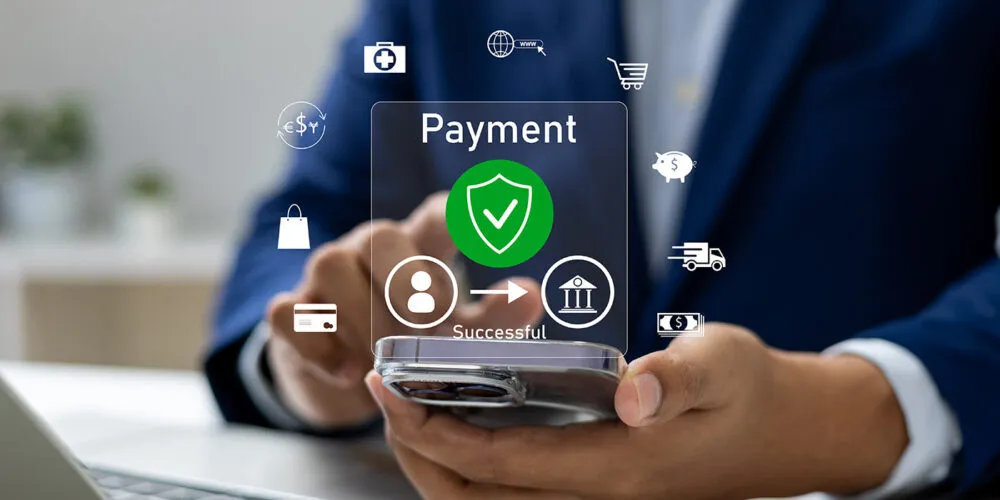
Filipinos use digital payment methods to pay bills and send money home and shop online and buy products from local retailers. Small businesses and public transportation systems now use QR code payments as their standard payment method.
The extensive mobile device usage demonstrates that people now prefer using their phones to access financial services.
E-Wallets as a Gateway to Financial Inclusion
E-wallets function as essential components within the digital payment framework which operates in the country. The system provides users with simple access through their smartphones because it requires less documentation compared to traditional bank accounts. The system has enabled millions of Filipinos to access digital finance services because it provides services to people who lack formal banking relationships.
E-wallets serve as the initial financial entry point for many individuals who want to enter the banking system. The system enables users to store funds transfer money make payments to merchants and access services which include microloans and insurance products.
The system has increased economic participation because it provides users with simple access to services which allow people in rural areas and informal sector workers and small business owners to join the workforce.
Impact on Small Businesses and Informal Trade
Dynamics of small and micro business operations are changing with digital payments. Because payment systems are expensive, people until recently used cash exclusively. Mobile payments options have lessened these challenges significantly. Digital transaction histories can make it easier to process transactions, deal with less cash and keep better records for businesses. With this, businesses can use these forms to track their performance and apply for loans. But we have to solve that. The adoption rate in some areas could be hampered by the poor digital skills of small businesses, transaction fees and network problems..
Changing Consumer Behavior
Digital payments are also changing how people spend their money. Mobile transactions are quick and easy, which makes people buy more often and in smaller amounts. Digital records also make things more clear, which helps people keep track of their spending.
Experts say that while this makes it easier to keep track of money, easy access to digital credit features may make it more likely that younger users will spend too much.
Conclusion:
The Philippines uses digital payments now as a tool to enhance technology. Digital payments now show a larger impact on financial activities used by people and businesses and organizations.
Digital payment systems serve as a primary engine for economic modernization because they enable people to access financial services and use those services with better efficiency and greater transparency. The system will continue to grow through increasing user adoption. However, the system needs to solve three main problems which include accessibility issues and security concerns and regulatory matters to complete its mission of delivering economic advantages to all.
Interested in digital payments? Check out Vietnam’s Digital Banking Transformation via Mobile Payments. See more Asia stories at riseasia.com


 Kirsten CastroFebruary 15, 20263 Mins read423