
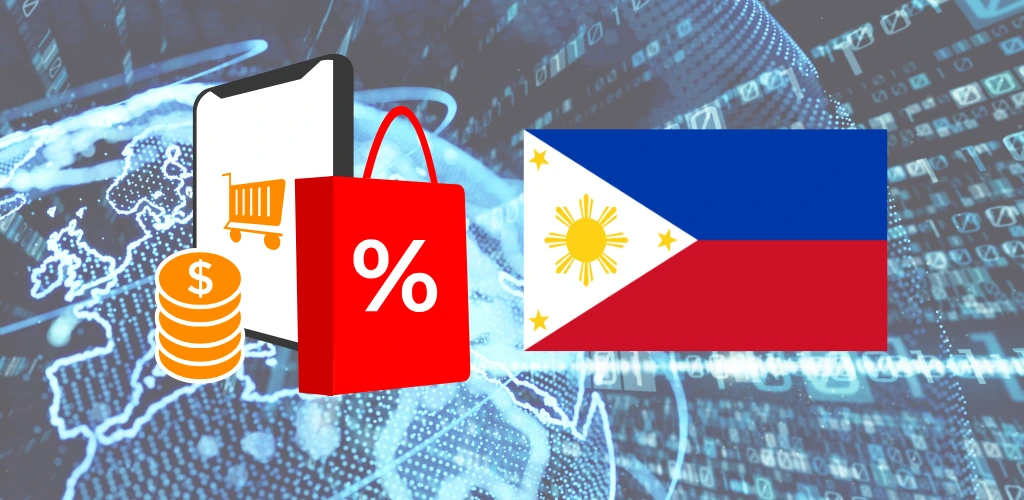
There is a structural change happening in the Philippines: internet platforms are no longer only in Metro Manila. Digital markets have moved across the country from their beginnings in cities, which has had a huge impact on how businesses compete.
It’s not only about buying things online. It has to do with being able to get into markets, being able to get money, and being able to take part in the economy of the provinces.
One of the best signs of the rise of the Philippines’ digital market is the growing number of small and medium-sized businesses (SMEs) in the provinces that sell items on national online marketplaces.
Shops in:
are now selling to individuals in all three regions of the Philippines: Luzon, Visayas, and Mindanao.
Digital stores have removed the conventional limits on how far consumers can go to get to a business. Now, a small food maker in Davao may sell to consumers in Metro Manila without having to open a store there.
That move makes it easier to make money and costs less up front.
E-commerce in the Philippines is becoming a mix of different types. More and more people are:
There are both online and physical ways to buy things. This means that stores get more customers when they are easy to find online. Even stores that are open to the public need to be on the internet to stay competitive.
For the digital market to flourish, fintech needs to be used more widely in the Philippines. The usual use of:
has made things move more smoothly. People still use cash, but more and more young people and city workers in the Philippines are adopting digital payments.
Embedded digital finance gives small and medium-sized organizations the ability to do the following:
This makes formal economic participation stronger.
Better logistics networks are making it easier for people to shop online. Big delivery businesses have expanded their services to more areas in the provinces. More and more warehouses are being built outside of Metro Manila.
This logistics infrastructure makes it feasible to:
Digital penetration stops because logistics aren’t reliable. It makes trade between provinces go faster.
As more small and medium-sized enterprises join digital marketplaces, competition gets tighter. Businesses are investing money in:
Digital advertising isn’t just a test anymore; it’s a must-have. The final consequence is a retail scene that is more competitive and based on facts.
The digital economy in the Philippines is growing, and it affects more than just buyers and sellers. It gets things done:
A larger digital ecosystem is forming. This shows how RiseAsia’s goal of modernizing the economy through technical integration works.
There are still challenges, even though things are getting better:
How well these gaps are closed will determine how open digital growth becomes.
The rise of the digital market impacts how businesses compete. It helps small firms develop without having to buy a lot of new equipment. It also helps to level the playing field between regions by helping producers in provinces satisfy the needs of the whole country. Digital penetration is making it easy for everyone to get into the field.
The digital market in the Philippines is already growing, not something that will happen in the future.
Retailers, banks, logistics organizations, and small and medium-sized businesses (SMEs) are all working together to make the business world more connected. Investors and governments are no longer worried about whether consumers will keep utilizing digital technology. The question is how to keep it open to everyone, safe, and useful for getting work done.
Explore more growth and capital insights on RiseAsia.com.
It increases SME participation, improves financial inclusion, and expands national market access.
Yes, many now sell nationwide without needing physical branches.
Fintech adoption, logistics networks, and mobile connectivity are key drivers.
Digital payments are now a normal part of doing business in Malaysia....
Hyundai Motor Malaysia is getting ready for a big year ahead. Hyundai...
Indonesia has always attracted travelers. Beaches, volcanoes, temples, and island culture bring...
A lot of workers are no longer just asking about their pay....