
Secondhand shopping is not new in the Philippines.
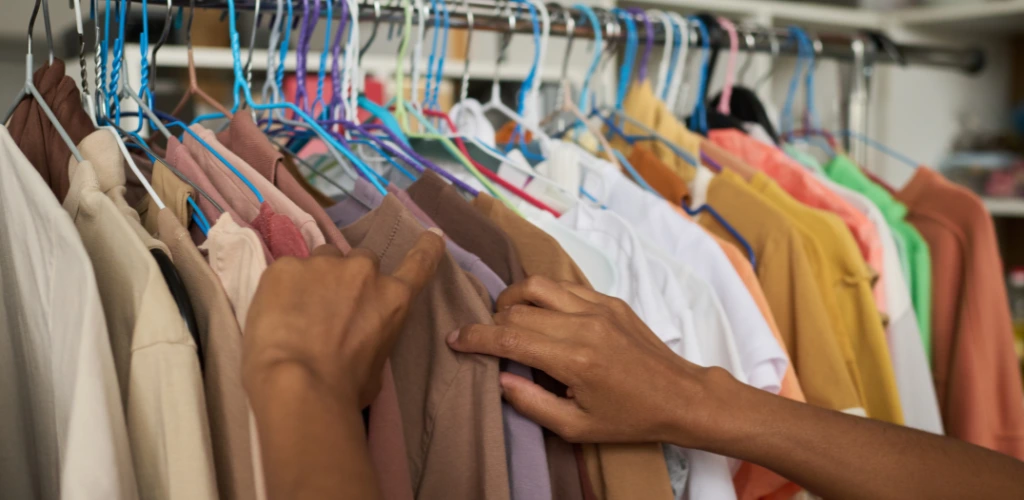
Filipinos were already used to the idea of buying used things long before online markets came around. You can often locate ukay-ukay kiosks in public marketplaces or neighborhoods. These stalls have rows of clothing racks packed with used clothes from other countries.
Ukay-ukay has been a part of everyday shopping for a long time. It was a cheap way for families to get clothes, shoes, and other things they needed.
The principle is still the same now. The market is now happening at a different place.
The secondhand markets Philippines sector is going online all throughout the country. Digital channels are also giving the culture of reselling a new place to grow.
The Philippines first grew very interested in ukay-ukay in the 1990s.
Used clothes that were brought in from other countries, including Japan, Korea, or the US, came in big bundles. Vendors would break these bales up and sell the things within for very low prices.
For a lot of people, ukay-ukay turned into a treasure hunt. It seemed like a tiny accomplishment to find a unique jacket or a name-brand shirt at a low price.
That experience is still going on today.
But a lot of people now look at curated lists on their phones instead than going to busy markets and looking through racks.
Sellers can take pictures of certain items and show them in a more structured way on online resale sites. Buyers may look through certain styles, sizes, and brands without having to sort through a lot of clothes.
Digital platforms are just bringing shopping habits that Filipinos have had for decades into the 21st century.
One big distinction between traditional ukay-ukay and current resale sites is that they curate their items.
A lot of online vendors now carefully choose what they sell before they list it. They don’t sell big batches of random things; instead, they specialize on certain styles or niches.
Some people are experts in:
Some people are more interested in clothes that have been professionally cleaned or restored.
This method is especially popular with younger people who desire used clothes that match their style.
Online thrift stores in the Philippines are just as cheap as ukay-ukay, but they are more convenient and offer more options.
Online resale has grown a lot because to social media.
A lot of merchants use Instagram, Facebook Marketplace, or live-selling streams to offer their goods.
A merchant might show off a small group of well chosen items and talk about them in real time during a livestream. People who want to buy then leave comments or send messages to claim stuff.
This way of selling makes it feel like you’re part of a community.
It also helps small merchants create loyal customers who check fresh listings often.
Social media has basically turned the old-fashioned ukay-ukay hunt into a digital shopping trip.
The major reason people buy things online is still the same: they are cheap.
Used clothes and other commodities are often much cheaper than new ones sold in stores.
This makes resale sites appealing to:
A lot of buyers are also hunting for branded or imported clothes that could be too pricey to buy in ordinary stores.
The resale market in the Philippines is still going strong because it offers both value and accessibility.
While being able to afford something is still crucial, being concerned of the environment is becoming another reason for resale development.
Fashion waste has become a big problem all around the world. Fast fashion has made people buy more clothes, but it has also made clothes last less long.
Shopping at thrift stores is another option.
Resale shops help create a circular economy by making clothes and other commodities last longer.
More and more young Filipinos know about this idea. People sometimes think that buying used things in the Philippines is not only useful but also good for the environment.
The move toward digital resale has also opened up new ways to make money.
A lot of sellers start by cleaning out their own closets. Over time, some people start tiny businesses by buying things at thrift stores and selling them online.
These dealers generally develop their own brands by:
Resale platforms can help people get started in business because the costs of starting a business are quite minimal.
The resale economy gives people in countries where side hustles are widespread a way to make extra money.
Online resale platforms are still having certain problems, even though they are growing.
One problem is trust. Sometimes, buyers are concerned about photographs or descriptions that aren’t true.
To fix this, a lot of systems now have:
Logistics is another problem. Shipping things between islands can cost more and take longer to arrive.
Still, better courier networks and digital payments are making transactions easier with time.
Digital resale sites don’t replace ukay-ukay culture.
It doesn’t stop there; it expands on it.
Filipinos have been fine with buying used things for a long time. Because of that cultural knowledge, the move to selling things online has been rather easy.
What used to happen on busy market stalls is now happening on smartphone screens.
The rise of secondhand marketplaces in the Philippines shows how old-fashioned shopping patterns can change with new technology.
Generations of Filipinos learned how useful secondhand shopping can be via ukay-ukay. Digital platforms are now taking that idea and turning it into a more organized and easy-to-reach marketplace.
As the resale culture changes, the Philippines may witness a stronger circular economy. This is an economy where things are reused, new enterprises start small, and shoppers find wiser ways to shop.
For more Asia Stories, visit riseasia.com.
Ukay-ukay refers to stalls or shops selling imported secondhand clothing, a retail tradition that has existed in the Philippines for decades.
Digital platforms allow sellers to offer curated items while giving buyers easier access to preloved clothing that fits their style and budget.
Yes. Many sellers start by reselling thrifted clothing online and gradually turn it into a small side business.
During the Gaikindo Jakarta Auto Week, Changan formally unveiled the Lumin electric...
The technological shift wave is transforming the provinces surrounding Hanoi and Ho...
In the burgeoning digital world of Vietnam this March 2026, having a...
The Hyperboost Edge is a new running shoe from adidas that is...