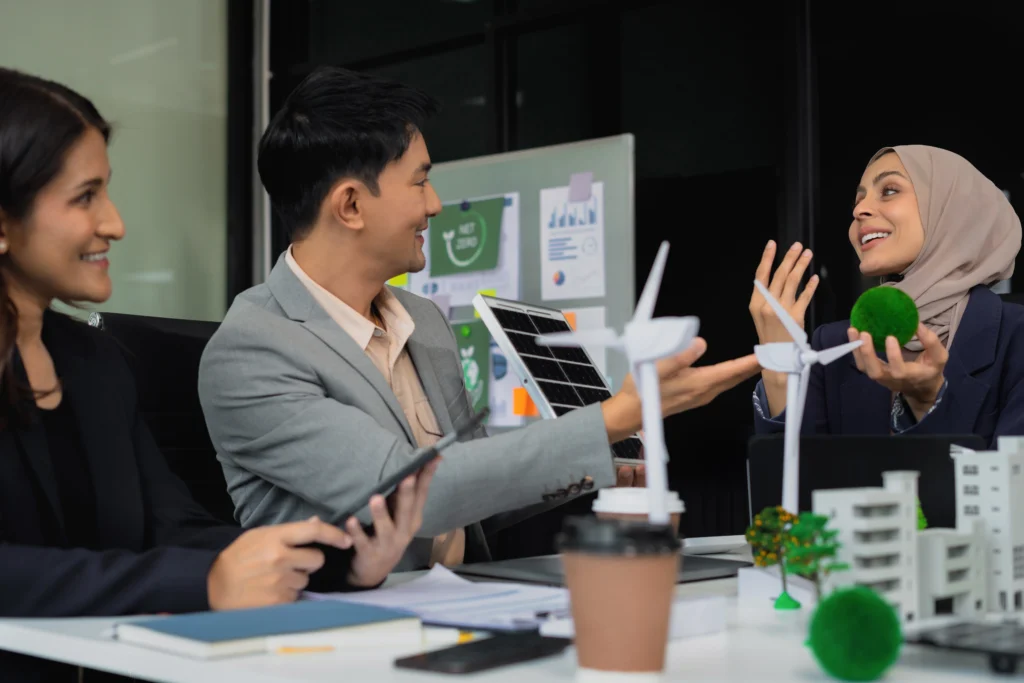


new economy
Industry TrendsWork & Industry

How Indonesian Companies Are Adapting to a New Economy

URL copied
Share URL copied

Indonesia’s business landscape is changing fast. What worked a few years ago may not work today.

From small shops to growing brands, companies are adjusting to new ways of selling, reaching customers, and running their operations. The shift is not only about technology. It is also about how people shop, pay, and make decisions.

A Different Kind of Market Today

The “new economy” in Indonesia is shaped by digital habits.

More people are shopping online, using mobile apps, and expecting faster service. Platforms like Shopee, Tokopedia, and Grab have become part of daily life.

For businesses, this means one thing. They can no longer rely on just one way of selling. The market is more connected, but also more competitive.

How Businesses Are Changing Their Approach

new economy

Many companies are now combining online and offline strategies.

A small retailer may still run a physical shop, but also sell through marketplaces and social media. Some even take orders through WhatsApp or live streaming.

This mix allows businesses to stay visible in more places. It also helps them reach customers who prefer different ways of shopping.

At the same time, companies are focusing more on value. Price is still important, but customers also care about speed, convenience, and trust. Businesses that can deliver a smoother experience often stand out more.

Real Changes Across Key Industries

The shift can be seen across different sectors.

In retail, more sellers are moving into e-commerce platforms while keeping their physical stores. This helps them reach customers beyond their local area.

In food and beverage, many businesses now rely on delivery platforms. Some have even created cloud kitchens to focus only on online orders.

Logistics is also growing. As more people shop online, delivery services are becoming faster and more organised to keep up with demand.

These changes show how different industries are connected in this new economy.

Challenges Along the Way

Adapting is not always easy.

Competition is higher, especially online. Businesses also need to learn new tools, manage digital platforms, and handle customer expectations.

There are also added costs, such as platform fees and advertising. For smaller businesses, this can be a challenge.

Still, many continue to adapt because the opportunity is there. The digital market in Indonesia is still growing.

What This Means for Growth

new economy

This shift is creating new opportunities.

More small businesses are entering the digital space. They can now reach customers across cities, not just within their local area.

It also supports job creation, especially in logistics, digital marketing, and online services.

As more companies adapt, Indonesia’s economy becomes more connected and flexible.

Looking Ahead

The way businesses operate in Indonesia will continue to change.

Companies that stay flexible and open to new ideas are more likely to grow. Those that rely only on old methods may find it harder to compete.

The new economy is not a fixed model. It keeps evolving, shaped by technology and consumer behaviour.

Discover More Insights

If you are exploring how Indonesia businesses are adapting in different markets, understanding these changes can help you see new opportunities and trends.

Visit RiseAsia for more insights on business, growth opportunities, and real stories across Asia.

FAQs

1. What is the new economy in Indonesia?

It refers to a shift towards digital platforms, mobile commerce, and changing consumer habits.

They are combining online and offline sales, using digital tools, and improving customer experience

It helps businesses stay competitive and supports overall economic growth in Indonesia.