
physical fitness
Industry TrendsWork & Industry

Indonesia’s Physical Fitness Industry Sees Rapid Growth

URL copied
Share URL copied

A decade ago, joining a premium gym in Jakarta was still considered a luxury. Most Indonesians associated fitness studios with expatriates or a small group of wealthy professionals.

That perception has shifted quickly. Walk through neighbourhoods such as Kemang or Sudirman today and the change is easy to notice.

Boutique fitness studios now sit beside cafés and co-working spaces. Similar scenes are emerging in Surabaya and Bali.

The country’s physical fitness culture is no longer confined to a niche audience. It is gradually becoming part of Indonesia’s broader urban lifestyle economy.

Several forces are shaping this transition. Indonesia’s expanding middle class now has more room in household budgets for lifestyle spending. Younger consumers are also heavily influenced by global wellness culture. The pandemic added another layer, pushing many people to rethink long-term health habits.

Together, these changes are helping the gym market Indonesia expand faster than many analysts expected only a few years ago. Early morning spin classes fill up before work hours. In the evening, running groups gather along city sidewalks and public parks.

The Gym Market Is Expanding Across Indonesian Cities

Traditional gyms once dominated the industry.

Most offered similar setups: rows of treadmills, weight machines, and a straightforward membership plan. That model still exists today, but the market has started to diversify.

Budget gym chains have spread quickly across Indonesian cities, bringing membership prices down to a point where joining a gym finally makes sense for middle-income consumers. At the same time, the premium end of the market is moving in its own direction entirely.

Industry observers note that new gym openings in Jakarta and surrounding cities have increased steadily over the past five years, particularly among boutique studio concepts.

Boutique Fitness Studios Are Changing the Experience

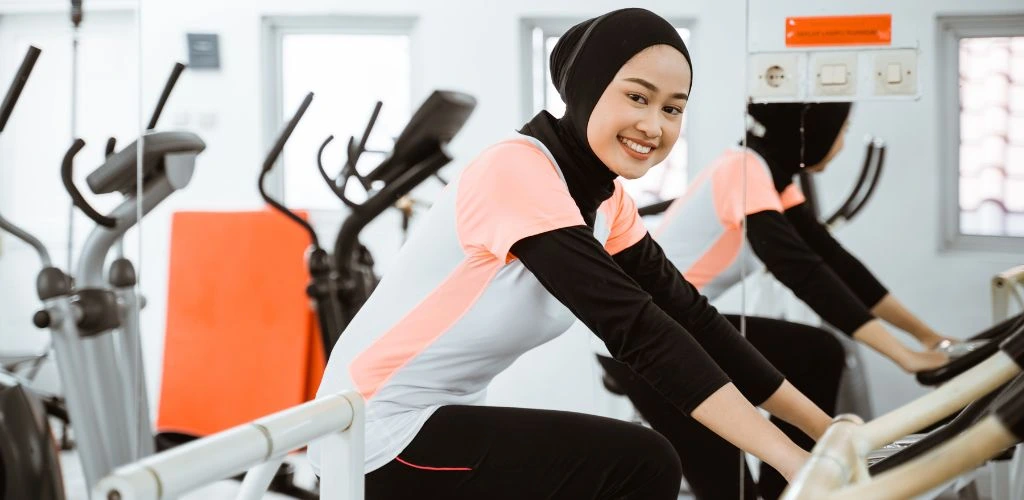
Across Jakarta and Bali, fitness studios Indonesia now include a wide range of specialized facilities. Indoor cycling studios, reformer Pilates centres, functional training gyms, and yoga-focused wellness spaces have all appeared in recent years.

These studios charge significantly more per class than traditional gyms. Despite the higher prices, many classes fill quickly.

Experience is part of the appeal. Boutique studios often focus on atmosphere, design, and community building.

For many urban professionals in their twenties and thirties, fitness is no longer simply about health maintenance. It has become part of a broader lifestyle identity.

Physical Fitness Is Becoming Part of Indonesia’s Wellness Economy

Gym memberships are just the starting point.

Fitness Spending Is Expanding Beyond Gym Memberships

Once Indonesians commit to fitness, spending tends to spread — protein supplements, recovery sessions, smartwatches, premium activewear.

The wellness economy grows because fitness pulls people into an entire lifestyle orbit around health and personal wellbeing, not just one monthly direct debit.

Brands Are Responding to Indonesia’s Wellness Demand

Global sportswear labels and wellness companies have clearly done the math.

A young, increasingly affluent fitness market with deep community roots is not a niche — it is a long-term commercial opportunity.

International retailers are expanding their Indonesian footprint, and homegrown activewear brands are carving out loyal followings among younger consumers who want something that feels closer to home.

running communities

Running Communities Are Fueling Grassroots Fitness Culture

Commercial gyms tell only part of the story.

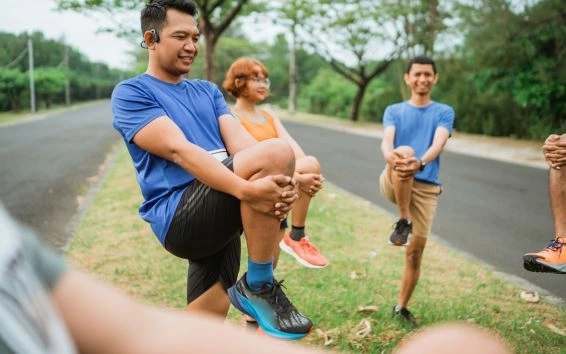
Across Indonesia’s major cities, running communities have become a powerful cultural force behind the rise of physical fitness.

What started as small WhatsApp groups organizing weekend jogs has quietly become one of the more compelling stories in Indonesian urban culture. Some clubs now have hundreds of members, weekly training schedules, and social media followings that brands actively court.

The Jakarta Marathon draws thousands every year, trail races are spreading across the archipelago, and every major event brings a noticeable economic pulse to the cities that host them — full hotels, busy cafés, sports retailers doing brisk business.

For sportswear companies, Indonesian running communities are exactly the kind of consumer they want: passionate, knowledgeable, and genuinely happy to spend on the right gear.

Digital Fitness Is Expanding Access to Exercise

The rise of physical fitness in Indonesia also has a digital dimension.

When gyms closed during the pandemic, many Indonesians moved their workouts online. Fitness apps, YouTube training channels, and virtual workout classes quickly gained popularity.

Much of that behaviour has continued even as gyms reopened.

Indonesian fitness creators now attract large audiences on TikTok, Instagram, and YouTube. Their content often includes nutrition advice, recovery tips, and lifestyle guidance alongside exercise demonstrations.

Digital platforms also make fitness more accessible outside major cities.

In areas where boutique studios remain limited, online programmes often become the first introduction to structured exercise.

Modern fitness studios increasingly run on digital infrastructure — booking apps, progress trackers, in-house online communities. The line between a physical gym experience and a digital one is fading, and the studios embracing that shift are the ones setting the pace.

What Is Driving Indonesia’s Fitness Boom?

Several structural factors explain the industry’s momentum.

A Young Population Is Driving Demand

With a population centred around age 30 and a middle class that keeps expanding, Indonesia hands the fitness industry something most markets would envy.

Indonesia has millions of young adults entering their peak earning years right as health becomes a personal priority.

Urban Lifestyles Are Shaping Fitness Culture

Urbanisation also plays a major role.

Large metropolitan areas concentrate higher-income consumers and provide easier access to gyms, studios, and sports facilities. Fitness services are therefore growing fastest in major cities.

Social Media Is Accelerating Wellness Trends

Social media has done more than spread trends.

It has rewired how Indonesians think about their bodies, their habits, and what a healthy life actually looks like. Fitness is now identity, not just exercise.

The gap between who can access that and who cannot — high membership costs, scarce qualified trainers outside major cities — is real, but it has not slowed the industry’s momentum.

Impact: A Growing Industry in Indonesia’s Urban Economy

The physical fitness boom is quietly reshaping the urban economy.

Trainers, instructors, sportswear retailers, supplement brands, and equipment suppliers are all riding the wave — and city developers have taken note, with fitness studios now anchoring lifestyle districts alongside cafés and co-working spaces.

In many ways, physical fitness is becoming another layer of Indonesia’s modern city economy.

Conclusion

Indonesia’s fitness culture is evolving rapidly.

What once appeared to be an elite activity is gradually becoming part of everyday urban life. The same change is happening in gyms, small studios, running groups, and online platforms.

The physical fitness movement now sits within a wider transformation in how Indonesians think about health and lifestyle.

Growth will not be perfectly even. Cost barriers and regional gaps remain real challenges. Not every studio will survive. But the overall momentum is difficult to ignore.

The path forward may not be perfectly smooth. Still, the direction is becoming easier to see. As Indonesia’s cities expand and consumer habits change, physical fitness is likely to remain an important pillar of the country’s emerging wellness economy.

FAQ

What is driving the growth of Indonesia’s physical fitness industry?

Younger Indonesians increasingly treat fitness as a lifestyle, not a chore. Rising incomes and social media exposure to global wellness trends have made gyms, boutique studios, and running clubs a normal part of urban life.

Running is easy to do and open to everyone, which makes it easy for anyone to participate. Many groups started informally through friends or social media. Over time, these communities grew into regular clubs that organize runs, events, and races.

Yes. For a lot of Indonesians living outside Jakarta or Surabaya, a YouTube workout or a TikTok trainer is how their fitness journey actually started — not a gym.

Share URL copied
Related Articles

Changan Lumin Electric Car Launches in Indonesia Market

During the Gaikindo Jakarta Auto Week, Changan formally unveiled the Lumin electric...

Digital Hubs: Powering Business Expansion in Vietnam 2026

The technological shift wave is transforming the provinces surrounding Hanoi and Ho...

Scaling for Success through Strategic IT Department Expansion

In the burgeoning digital world of Vietnam this March 2026, having a...

Runners in Malaysia can now get the adidas Hyperboost Edge

The Hyperboost Edge is a new running shoe from adidas that is...