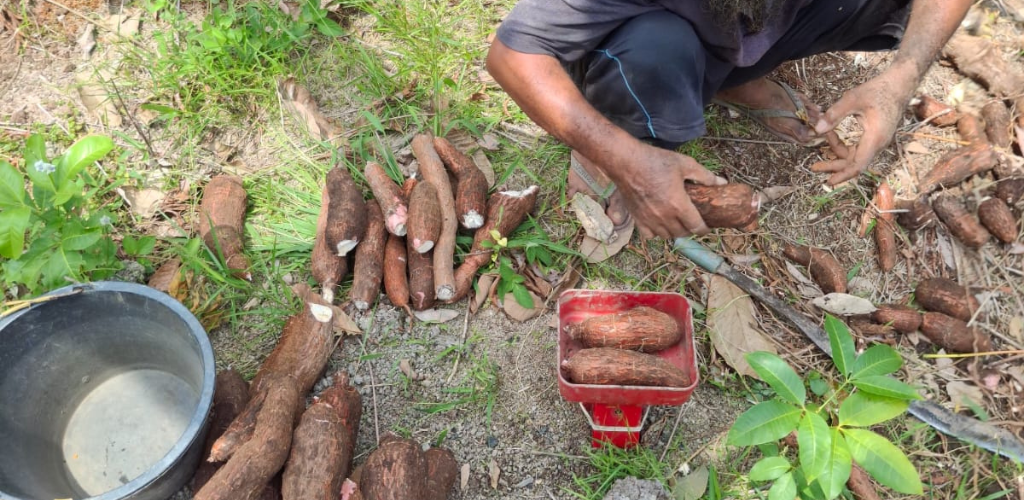
Cassava has long been a familiar crop across Southeast Asia, often associated with traditional recipes or remembered as a staple during difficult times. Today, however, the humble root is finding new purpose as consumers become more conscious about healthier eating and sustainable food production.
In Indonesia’s Siak Regency, one small family business is demonstrating how cassava can become more than a food ingredient. Through innovation, community partnerships and a commitment to reducing waste, Telarasa is transforming locally grown cassava into healthier products while creating new economic opportunities for farmers and fishers.
The story reflects a wider trend across Asia, where demand for gluten-free products, lower-sugar alternatives and locally sourced ingredients continues to grow.
Telarasa was founded by Wibowo Nugroho, who initially searched for healthier food options after his child developed sensitivities to gluten and sugar.
Finding suitable products was not always easy, prompting him to explore alternative ingredients available within his own community. During that journey, he noticed another challenge. Many local residents were growing cassava without pesticides, yet much of the harvest remained unused because farmers had no reliable buyers.
Rather than viewing these as separate problems, Wibowo saw an opportunity to connect family health with community livelihoods.
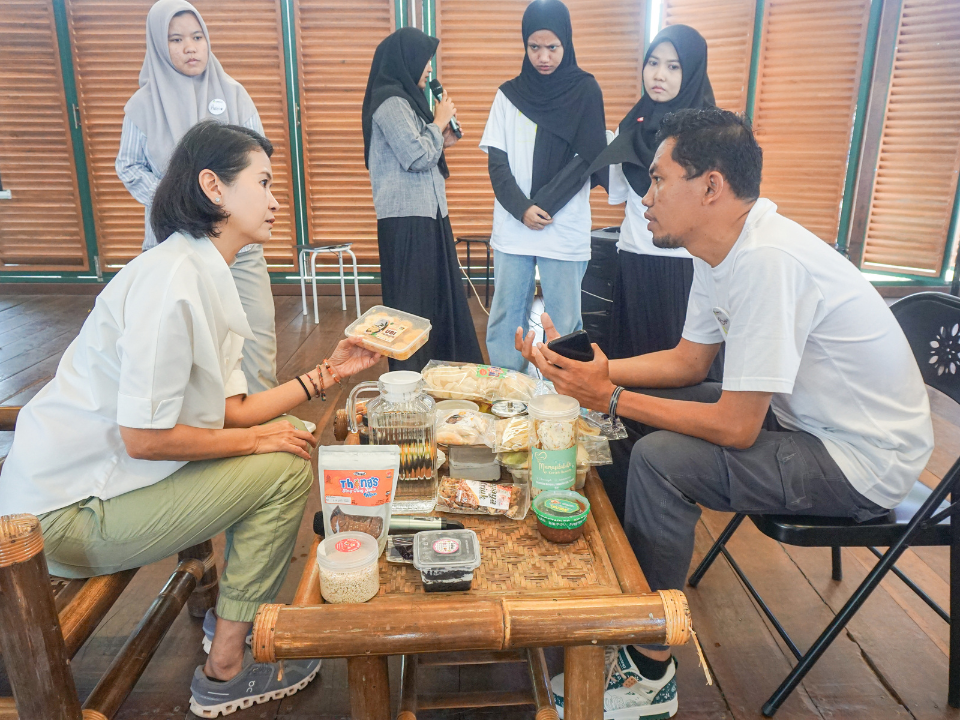
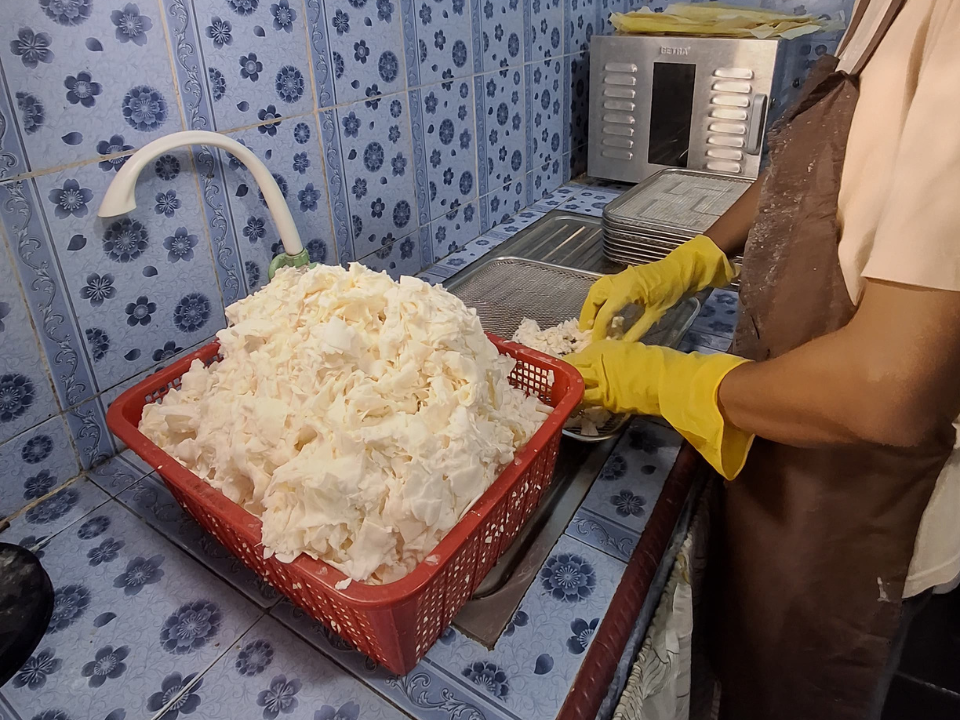
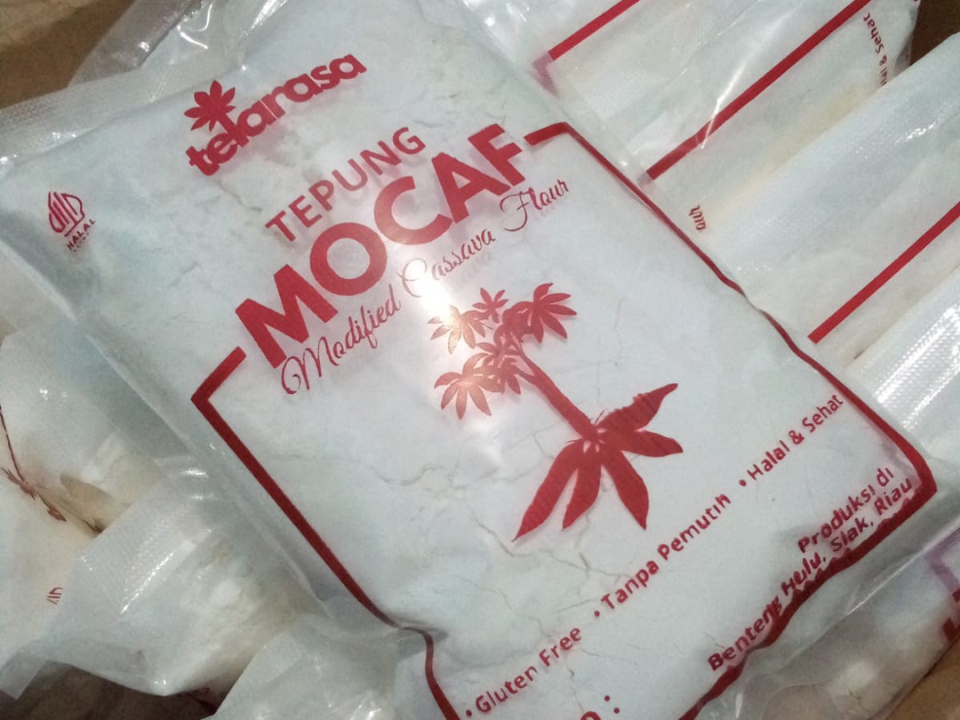
What started as small-scale kitchen experiments eventually evolved into a growing business producing Modified Cassava Flour (MOCAF), cassava nuggets, low-sugar cookies and other healthier food products.
Cassava, known locally in Malaysia as ubi kayu, has been part of regional food culture for generations.
Today, nutrition experts and food manufacturers are revisiting the crop because of its naturally gluten-free properties and its potential as a source of resistant starch and prebiotics. As more consumers manage gluten intolerance, diabetes or sugar intake, cassava-based ingredients are becoming increasingly relevant.
This shift comes at a time when public health challenges are growing across the region. In Malaysia alone, the National Health and Morbidity Survey 2023 reported that 15.6% of adults are living with diabetes, while 54.4% are overweight or obese. These figures have encouraged greater interest in healthier everyday food choices.
At the same time, Malaysia’s growing Modified Cassava Flour market reflects increasing demand from local food manufacturers and SMEs exploring alternative ingredients that support both nutrition and food security.

Telarasa’s approach extends beyond food production.
After joining the Siak Sustainable Business Incubation (KUBISA) programme, the company strengthened its production processes while adopting a more comprehensive zero-waste model.
Cassava peels and cores are converted into compost, young leaves become vegetables, older leaves are used as livestock feed, while leftover flour residue supports poultry farming. Even locally underutilised lomek fish has found new value through innovative food products that benefit nearby fishing communities.
By making use of materials that would otherwise be discarded, the business demonstrates how sustainability and profitability can work together.
The impact extends well beyond one family business.
Today, Telarasa purchases around 200 to 250 kilograms of cassava each month, providing local growers with a more stable market for their harvests while creating additional demand for local fishers and small food producers.
Business incubation has also helped connect Telarasa with local bakeries and healthy food communities, allowing its cassava flour to be incorporated into traditional products such as Bolu Komojo, one of Siak’s signature cakes.
Although still operating on a modest scale, the enterprise illustrates how community-focused innovation can strengthen rural economies without sacrificing environmental responsibility.
Across Asia, food innovation is increasingly driven by local solutions rather than imported alternatives.
Businesses like Telarasa show that traditional crops can be adapted to meet modern consumer needs while supporting farmers, improving food resilience and reducing agricultural waste.
As consumers continue seeking healthier diets and governments place greater emphasis on food security, crops such as cassava may play a larger role in building more sustainable and resilient food systems throughout the region.
Sometimes, the next food innovation is not something entirely new. It is rediscovering the value of ingredients that have been part of local communities all along.
Asia’s future depends not only on major industries and technological breakthroughs but also on the entrepreneurs who solve everyday challenges within their own communities. From sustainable agriculture to healthier food systems, small businesses are creating practical solutions that improve livelihoods while protecting local resources.
At RiseAsia, we tell the stories behind these innovations and the people driving positive change across the region. Discover more stories about entrepreneurship, sustainability and community development at RiseAsia.
MOCAF is a fermented cassava flour that serves as a gluten-free alternative to wheat flour and is increasingly used in baking and food manufacturing.
Cassava is naturally gluten-free and contains resistant starch, making it an attractive ingredient for consumers seeking healthier food alternatives or managing dietary restrictions.
The business purchases cassava directly from local growers, creates demand for local fishers, reduces agricultural waste through circular production practices and develops healthier food products using locally sourced ingredients.