Singapore’s transition to electric vehicles (EVs) is gaining momentum, but not every residential community is equally prepared for the shift.
While new developments are increasingly designed with EV charging infrastructure in mind, many older private condominiums face significant challenges in supporting the country’s growing number of electric vehicles.
As public charging networks continue to expand through major industry players, experts say another opportunity is emerging which is the retrofitting legacy residential estates that were never built for today’s electrical demands.
Singapore has seen rapid growth in electric vehicle adoption over the past few years.
According to recent industry data, EVs accounted for 57.6% of all new car registrations during the first quarter of 2026, reflecting growing consumer confidence and stronger national efforts to support cleaner mobility.
At the same time, the country’s charging infrastructure continues to expand. The recent acquisition of ChargEco by SP Mobility further strengthens one of Singapore’s largest public charging networks, bringing together more than 2,600 charging points across the island.
While this improves access to public charging, it also highlights another challenge that receives less attention which is the readiness of older residential buildings.

Many of Singapore’s mature private condominiums were built decades before electric vehicles became part of everyday life.
ERA Singapore estimates that approximately 31% of the country’s private condominium developments are now more than 30 years old. These buildings were designed around significantly lower electricity demand and often lack the spare electrical capacity needed to support multiple EV chargers.
Traditionally, increasing electrical capacity requires upgrading an estate’s power infrastructure, including substations supplied by utility providers. Such projects can be costly, time-consuming and place considerable financial pressure on condominium management corporations through their sinking funds.
Rather than relying on expensive infrastructure upgrades, technology is creating new options for older developments.
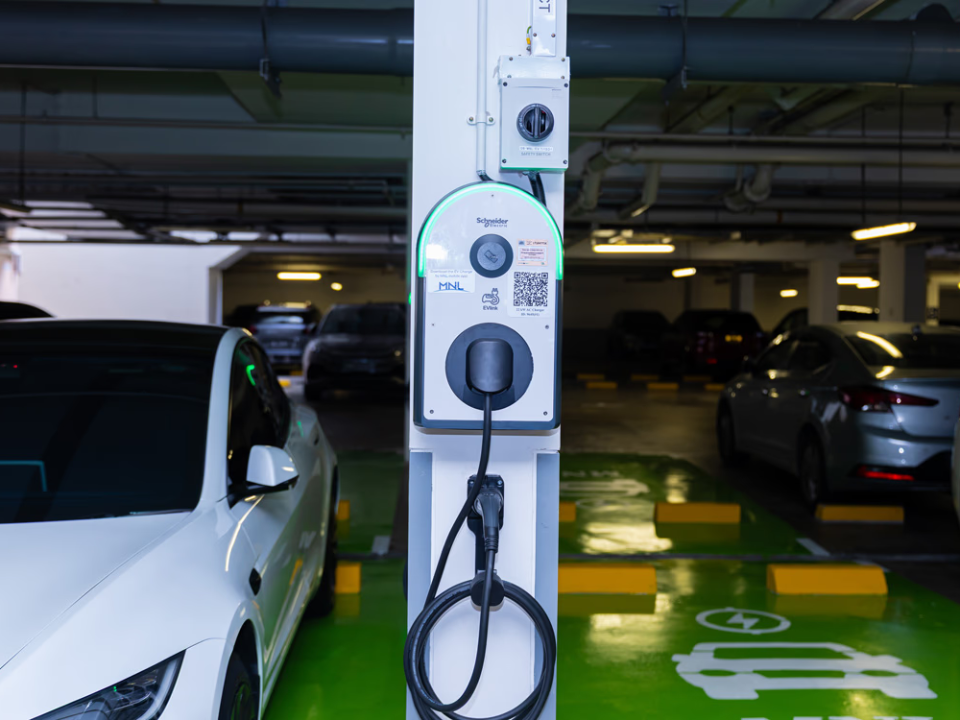
Singapore-based MNL Solutions, through its partnership with Schneider Electric, has introduced smart load management systems that optimise how electricity is distributed across EV charging stations.
Instead of allowing every charger to draw maximum power simultaneously, the system dynamically balances electricity usage according to the building’s existing approved electrical capacity. This enables multiple vehicles to charge safely without overloading the property’s electrical infrastructure.
By making better use of existing power resources, older condominiums can begin supporting EV charging without immediately investing in major electrical upgrades.
Installing EV chargers in established residential estates involves more than technical planning.
Condominium management committees must also navigate governance requirements, financial considerations and resident approval processes before new infrastructure can be introduced.
Recent updates to Singapore’s Building Maintenance and Strata Management Act (BMSMA) have lowered voting thresholds for certain improvement projects, creating new opportunities for residents who support EV adoption to modernise their estates.
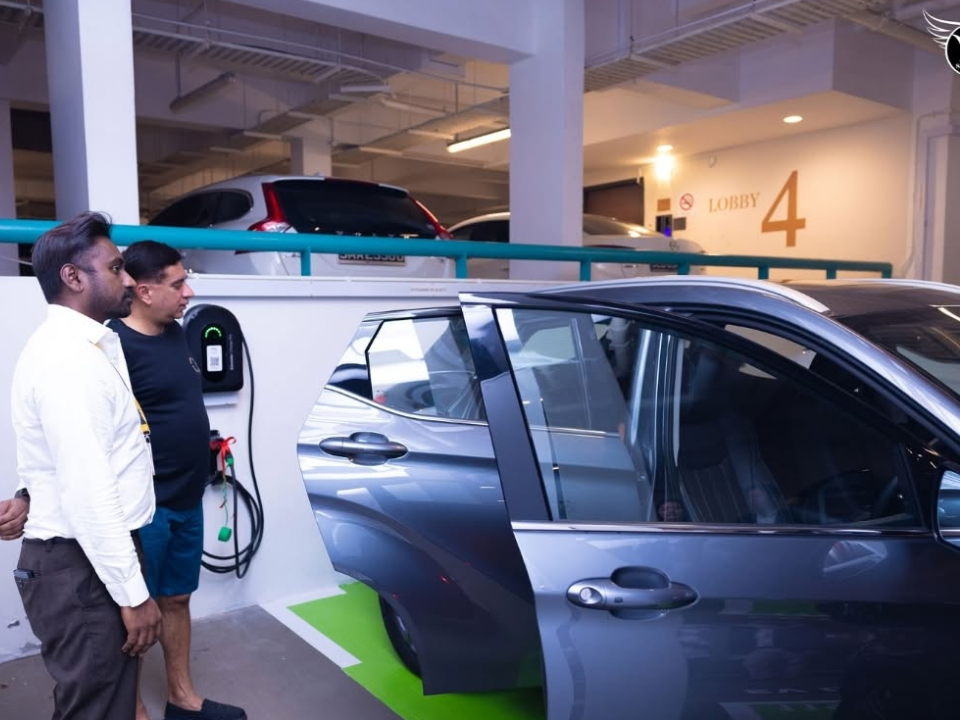
According to MNL Solutions, helping management committees understand the technology and long-term benefits has become an important part of successful EV infrastructure projects.
As electric vehicle ownership continues to rise, ensuring charging access across both new and existing neighbourhoods will become increasingly important.
While public charging stations remain essential, residential charging offers greater convenience for many drivers. Addressing infrastructure limitations in older housing developments will therefore play a key role in supporting Singapore’s broader electrification goals.
Innovations such as smart energy management demonstrate that expanding EV infrastructure does not always require extensive rebuilding. In many cases, improving how existing electrical capacity is managed can deliver practical and cost-effective solutions.
The evolution of EV charging reflects a broader trend in smart city development, where digital technologies are helping cities maximise existing infrastructure rather than replacing it entirely.
As Singapore continues investing in sustainable transport, collaborations between technology providers, property managers and policymakers are expected to become increasingly important in ensuring every community can participate in the transition to cleaner mobility.
For companies like MNL Solutions, the focus extends beyond installing charging stations to helping older residential communities prepare for the future while preserving long-term property value.
To learn more about MNL Solutions’ EV charging technologies and smart load management solutions, visit https://mnlasia.com/.
Across Asia, cities are investing in smarter infrastructure to support cleaner transport, sustainable urban development and future-ready communities. RiseAsia brings you stories on innovation, mobility and technologies that are transforming how people live, work and move across the region.
Explore more stories on infrastructure, sustainability and innovation at www.riseasia.com.
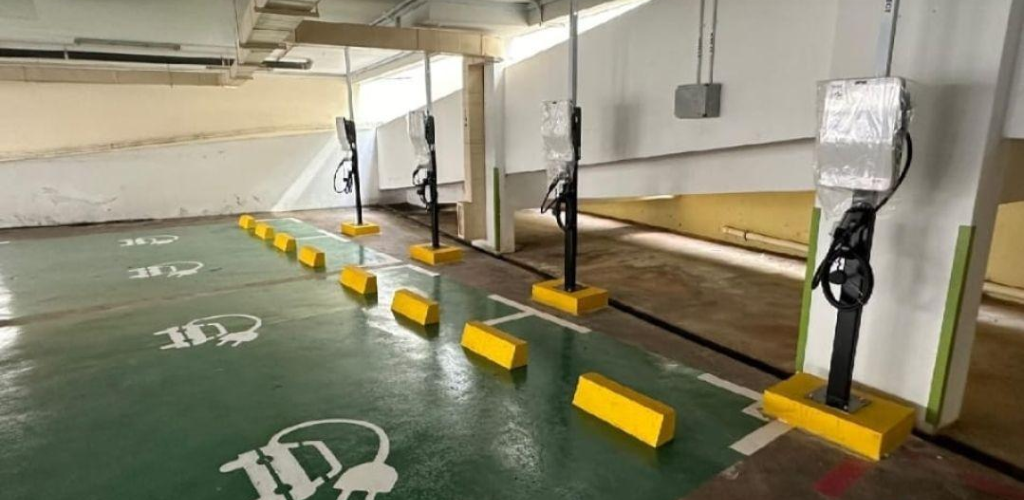
Many older residential developments were built before electric vehicles became common and often lack sufficient electrical capacity to support multiple charging stations.
Smart load management distributes available electricity dynamically among charging stations, allowing buildings to support EV charging without exceeding their approved electrical capacity.
As electric vehicle adoption grows, access to convenient charging is becoming an increasingly important consideration for homeowners, residents and prospective property buyers.