
community-based tourism Philippines
Source: Eastern Visayas Region courtesy of the Department of Tourism
City & CultureLiving Asia

Community-Based Tourism Is Supporting Rural Economies in the Philippines

URL copied
Share URL copied

When people think of tourism in the Philippines, they usually think of prominent places.

The white sand beaches of Boracay.

The limestone cliffs on Palawan.

Surfing at Siargao.

These places are all over vacation brochures and social media. The tourism business there is supported by big resorts and flights to other countries.

But something calmer has been going on outside of these well-known places.

Communities are starting to plan their own tourism in smaller towns and distant villages. Residents are inviting visitors instead than waiting for huge investors or hotel chains to do so.

In the Philippines, this kind of tourism is called “community-based tourism,” and for many rural regions, it is slowly becoming a good way to make money.

Community-Run Tourism

The idea behind tourism that is grounded in the community is simple.

People who live there run the tourism operations. Visitors can stay in family-run guesthouses, go on walking tours led by locals, or take part in cultural activities put on by community groups.

Most of the time, the experience is basic, and that’s the idea. Travelers get to see what life is like in rural communities up close. They could assist make traditional foods, learn about how people farm in the area, or go on guided tours of natural landscapes with people who grew up there.

It’s apparent that this is good for communities. The village keeps most of its money instead of sending it to firms outside the village.

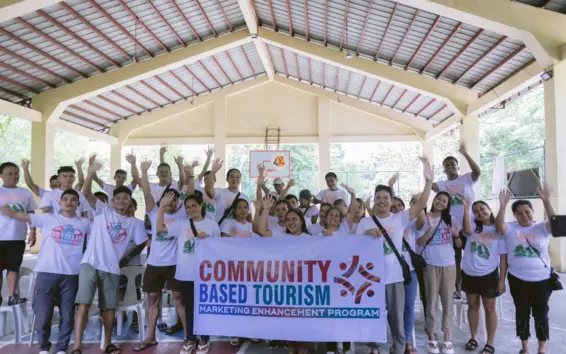
CBT participants showcase the community-focused aspect of the program as they join the locals for a picture.

Why rural areas are looking into tourism

Farming or fishing is the main source of income for many rural areas. These ways of making a living can be unpredictable.

The weather has an effect on harvests. The number of fish changes. Prices on the market go up and down.

Another way to make money is through tourism.

With the correct help, rural tourist growth in the Philippines may provide jobs without taking away traditional ways of making a living. Farmers could give tours of their farms while still doing their normal labor. Fishermen could lead boat tours or snorkeling adventures. Families don’t rely on just one source of income; they do a variety of minor jobs to make money.

One reason communities are growing increasingly interested in tourism is that it is flexible.

Keeping the local culture safe

One further good thing about community-led tourism is that it connects people to their cultural heritage.

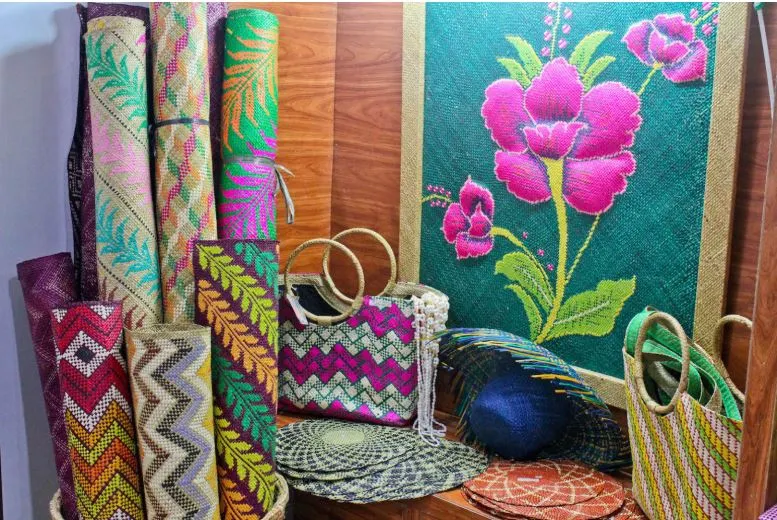
Visitors are shown long-standing traditions in some places, such weaving techniques, local cooking ways, or farming activities that have been passed down through the years.

For example, some villages in the Cordillera region set up guided tours of the rice terraces. These trips teach people about how irrigation systems work and why the terraces are still an important part of the local culture. Visitors can also see traditional dances, learn about native crafts, or take part in community festivities.

Tourism is a chance to share culture instead of taking it away.

Nature as a Tourist Attraction

Nature is at the heart of many community-based tourism ventures.

People are drawn to nature through their ability to experience forests and rivers and coral reefs and mountain routes. Communities create eco-tours which display their beautiful locations while encouraging visitors to practice sustainable travel.

Tourist destinations sometimes receive restrictions from local organizations. Most places establish guidelines which control waste disposal and tourism numbers while designating certain regions for environmental protection.

The tourism strategy includes ecosystem protection because the local population depends on these vital natural resources.

The Philippines Green tourism program operates together with community development initiatives.

Tourism Helps Small Businesses Grow

Tourism doesn’t usually help just one family.

When people come to town, a lot of little companies tend to open up around the action.

People who run boats provide transportation. People in the area cook meals. Artisans sell crafts that they make by hand. Families run modest guesthouses or homestays.

These services work together to create networks of tourism businesses in the Philippines.

One community tourism initiative can help a lot of households at the same time. In rural settlements, even a small number of visitors can have a big impact on the economy.

There are still problems.

Community-based tourism has a lot of potential, but it’s not always easy to make it happen.

A lot of towns have trouble with marketing. It can be hard to get tourists if you don’t have a strong web presence or work with travel companies.

Infrastructure is another problem. Some places have roads that aren’t always open, electricity that isn’t always on, or internet connections that aren’t always reliable. These problems can make tourists not want to come.

Learning is also very important. It may not always be possible to find people with the abilities needed for hospitality, financial management, and visitor safety.

The maintenance of service quality in communities depends on external assistance because they lack internal support systems.

Help from the government and partners

The local governments and tourist organizations work together to assist communities in developing their tourist programs.

The training seminars teach residents how to manage their bookings and promote their attractions while staying compliant with environmental rules.

The small subsidies provide funding support for both marketing initiatives and infrastructure development.

The collaboration with universities and NGOs and development organizations serves as a necessary collaborative effort. The organizations possess extensive knowledge about tourism management and environmental protection and cultural preservation.

Tourism communities develop greater confidence and improved organizational abilities through the successful functioning of these partnerships.

Bringing More Tourists to Places Other Than Major Cities

Tourism that is centered in the community also helps spread out tourism activity more equally.

There are thousands of islands and many natural attractions in the Philippines. Still, tourism is mostly limited to a few places.

Encouraging people to visit smaller towns and cities takes some of the burden off of popular tourist spots and opens up new business opportunities.

For passengers, these experiences can feel more private and less crowded.

They give towns a way to be part of the tourism sector without having to build big resorts.

A Different Way for Tourism to Grow

Tourism in the Philippines is projected to keep growing.

But not every place requires big hotels or businesses to do well.

Community-based tourism is a smaller-scale option. It puts a lot of importance on getting people involved, keeping culture alive, and taking care of the environment.

It may take longer to grow, but it generally feels more stable.

Tourism is not taking the place of traditional jobs in many villages across the country; it is just adding another layer of possibility.

In conclusion

Community-based tourism in the Philippines demonstrates an alternative model for tourism.

The large projects which businesses undertake should not replace the visitor experiences which local communities create. The programs generate revenue while they help people connect with their cultural heritage and they motivate individuals to protect natural environments.

The rural communities rely on that particular balance for their development needs. The tourism industry begins with a single village tour or homestay experience but its impact continues to exist after the visitor departs. The most important changes in life begin with small beginnings. 

1. What is community-based tourism?

Community-based tourism allows local residents to manage tourism activities and directly benefit from visitor spending.

It provides additional income opportunities, supports small businesses, and helps diversify local economies.

 Because communities manage tourism themselves, they often prioritize protecting their environment and preserving cultural traditions.

Share URL copied
Related Articles

IKEA Home Decor Malaysia Launches Fun GREJSIMOJS Collection

People often design their homes to be comfortable and useful. But sometimes...

Shopee Starts Raya Promotion Malaysia Payung Lagi

During Ramadan and Raya, families get together, eat together, and reconnect with...

MindNexis Mental Health Hub Opens New Wellness Space

Living in the city can be hard. Mental health is often put...

Bangkok Food Innovation Elevates Thai Cuisine

Chefs in Bangkok are mixing old Thai recipes with innovative cooking methods,...