
Furniture from the Philippines has gone a long way.
If you go to a boutique hotel in Dubai, a beach home in Europe, or a restaurant in some regions of the US, there’s a high possibility that some of the furniture inside was made by Filipino craftsmen.
Over the years, the country’s furniture business has quietly earned a good name for itself. It might not be as big as mass industrial centers in other parts of Asia, but it has something unique to offer: skilled workers, natural materials, and a unique design.
Today, the furniture industry in the Philippines is going through another stage of transition. Small design studios are popping up, traditional manufacturers are changing their methods, and more and more purchasers around the world want furniture that tells a story about how it was manufactured.
The industry is in a lot of ways at the crossroads between making things and being creative.
Long before Philippine furniture showed up in export catalogs, many communities were already manufacturing furniture as part of their daily lives.
People who worked with wood learned how to make chairs, cabinets, and tables from their parents and grandparents. People used a lot of natural materials, such rattan and bamboo, especially in rural and coastal locations.
Many Filipino manufacturers still follow these traditions in their work today.
Even while big machines are utilized at several points in the production process, a lot of it is still done by hand. Rattan weaving, finishing work, and decorative details sometimes need trained workers instead of machines.
That way of doing things takes time and patience.
But it also makes furniture that feels different from those created in a machine.
Cebu is frequently the first place that comes to mind when people talk about the Philippine furniture industry.
For many years, the province was the major means for the country to send furniture to other countries. There, manufacturers made links with foreign customers and interior designers, especially when the industry was only starting to flourish.
Trade shows were a big part of that growth. Designers and manufacturers showed off pieces manufactured from local resources, often mixing old and new designs and processes.
The success of Cebu’s furniture makers helped put Philippine design on the world map.
Cebu is still an important hub for furniture making, although it is no longer limited to one area. There are now workshops and factories in many sections of the country, and each one helps the industry in its own way.
One big change in the last few years is that there are more and more small furniture stores that focus on design.
A lot of these businesses are more like little studios than big factories. Designers and craftspeople work together closely to make limited collections or one-of-a-kind creations.
Some projects are made just for hotels and restaurants. Some are made for overseas buyers who want unique pieces that are different from the furniture that is sold in stores.
This method provides small and medium-sized furniture makers in the Philippines more freedom to try new things.
They can focus on design and material quality instead of making thousands of the same thing.
That difference counts to shoppers who want something special.
One thing that makes Philippine furniture stand out around the world is that it is made from natural materials.
Many designs still use rattan, bamboo, and different kinds of wood. These materials not only show off the country’s craft history, but they also fit well with the growing interest in eco-friendly products.
People all across the world have become increasingly aware of how their actions affect the environment in the last few years. This trend goes well with furniture created from materials that are responsibly sourced or can be renewed.
Filipino designers typically use this strength to their advantage.
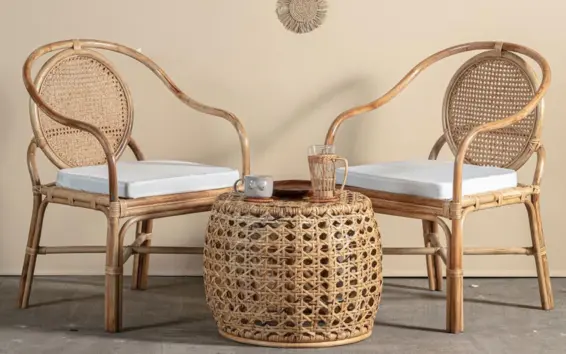
Woven rattan frames or wood mixed with natural textures have become a part of the country’s design style.
Manufacturers can’t only rely on tradition, though.
Markets around the world move swiftly. Customers want the same level of quality and delivery times every time.
To be competitive, a lot of businesses are slowly upgrading how they do things.
Some workshops now have digital design tools, which lets designers see how furniture will look before it is made. Some parts of the production process, including cutting or shaping materials, may use contemporary tools to make sure they are done correctly.
The hard part is finding the right balance between speed and quality.
Over-automating might take away the handmade look that makes Philippine furniture so appealing. Not enough modernization can make production slow and costly.
Finding a medium ground is a component of how the industry is changing.
Competition from mass production
Countries that can make things on a huge scale may make a lot of furniture for less money. These factories are all about making things quickly and using the same ideas.
Philippine producers don’t often compete in that area.
Instead, a lot of them focus on a different part of the market: those who care about quality, unique design, and natural materials.
This method doesn’t necessarily result in a lot of production. But it helps Filipino furniture companies keep their place in the global market.
Making furniture in the Philippines is more than just a job.
It is also a segment of the country’s economy that is creative.
Designers work in close partnership with craftspeople and manufacturers to create their specialized projects. Interior designers work with furniture makers to create customized pieces that match the specific dimensions of particular rooms.
These partnerships help advance the development of new inventions.
Some designers explore design through their use of unconventional shapes. Some people combine elements together in unexpected ways.
The furniture initiatives create new functions for furniture which serves as more than mere seating. Your imagination will become visible to others through your use of this product.
There is still a demand for unique furniture all across the world.
Boutique hotels, restaurants, and interior designers typically look for things that stand apart instead of those that are in standard catalogs.
This kind of market is good for Philippine manufacturers.
Small businesses can meet particular needs because they make furniture by hand, use unique materials, and have flexible manufacturing processes.
Even while the sector may not be able to produce as much as larger manufacturing countries, it is nevertheless relevant since it can make unique ideas.
The future of Filipino furniture production depends on the business’s ability to adapt to its changing situations. Manufacturing companies need to maintain their craft skills while they track current design trends and digital developments and international market changes. Many companies are currently testing different materials and production methods. Some companies conduct research on timber sources which have received certification as environmentally friendly. People who want to increase their international market presence use their money to invest in design branding.
The next chapter in the sector will probably use both old and new abilities.
The Philippines has used craftsmanship as a fundamental element of its furniture manufacturing process.
The industry develops its foundation while addressing emerging challenges through its operational activities which range from its small workshop operations to its export-focused business operations.
Filipino designers and artisans still have something unique to offer, even though global markets are competitive: furniture that shows off their skills.
Philippine furniture makers are adapting to meet changing international demand, competition, and design trends. By improving production methods and embracing new styles, they can stay competitive and reach more global customers.
Many manufacturers are using sustainable materials, adopting modern designs, investing in better technology, and expanding online marketing to attract international buyers and respond to evolving market preferences.
Filipino furniture makers are known for their craftsmanship, creative designs, and use of natural materials like rattan, bamboo, and wood. These qualities help them stand out and maintain strong demand in international markets.
During the Gaikindo Jakarta Auto Week, Changan formally unveiled the Lumin electric...
The technological shift wave is transforming the provinces surrounding Hanoi and Ho...
In the burgeoning digital world of Vietnam this March 2026, having a...
The Hyperboost Edge is a new running shoe from adidas that is...