

International investors in Asia
FDI & TradeGrowth & Capital

International Investors in Asia: Vietnam’s 2026 Carbon & Tech Era

URL copied
Share URL copied

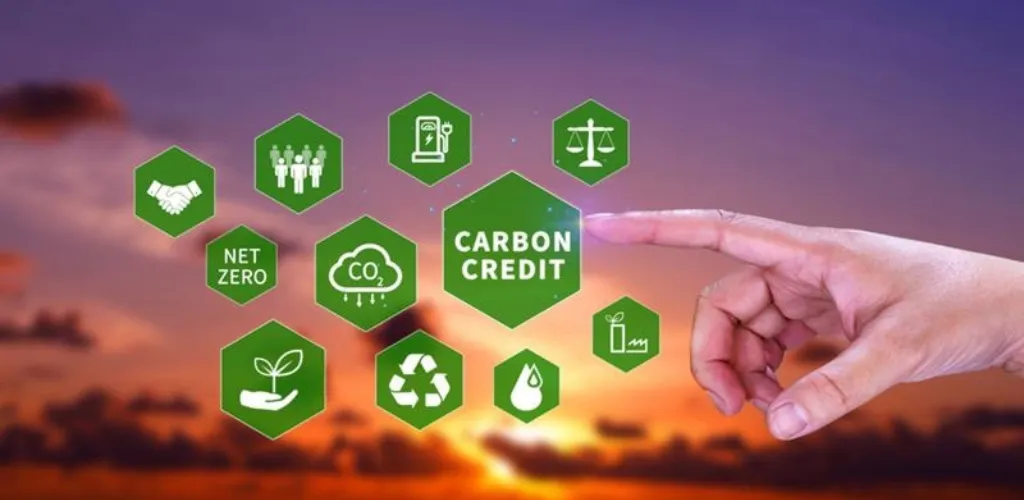
The focus of International investors in Asia has officially turned to Vietnam’s newly operationalized carbon trading market as of March 2026. Under a groundbreaking decree that is 29/2026, Vietnam has operationalized its first-ever centralized carbon exchange at the Hanoi Stock Exchange. As a result, investors are no longer focusing only on manufacturing output. They are now focusing on “green quotas” as a new asset class. This is a major engine driving economic growth in Asia. It is a testament that Vietnam is succeeding at creating a highly valuable financial system out of its net-zero promises.

Scaling Up: The Long Thanh "Aerotropolis" Effect

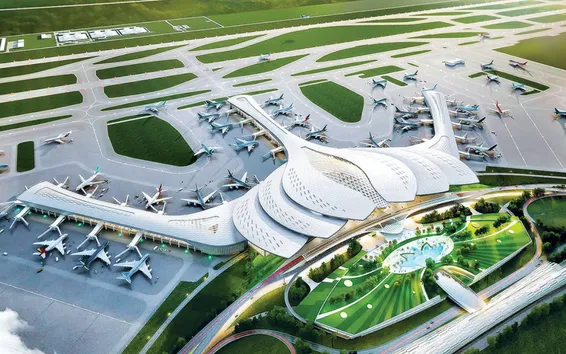
Aside from the carbon market, the physical environment is undergoing a dynamic shift. The Long Thanh International Airport is set to finish Phase 1 of its development later in the year. Moreover, the “Smart Technology Industrial Zones” in the area are attracting a record amount of cross-border investments.

The infrastructure development in the region is not only geared toward the transportation of goods. It is geared toward developing a “Service-Led Industrial” sector. Multinationals are now developing industrial campuses with R&D and worker housing facilities. Hence, the “Location Competition” has reached an all-time high. Provinces with seamless connectivity to the airport and sea ports are enjoying over 90% occupancy rates. These are the new investment trends in Asia: Thanh Hoa and Binh Thuan.

cross border investment
Long Thanh aims to become a global airport city

The Rise of ESG-First Manufacturing

What drives high-sophisticated International investors in Asia to pay a premium price for industrial land in Vietnam? It’s because of compliance.

  • RE100 Standards: Factories in 2026 need to use “Renewable Energy” in order to remain in the global supply chain.
  • Digital Traceability: Every product exported to the EU now requires a “Digital Passport” with the carbon footprint of the product.
  • Human Capital: Investors are now seeking land near major “Tech Universities” in order to fuel their market growth in AI-driven production.

These compliance factors have made “Green Infrastructure” a “Mandatory Component.” Hence, industrial developers are now rushing to build “Rooftop Solar Farms” and “Wastewater Recycling Plants.” This ensures Vietnam becomes a “Trusted Partner” with the world’s most sophisticated brands. As a result, the national economy becomes more immune to international trade fluctuations.

From "Cheap" to "Strategic": The Investor Mindset

The story of 2026: Vietnam is no longer a “Cheap Labor” destination. Labor costs have increased on average, yet productivity has increased as well. Now, companies are making “Long Term Bets” on Vietnam’s human capital and stable policy environment.

Furthermore, with the new “Stock Market Upgrade” of the country’s status from primary to secondary emerging markets, a new form of capital inflows is entering Vietnam. These capital inflows have a new ease of exit and therefore a more dynamic reinvestment profile. Hence, the virtuous cycle of growth is accelerating. Consequently, the “Rise” of Vietnam’s industrial sector is becoming a role model for the rest of the region.

A Sustainable Horizon

The transformation of Vietnam into a high-tech, green industrial hub is a collective effort. This is a result of daring policy initiatives and private sector innovations.

The country is expected to have its first carbon-neutral industrial park in full operation by the end of 2026. In conclusion, the era of industrialization at all costs is over. In its place, a new and highly evolved model has emerged. Through its green transformation, Vietnam has secured its prosperity for the next five decades. As a result, it will continue to be the brightest star in the Asian economic firmament.

Ready to discover the financial and industrial revolutions happening in the region? Visit RiseAsia for the latest updates on the green economy and capital.

FAQs

What is the significance of Decree 29/2026 for foreign investors?

It officially operationalizes the domestic carbon trading market, allowing investors to trade greenhouse gas quotas and carbon credits under strict state supervision.

It is creating a “Long Thanh Aerotropolis,” driving high demand for industrial and logistics land in Dong Nai and surrounding provinces due to its massive cargo capacity.

Global markets, especially the EU, now require strict carbon and origin reporting. Factories must use digital tools to prove compliance to maintain their export licenses.

Share URL copied
Related Articles

How Venture Capital Asia is Betting on Vietnam 2026

The Venture Capital Asia market is seeing a spectacular shift as of...

Cross-border Investment Asia: Vietnam’s 2026 M&A Boom

The evolving landscape of Cross-border investment Asia has witnessed a renewed and...

Capital Investment Indonesia and the Digital Economy Growth

Across Southeast Asia, investors are quietly shifting their attention. And increasingly, that...

High-Speed Green: Latest Investment Trends in Asia 2026

The latest investment trends in Asia have officially shifted their focus to...