
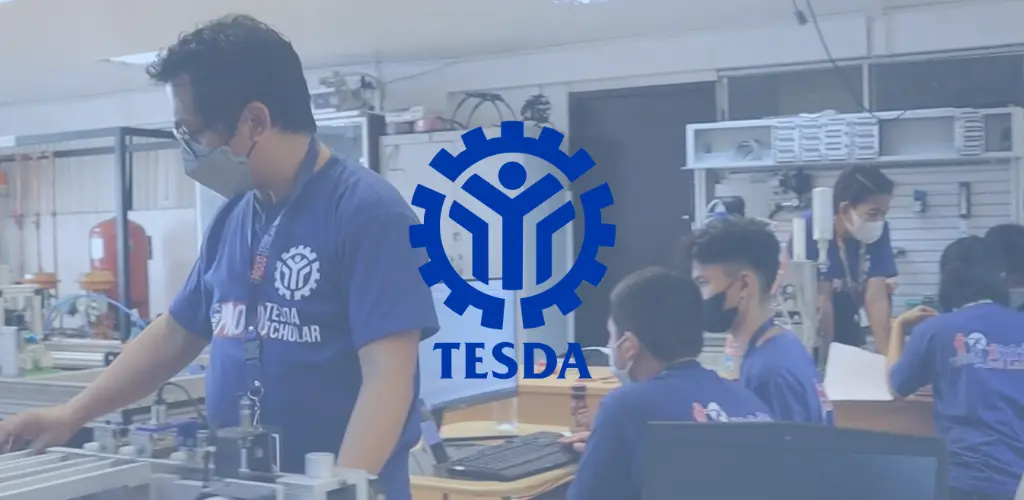

The Philippines has depended on its people for a long time to keep its economy strong. Filipino workers are still the driving force behind the country’s growth, from the competitive outsourcing industry to the growing manufacturing base. Today, TESDA vocational courses are highly important for making sure that students are ready to work and that skills development keeps up with what businesses need.
As competition in ASEAN’s areas rises, it is more necessary than ever to try to improve the capabilities of the workforce in the Philippines. People don’t think of technical vocational education as a different way to go anymore. Instead, it is becoming more and more evident that it provides the foundation for productivity, industrial progress, and prosperity that involves everyone.
Why Technical Vocational Education Matters Right Now
The economy does better when people invest in it and when they have skills. To do all of these things—build new infrastructure, attract back tourists, and modernize industry—people who are certified and want to work are needed.
Technical vocational education programs in the Philippines benefit businesses like:
- Making and fixing up infrastructure
- Putting together electronics and manufacturing
- Tourist and hospitality services
- Help with healthcare services
- Taking care of autos and other kinds of transportation
- Farming and processing food
Vocational training is different from regular school since it focuses on how well you do based on your talents. Students learn skills that are helpful on the workplace, which helps them make the transition from education to employment. This alignment makes workers more productive, which is vital for long-term economic competitiveness.
How TESDA’s vocational courses meet the needs of businesses
One reason TESDA vocational courses are still valuable is that they are based on what businesses want. Instead of working alone, training schools work closely with companies to make sure that their programs meet the needs of the job market. Industry ties in the Philippines are helpful for:
- Change the curriculum to keep up with new tech.
- Let people use current technologies and spaces
- Let people work as apprentices and learn on the job.
- Establish national standards for skills and knowledge
For example, companies that make goods might help make training modules for how to utilize machines or maintain factories running. Many hospitality associations push for certification programs that focus on service quality and international standards.
This strategy makes vocational training perform better by making sure that graduates are ready to start working straight away.
Closing the Skilled Labor Gap
There aren’t enough workers in the Philippines for numerous technical occupations, especially in:
- Skilled crafts in building
- Technicians in business
- Ship services
- Jobs that help with healthcare
- Fixing cars
If there aren’t any institutional ways to improve the skills of workers in the Philippines, these gaps could slow down the economy.
By making TESDA vocational courses more available, the Philippines increases the amount of trained workers that its industries can rely on. This makes things go more smoothly, makes things safer, and improves the level of service.
For instance, the availability of qualified welders and electricians has a direct effect on how long it takes to create infrastructure. Well-trained workers in the hotel business make the country look better as a place to visit.
Apprenticeships and Dual Training Systems
The technical vocational education framework in the Philippines is getting stronger since more and more dual training systems are being used. In this strategy, trainees split their time between the classroom and working with partner companies.
This structure has a lot of good things about it:
- Being in real-life job situations
- Faster getting a job
- Employers don’t have to spend as much time training new employees.
- More schools and businesses working together
This makes it less risky for businesses to hire people. It helps students find work and feel better about what they do.
The rise of apprenticeship programs is part of a bigger movement toward outcome-based education, which says that having a job is a big sign of success.
Supporting Regional and Inclusive Growth
Not just in Metro Manila is workforce growth going on. People can now acquire technical training more easily thanks to regional training facilities in Luzon, Visayas, and Mindanao.
This decentralization is really significant.
When provinces develop local pools of skilled labor that enterprises in the Philippines can employ, the economy spreads out more equally across the country. It is advantageous for new tourist areas, agricultural processing facilities, and smaller communities to have skilled workers close by.
At the regional level, efforts to help workers in the Philippines improve their abilities also help small and medium-sized enterprises grow. Small firms have a hard time finding people that are well-trained. One method to solve this problem is to make vocational education more accessible.
So, better training facilities lead to natural growth that includes everyone.
Certification and Global Employability
One of the best things about TESDA vocational courses is that they provide you a certificate. Graduates must take tests that compare their abilities and knowledge to national standards.
These are the certifications:
- Increase confidence in your employer
- Set standard levels of skill
- Help with raising wages
- Make it easy to find work in other countries
Many Filipino workers hunt for jobs in other countries. Having recognized qualifications makes you more competitive abroad and keeps industry standards high at home.
This two-part plan helps the economy stay stable by sending money home and making local businesses better.
Corporate Investments in Skills Development
In the last few years, the private sector has been a lot more involved. As part of their objectives to help their employees progress, many organizations now offer formal skills training.
Partnerships between companies could include:
- Paying for workers to earn their certification
- Setting up training centers inside the company
- Working with schools that have TESDA approval
- Investing in projects that help people learn new skills and become better leaders
Businesses are starting to understand that the quality of their employees affects how much work they get done. When teams have the correct talents, things operate more smoothly, there are fewer mistakes, and customers are happy.
Companies spend money on training their workers, so vocational training helps people get positions that are more than just entry-level. It also helps people get mid-level technical and supervisory employment.
Challenges to address
Things are getting better, however there are still some flaws with the structure:
- Young individuals don’t know a lot about what jobs are available.
- Cultural bias for degrees from colleges
- Funding constraints for equipment upgrades
- varied places have varied levels of training quality.
We need better career counseling, policies that work together, and more money over time to bridge these gaps.
Changing how people believe is very important. Jobs in technology pay well, provide you chances to climb up, and let you work internationally. Telling success stories can help people learn more about specialized trades.
As a country, we want to improve the skills of our workers.
The readiness of the workforce is what makes an investment attractive in the ASEAN region, which is getting increasingly competitive. Countries with a lot of skilled workers in the Philippines are more likely to get new infrastructure and manufacturing projects.
So, TESDA vocational classes that help people in the Philippines learn new skills are part of a bigger economic plan.
More productive labor lets:
- Getting things done faster
- Better service delivery
- SMEs that are more competitive
- Investors feel better about things
Companies make decisions to grow faster when they know they can find talented workers.
Looking Ahead
The Philippines has a demographic edge because its people are young, active, flexible, and hard-working. Training paths need to be developed and easy to identify in order to make the most of this benefit.
In the years to come, TESDA will need to add more vocational courses, renovate its facilities, and make better relationships with businesses in the Philippines.
Things that are important to do are:
- Making dual training programs bigger
- Making it easy for folks who live far away to get there
- Watching the results of jobs
- Getting businesses to put money into
If these efforts keep going, they can improve the quality of technical vocational education in the Philippines and help the economy stay strong over time.
Why This Matters
The people of the country are still its most important resource.The Philippines enhances its economic competitiveness through two main improvements. The first improvement allows workers to access job training programs more easily while the second improvement strengthens workforce upskilling programs. TESDA vocational courses teach students professional skills while demonstrating the nation commitment to sustainable development and economic growth and social equality. The ongoing progress of industries requires companies to maintain a workforce that possesses both advanced skills and flexible work capabilities.
More insights across Asia are available on RiseAsia.com.
1. What are TESDA vocational courses?
TESDA vocational courses are technical training programs that certify practical skills aligned with industry standards in the Philippines.
2. Which sectors benefit most from technical vocational education Philippines programs?
Construction, manufacturing, hospitality, healthcare support, automotive services, and maritime industries benefit significantly.
3. Why is workforce upskilling important for the Philippine economy?
Workforce upskilling improves productivity, reduces skill gaps, strengthens competitiveness, and supports sustainable economic growth.