

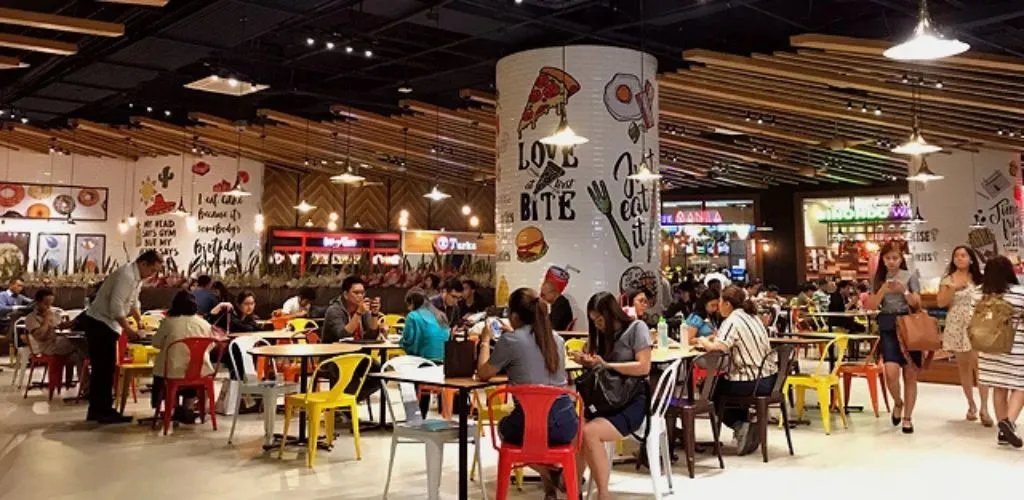

The future for the Philippines' food and beverage business in 2026 is about more than just new restaurants and cafés. It shows how urban consumption, tourism recovery, and the growth of small and medium-sized businesses are changing one of Southeast Asia's most dynamic consumer economies.
As the country enters 2026, the food service industry is becoming a good way to measure how much people want to buy, how confident investors are, and how the economy is growing in cities.
A Recovery Driven by Consumption
The Philippines has had an economy based on consumption for a long time. Household spending makes up more than 70% of GDP (latest official data; numbers need to be confirmed before publication). Eating out is still a big element of how people in cities spend their money.
There are a number of things that are making the food service business grow:
More people walking around malls.
- Tourism is coming back in big cities.
- More middle-class families are moving in
- Strong remittance inflows are helping people buy things.
In 2026, Metro Manila, Cebu, and Davao will still be the main places where restaurants are opening in the Philippines, but smaller cities are also getting attention from both local and regional companies.
Restaurant Expansion Philippines 2026: Where Things Are Growing
The Philippines has had an economy based on consumption for a long time. Household spending makes up more than 70% of GDP (latest official data; numbers need to be confirmed before publication). Eating out is still a big element of how people in cities spend their money.
There are a number of things that are making the food service business grow:
- Tourism is coming back in big cities.
- More middle-class families are moving in
- Strong remittance inflows are helping people buy things.
- More people walking around malls
In 2026, Metro Manila, Cebu, and Davao will still be the main places where restaurants are opening in the Philippines, but smaller cities are also getting attention from both local and regional companies.
Restaurant Expansion Philippines 2026: Where Things Are Growing
Growth isn’t just happening in high-end dining areas anymore. Now we can see growth in:
- Urban Centers in the Provinces
As the retail infrastructure gets better, cities like Iloilo, Bacolod, and Cagayan de Oro are drawing in franchise owners.
2. Developments with a mix of uses
Developers are adding dining clusters to complexes that have homes, offices, and stores, which makes foot traffic more stable.
3. Transit-Oriented Hubs
Fast-casual and coffee companies are starting to like areas near new infrastructural developments.
Under the Living Asia category, this change is in line with larger tendencies in urban development, where the growth of the lifestyle economy goes hand in hand with the building of infrastructure.
Foreign F&B Brands in the Philippines: The Competitive Scene
Foreign food and beverage firms that are growing in the Philippines are making the competition tougher. ASEAN-based chains, Japanese fast food companies, and Korean café ideas are coming in through:
- Franchise agreements with master
- Working along with big companies in the area
- Partnerships with malls that make sense
Their entry shows that they are sure that people in the Philippines will keep spending money in the long term. But competition is also making standards of operation higher. Local brands are putting greater money into:
- Integrating delivery
- Optimization of the supply chain
- Differentiate your brand
As a result, the food service ecosystem is now more advanced and ready for investors.
Tourism Recovery as a Growth Booster
The revival of tourism in the Philippines is still affecting restaurant sales. International arrivals are constantly getting better, especially from:
- South Korea
- Japan
- The United States
- Neighbors of ASEAN
Hotels, resorts, and stores near airports are seeing more sales of food and drinks, which is having an influence on suppliers and logistical companies.
What does this mean? Because expansion in the food and beverage industry fueled by tourism strengthens:
- Local supply linkages for agriculture
- Bringing in food
- Participation of SME vendors
- Jobs in the hospitality industry
In this case, the Philippines F&B market outlook for 2026 is very much linked to the performance of the country’s tourism and infrastructure as a whole.
Inflation, food imports, and rising costs
While growth is still strong, cost concerns are still a fundamental problem. Trends in food imports in 2026 will affect how restaurants set their prices. Some important factors are:
- Changes in the peso
- Prices of goods around the world
- Changes to trade policy
- Problems with the supply chain
Operators are responding in the following ways:
- Menu engineering
- Smaller sizes of portions
- Partnerships for local sourcing
- Models for dynamic pricing
When looking at the restaurant expansion Philippines 2026 scenario, investors need to think about more than just top-line growth. They also need to think about how long the margins will last.
SME Growth and Franchising Momentum
The growth of small and medium-sized businesses and the rise of franchising
Small and medium-sized businesses are still very important to the growth of the sector. Franchising is becoming more and more popular because it:
- Lessens the risk of developing a brand
- Allows for faster growth in the region
- Draws back Filipino capital from abroad
Many professionals who are coming back are putting their remittance savings into food businesses, which adds grassroots capital to the system. This shows grassroots economic engagement and entrepreneurial development, which is what RiseAsia is all about.
Adoption of digital technology and operational efficiency
The next stage of growth is not just more space; it’s also more complex operations. Some themes in digital transformation are QR-based ordering and
- Analyzing POS data
- Kitchens in the cloud
- AI-powered inventory forecasting
These investments make the sector more appealing to institutional investors and retail operators affiliated to REITs by making it more productive.
Signals for Investing in 2026
The 2026 outlook for the Philippines’ food and beverage business gives investors a number of signals:
- Ongoing projects to redevelop malls
- A lot of action in the franchise pipeline
- Entry of brands across borders
- More and more people want supply chain logistics
For people who give out money, the sector gives them access to growth in local demand instead of changes in exports.
Why It Matters for the Economy of the Philippines
The industry of food service:
- Creates a lot of jobs
- Helps agriculture and imports
- Encourages retail real estate
- Encourages small and medium-sized businesses to get involved
It’s not simply spending on things like food and clothes; it’s an economic multiplier. As 2026 gets closer, the sector is changing into a structured, capital-aware ecosystem that fits with the growth of cities and tourists.
In conclusion
The forecast for the Philippines’ F&B market in 2026 is still good. Inflation and competition make it necessary to be disciplined in business, but increase in consumption is likely to continue as main and secondary cities grow. The eating economy is still a clear sign of how well the economy is in cities for investors, small and medium-sized businesses, and developers.
1. Will the F&B market in the Philippines grow in 2026?
Yes, because tourism is coming back, people are buying more in cities, and franchises are growing.
2. Are foreign food and beverage brands becoming more popular in the Philippines?
Yes, ASEAN and East Asian brands are growing by forming alliances and using franchise models.
3. What are the main dangers for restaurants in 2026?
Inflation, the unpredictability of food imports, and rising operational costs are still major worries.