
The growth of regional airports in the Philippines is slowly changing the way the country grows. For many years, Metro Manila was the main airport for flights. Most of the international and domestic routes went through the city. Provincial cities depended on a few connections.
That model is shifting.
Upgrades to airports in Visayas and Mindanao are increasing their capacity, making the experience better for passengers, and making it easier for people to get to these areas. These changes are not just one-off infrastructural initiatives. They are drivers of the economy. And their effects go beyond tourism.
There are more than 7,000 islands in the Philippines. Being connected is not a choice; it is a must. Air travel helps:
When the growth of provincial airports gets better, the economy gets better too.
Investors care about how easy it is to get to. Hotel owners, shipping companies, and retail developers do too. A bigger airport means that a province is ready to grow in many cases. In this way, airports are signs of confidence.
A few improvements to Philippine airports have already changed how things work in the area.
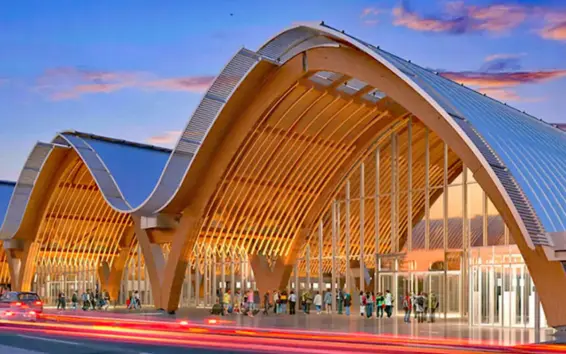
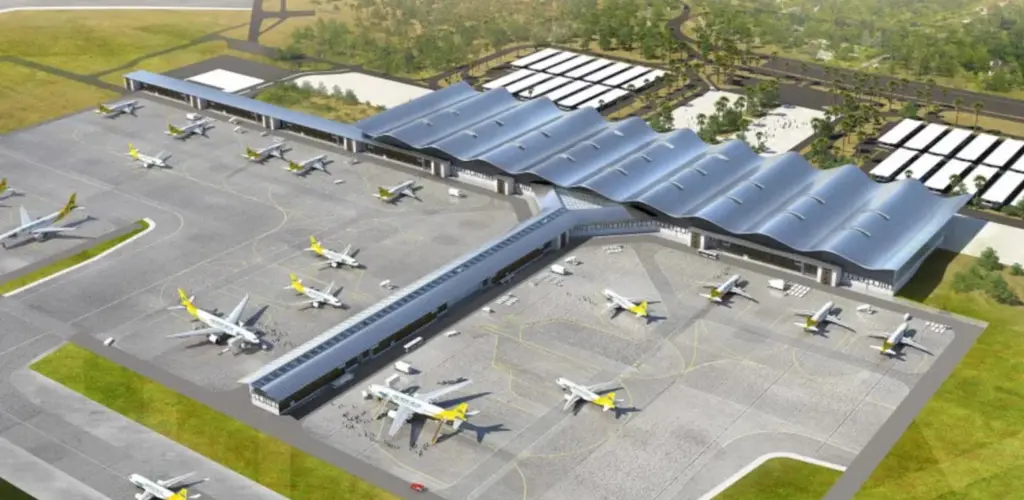
Cebu’s growth made it the country’s second most important airport. After upgrading, the number of passengers went up a lot.
The airport now has direct flights to other countries, which means less dependence on Manila. This is good for exporters, tourism companies, and business visitors.
The hospitality and property industries in Cebu have both grown.
This airport is sometimes called a “green gateway” since it helps Bohol’s tourism thrive. Since it was built, more people have come to visit and more money has been invested in resorts. More crucially, small businesses had an easier time getting to transportation, food, and tour services.
The advantages go to people in the area.
Passenger demand in Northern Mindanao is still going up. Plans to increase capacity show that commerce and tourism are booming in the area.
Mindanao airport upgrades like this make it easier for both investors and local business owners to get around.
There are special problems that island destinations have to deal with. Limited runway space can slow down the rise of tourism.
These sectors are expanding to handle the growing number of visitors while also supporting planned growth.
If done right, this can strike a balance between protecting the environment and creating jobs.
Better tourism infrastructure in the Philippines directly helps people find work.
Airports create jobs in:
But the bigger effect on jobs is indirect. Hotels hire more people. Restaurants add more seats. Local transportation services are getting bigger. Small farmers also gain. For resorts to work, they need dependable supply channels for seafood and produce. More tourists mean more demand for local goods.
For provinces with few manufacturing jobs, airport growth connected to tourism can greatly raise income levels.
The economic core of the country is still Metro Manila. But traffic jams, a lack of land, and pressure on infrastructure make it hard to grow in the future.
Improvements to regional airports promote decentralization.
When investors observe that air travel is reliable, they think about:
In several places of Central Visayas and Northern Mindanao, land prices near major provincial airports have gone up. This shows what investors think will happen in the long term.
There is more even distribution of economic activities.
The Philippines depends on local planes a lot.
Better Visayas airport expansion and stronger Mindanao airport projects make it quicker to get between business centers.
This backs up:
It also makes public services better. Airports that are contemporary and scalable make medical evacuations, emergency logistics, and disaster response better.
That matters in a country that is vulnerable to climate change.
Passenger traffic often makes the news. But the amount of cargo space is just as significant.
Regional airports help:
Exporters get new opportunities to reach regional markets as more direct international routes open up outside of Manila.
This makes the economies of the provinces stronger.
Simply expanding an airport won’t guarantee growth.
Supporting systems must be in sync:
If you don’t plan for overdevelopment, it can hurt local ecosystems. Some islands are already worried about having enough space for everyone.
Growth needs to be balanced.
The growth of regional airports in the Philippines is a sign of bigger changes in the country’s structure.
It means:
Secondary cities could become the main places to invest throughout time.
Airports make it feasible for that change to happen.
Regional airports are more than just places to fly–they help things develop faster. The Philippines is still putting money into aviation infrastructure, which gives provincial cities stronger bases for long-term growth. Better connections create more chances. That is a long-term economic plan for an island nation.
Explore more development stories from across Asia at riseasia.
It improves connectivity, supports tourism, and spreads economic growth beyond Metro Manila.
Visayas and Mindanao, where tourism and trade are accelerating.
Yes. Both direct airport employment and indirect tourism-related jobs increase.
People often design their homes to be comfortable and useful. But sometimes...
During Ramadan and Raya, families get together, eat together, and reconnect with...
Living in the city can be hard. Mental health is often put...
Chefs in Bangkok are mixing old Thai recipes with innovative cooking methods,...