
Cash is slowly becoming less common in Malaysia. Paying with a phone or scanning a QR code is now part of daily life for many people.
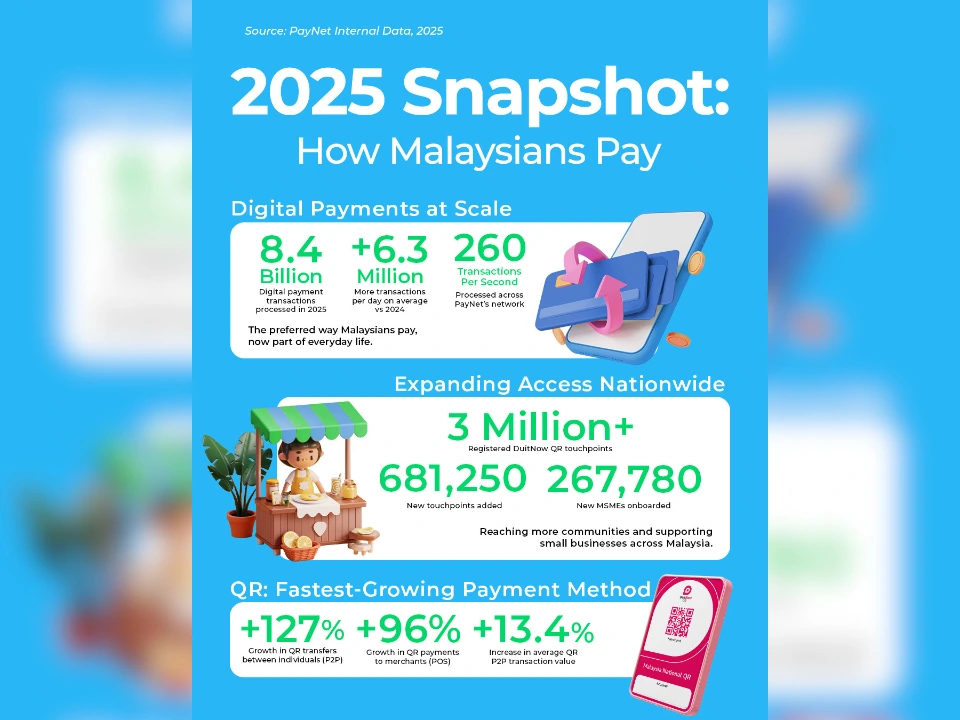
In 2025, digital payments Malaysia 2025 reached 8.44 billion transactions. This shows how fast habits are changing, not just in cities but across the country.
More Malaysians are choosing digital payments over cash. It is faster, easier, and widely accepted.
From buying food to paying for transport, people now rely on digital methods every day. This shift is also supported by national efforts to build a safe and reliable payment system.
Over time, what was once optional is now becoming the main way people pay.
The growth is not coming from one group alone. Both banks and non-bank players are expanding their role in the ecosystem.
Bank transactions grew by over 30%, while non-bank players saw even faster growth. This shows that more companies are entering the space and offering payment solutions.
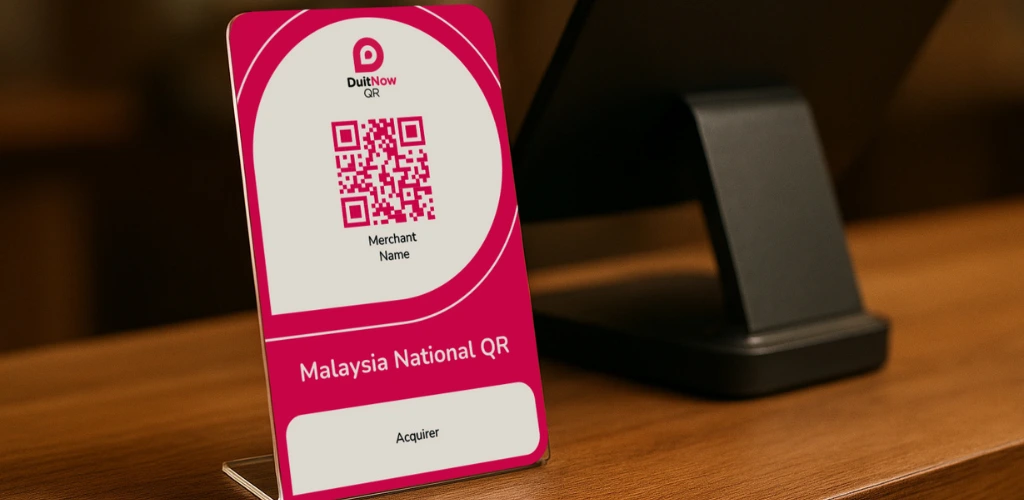
At the same time, access is improving. Over 681,000 new DuitNow QR points were added, many of them used by small businesses. This helps more people accept and use digital payments easily.
Outside major cities, adoption is also rising. States like Kelantan, Terengganu, and Kedah saw strong increases, showing that the shift is happening nationwide.
Digital payments are now used for many daily activities. People use them for shopping, sending money, and even small transactions.
In fact, there were about 6.3 million more transactions per day compared to the previous year. Usage also increased during festive seasons, when spending is usually higher.
Programmes like PayNet Digital Campus and Cashless Boleh have helped introduce these tools to students and public sector users, making adoption more natural.
As more people go digital, security becomes more important. Scams are getting more complex, using new tools and methods.
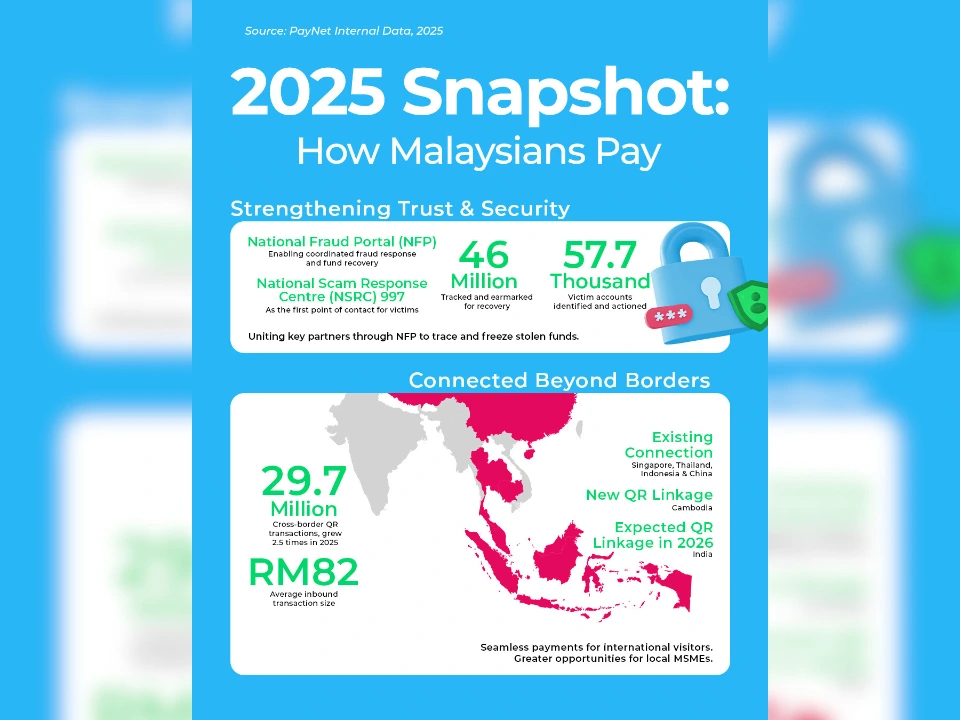
To manage this, the industry has improved coordination. Systems like the National Fraud Portal help track suspicious activity and respond faster.
In 2025, around 57,700 accounts were identified as affected, with about RM46 million being processed for recovery. At the same time, the system handled around 260 transactions per second with very high reliability.
Digital payments are also helping businesses reach customers outside the country.
Malaysia has added new QR payment connections, including Cambodia, while links with Singapore, Thailand, Indonesia, and China are already active. India is expected to follow.
Cross-border QR payments grew 2.5 times in 2025. This makes it easier for small businesses to serve tourists and regional customers.
It also supports tourism efforts like Visit Malaysia 2026.
The rise of digital payments is closely linked to Malaysia’s digital economy. More people are using digital tools, and businesses are adjusting to meet these expectations.
This creates new opportunities, especially for small businesses and fintech companies.
At the same time, it shows the importance of strong infrastructure to support long-term growth.
Digital payments are no longer just growing. They are becoming part of how the economy works.
With better access, stronger security, and wider use, Malaysia is moving towards a more connected payment system.
The next step will be making sure this growth remains stable and inclusive for everyone.
If you are exploring how digital trends are shaping everyday life and business growth, staying informed can make a big difference. Changes like this show how quickly economies are evolving.
Visit RiseAsia for more insights on business, growth opportunities, and real stories across Asia.
Malaysia recorded 8.44 billion digital payment transactions, showing strong nationwide adoption.
Growth is driven by wider access, more QR payment points, and increased use by businesses and consumers.
Yes, systems like the National Fraud Portal and strong infrastructure help improve security and reliability.