

Water systems that work well don’t often make the news.
But for many communities in the Philippines that are growing, water infrastructure is becoming one of the most critical parts of development.
As the economies of the provinces grow, the modernization of water districts in the Philippines is getting more attention. To meet up with increased demand, local water utilities are fixing up their pipes, treatment plants, and distribution networks.
At first sight, the modifications might not be obvious. But they have a big effect.
Stable utilities are important for cities to grow.
Water is important for homes, schools, hospitals, and businesses. Economic growth slows down when supplies aren’t reliable. Infrastructure developed decades ago is currently having trouble serving rising populations in many provincial districts.
There are leaks in the pipes. The pressure changes. Treatment centers are almost full.
These problems will be fixed by modernization initiatives, which will also get cities ready for future expansion.
The Philippines depends a lot on local water districts, unlike several countries that have centralized utilities.
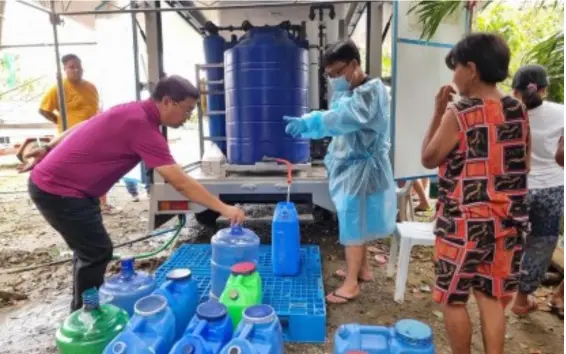
These public utilities work on their own in the areas they serve. They are in charge of getting water, cleaning it, and bringing it to homes and businesses.
More than a thousand water districts in smaller cities and towns across the country are in charge of the supply.
As more people move to cities, their jobs have become more complicated.
It’s no longer up to you whether or not to modernize your business.
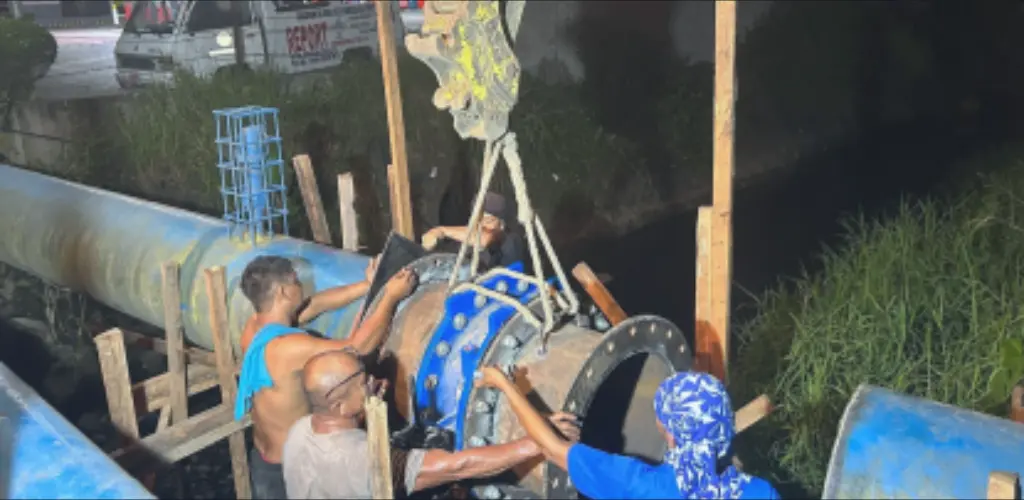
One of the most important things to do is to replace old pipes.
Leaking pipes can cause a lot of treated water to be lost in older pipes. This is called “non-revenue water.”
Cutting down on losses makes things run more smoothly and costs less to run. A lot of modernization efforts are presently focused on:
These improvements make the water infrastructure in the provinces of the Philippines stronger and assist utilities keep a steady supply.
The health of the public is intimately tied to water infrastructure.
Drinking safe water lowers the chance of getting sick from water and raises the standards of sanitation.
Water districts can achieve tighter safety standards thanks to modern treatment facilities. More and more common are filtration systems, enhancements to chemical treatment, and quality monitoring.
This is especially significant in cities that are growing quickly.
Reliable water systems keep people safe and help the local economy.
Investors also need to know that they can get water when they need it.
Food processors, factories, and commercial buildings all need access to water all the time.
When utilities have problems, businesses have to stop working.
Cities in the Philippines that update their water systems frequently become more appealing to investors.
These utilities are important for the smooth operation of hotels, industrial parks, and shopping centers.
Reliable infrastructure shows that you are ready to grow.
It’s not easy to modernize.
Building water infrastructure costs a lot of money. Treatment plants, pipes, and monitoring devices are all quite expensive.
Most water districts have tight budgets and depend on service fees to pay for their work.
Government initiatives or development funds help some projects get off the ground. Some people rely on partnerships or upgrades that happen over time.
Finding a balance between making things affordable and expanding infrastructure is always hard.
The Philippines is still becoming more metropolitan.
As individuals leave Metro Manila to look for jobs and reduced living costs, provincial communities are growing.
This trend makes it harder for people in the Philippines to get water, especially in up-and-coming regional hubs.
As the economies of cities like Iloilo, Cagayan de Oro, and General Santos increase, the demand for goods and services there has gone up.
Water districts need to prepare ahead to make sure they don’t run out of water.
New technology are being used by modern water systems.
Digital monitoring systems let operators keep an eye on water pressure, find leaks, and respond to problems more quickly.
Some places are also getting smart meters, which help keep track of usage and make bills more accurate.
These technologies make it easier for utilities to do their jobs.
They also give information that helps with preparing for the long term.
People don’t usually pay attention to water infrastructure unless something goes wrong.
But behind the scenes, updating the water districts in the Philippines is quietly driving development.
Support for upgraded utilities:
As the number of people in each province grows, it will be increasingly more necessary to have a reliable water supply.
Infrastructure that works in the background frequently has the most effect.
Advanced cities need advanced water systems. Water districts all around the Philippines are working to fix up old infrastructure and get ready for future needs.
These changes might not always be obvious, but they affect daily life, from the taps in your home to the creation of goods in factories.
Water district upgrading will continue to be an important feature of sustainable urban expansion as provincial cities increase.
Read more stories shaping Asia’s growth on riseasia.com.
A water district is a local public utility responsible for supplying treated water to households and businesses within a specific area.
Many water systems were built decades ago and now require upgrades to handle growing populations and improve efficiency.
Reliable utilities support businesses, attract investment, and improve overall living conditions in growing cities.
People often design their homes to be comfortable and useful. But sometimes...
During Ramadan and Raya, families get together, eat together, and reconnect with...
Living in the city can be hard. Mental health is often put...
Chefs in Bangkok are mixing old Thai recipes with innovative cooking methods,...