
Filipinos have been drinking coffee every day for a long time.
Instant coffee was the most popular type of coffee for many years. It was cheap, easy to get, and available all over the country.
But for the last several years, a new coffee culture has been slowly emerging.
In Metro Manila, Cebu, Davao, and other locations, specialty coffee roasters in the Philippines are creating a new market that focuses on quality, craftsmanship, and local beans.
What started as a small group of coffee lovers is now becoming a bigger part of the country’s beverage sector.
In the past, the Philippines has been one of the biggest users of instant coffee in Asia.
Big international brands made a name for themselves by selling things to a lot of people.
But more and more younger people are looking into high-end options.
People who are interested in the following are going to specialty coffee shops and roasters:
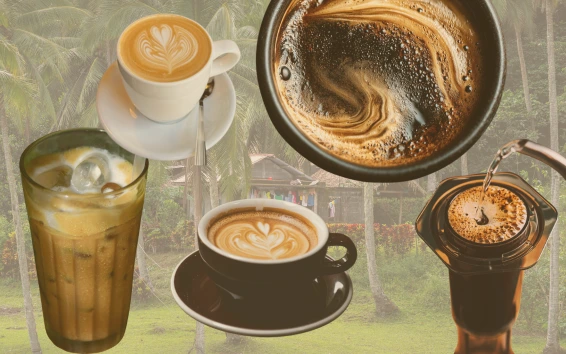
Many people who live in cities are getting familiar with terms like “single-origin,” “pour-over,” and “cold brew.”
This change is a sign of the growth of “third-wave coffee culture,” which sees coffee as an art form rather than just a drink.
The Philippines has been growing coffee for a long time.
Different areas grow different types, such as:
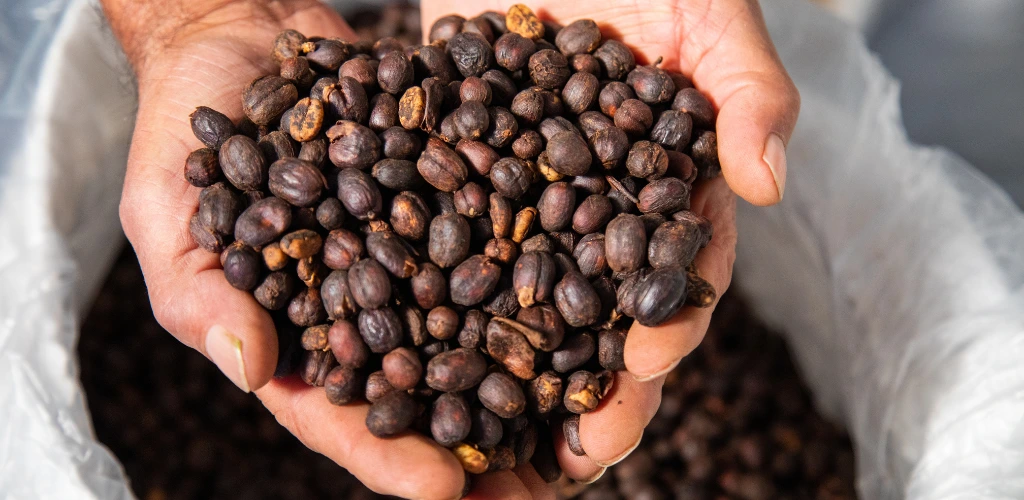
The region produces four different coffee bean varieties, which include Arabica, Robusta, Excelsa, and Liberica beans.
Local beans suffered from a long-lasting disadvantage against imported coffee because processing equipment remained deficient and product quality fluctuated.
Specialty roasters are making things better.
Many roasting firms are increasing the quality control and processing of coffee after it has been picked by working directly with growers.
The partnership between both parties brings mutual benefits.
Farmers receive improved prices and market access while roasters obtain unique beans that originate from their specific geographical area.
The majority of specialty roasters in the Philippines operate as small businesses that differ from large coffee companies.
A lot of them started out as passion projects by coffee lovers who wanted to try roasting and brewing.
The small and medium-sized businesses operate roasting facilities that provide coffee beans to cafes restaurants and homebrewers who brew their own coffee.
Some also own coffee shops where customers can taste freshly roasted beans.
Common things offered are:
The Philippines maintains a small but steadily expanding specialty coffee roasting industry.
Coffee shops that specialize in a certain type of coffee do more than just provide drinks.
People are starting to use them as places to work, study, and hang out.
A lot of cafés focus on design, atmosphere, and telling stories.
Customers typically find out about:
This focus on experience sets specialty coffee apart from chains that sell a lot of it.
It also makes customers more loyal.
Online platforms have also helped specialty coffee grow faster.
Roasters now sell beans directly through online stores, which makes it possible for people in different parts of the country to get high-quality coffee.
A lot of people are also signing up for subscription services.
These services send out fresh beans every month, giving customers a taste of varied coffee origins and roasting styles.
Social media is also very important.
A lot of coffee brands create their communities by:
This online presence helps small roasters get their message out to more people.
Even if more people are interested, the Philippine coffee business still has a lot of problems.
Local production is still lower than what people want. Because of this, the country still buys a lot of coffee from other countries.
Some more problems are:
To deal with these problems, government organizations, farmers, and private firms will need to work together.
But the increasing niche category could help the industry last longer in the long run.
Farmers have more reasons to invest in quality when coffee markets are worth more.
The popularity of specialty coffee is not just in the Philippines.
In cities all around Southeast Asia, like these, similar things are happening:
People who live in cities are becoming more interested in craft drinks and ingredients that come from nearby.
This change is good for small roasting businesses and independent cafés.
In many situations, these firms also sell goods made from local crops.
The growth of specialty coffee in the Philippines is more than just a fad.
It helps the economy grow in a number of ways:
Coffee brings together farmers, business owners, and customers in a value chain.
The Philippines could get more reputation as a specialty coffee origin in Asia by making this ecosystem stronger.
Specialty coffee is still a small part of the coffee market in the Philippines as a whole.
But it is getting more powerful.
As more people look for better coffee experiences, the need for expert roasters, baristas, and coffee teachers is set to grow.
The movement might also help the beans from the Philippines do better in other countries.
The smell of freshly roasted coffee is still spreading across the country’s cities, one small roastery at a time.
For more Asia business and culture stories, explore riseasia.com.
Specialty coffee refers to high-quality coffee that focuses on bean origin, roasting methods, and careful brewing techniques. It is usually produced in smaller batches with greater attention to flavor and quality.
Interest in specialty coffee is increasing as younger consumers explore premium coffee experiences. Many also want to learn about bean origins, brewing methods, and locally grown coffee.
Specialty coffee roasters often work directly with farmers. This can give farmers better prices, stable buyers, and incentives to improve the quality of their coffee beans.
During the Gaikindo Jakarta Auto Week, Changan formally unveiled the Lumin electric...
The technological shift wave is transforming the provinces surrounding Hanoi and Ho...
In the burgeoning digital world of Vietnam this March 2026, having a...
The Hyperboost Edge is a new running shoe from adidas that is...