Travel can change how we see the world, but sometimes it changes how we see home. For Fikri Zamri, travelling across Malaysia helped him rediscover the country in a deeper and more meaningful way. What once felt ordinary slowly became something filled with stories, people, and experiences.
Instead of seeing places as simple destinations, he began to see them as living communities shaped by culture, history, and everyday life.

One of the most memorable moments was staying in an Iban longhouse, where he experienced a way of life closely connected to tradition and nature. It showed him that Malaysia is not just diverse on the surface, but made up of many unique worlds.
From this, he realised that every place carries its own story, shaped by people whose warmth and hospitality leave a lasting impression.
Along the journey, there were also quiet and meaningful encounters. Meeting people like an elderly trishaw rider in Penang or a small ice cream seller at Chew Jetty revealed a more human side of Malaysia.
These moments showed resilience, kindness, and dignity, even during challenging times, making the country feel more real and closer to the heart.
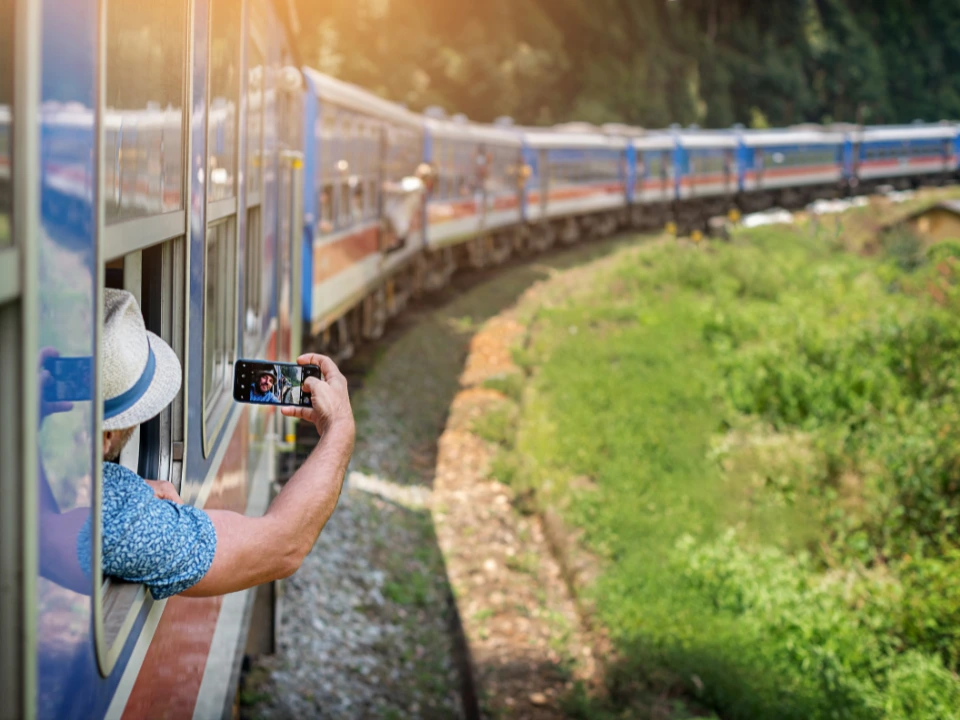
For Fikri, the journey is just as important as the destination. The way we travel, whether by train, car, or on foot, shapes how we experience a place.
Slower journeys allow us to notice more, from changing landscapes to small everyday details that are often missed.
One journey that stood out was a trip to Air Terjun Susung in Sarawak. It involved travelling by boat in the rain, staying overnight in a simple village home, and continuing the journey the next day.
What made it special was not only the destination, but how the journey unfolded step by step, creating a lasting memory.
Looking ahead, better connectivity such as the East Coast Rail Link is expected to make travel easier across Malaysia. Places that once felt far away could soon become simple weekend destinations.
This could encourage more people to explore areas like the East Coast and experience its culture, food, and local way of life.
As travel becomes more accessible, it can help support local communities, grow tourism, and create new opportunities.
More importantly, it helps Malaysians appreciate their own country not just as a place to visit, but as a place full of meaning, diversity, and shared identity.
For Fikri, Malaysia is no longer just where he comes from. It is a place he continues to explore and appreciate with fresh eyes.
Through travel, he found a deeper connection to the country, shaped by real experiences, real people, and lasting memories.
It shows how travelling within Malaysia can change perspectives and deepen appreciation for the country.
It helps people understand local cultures, support communities, and discover new experiences close to home.
Travel allows people to experience different lifestyles and stories, helping them see their own country in a new way.