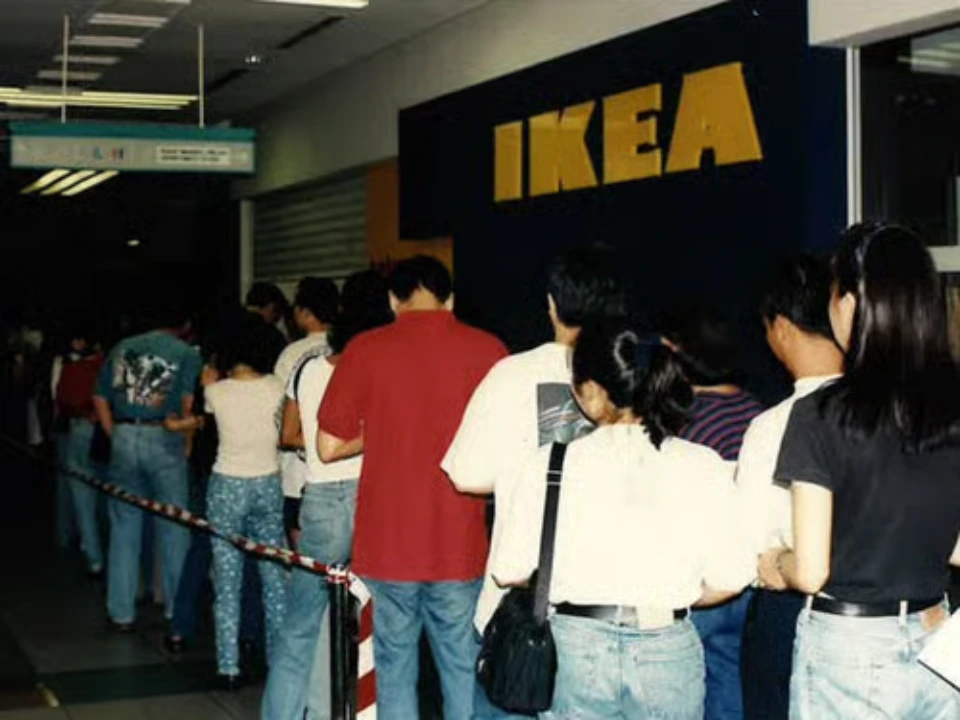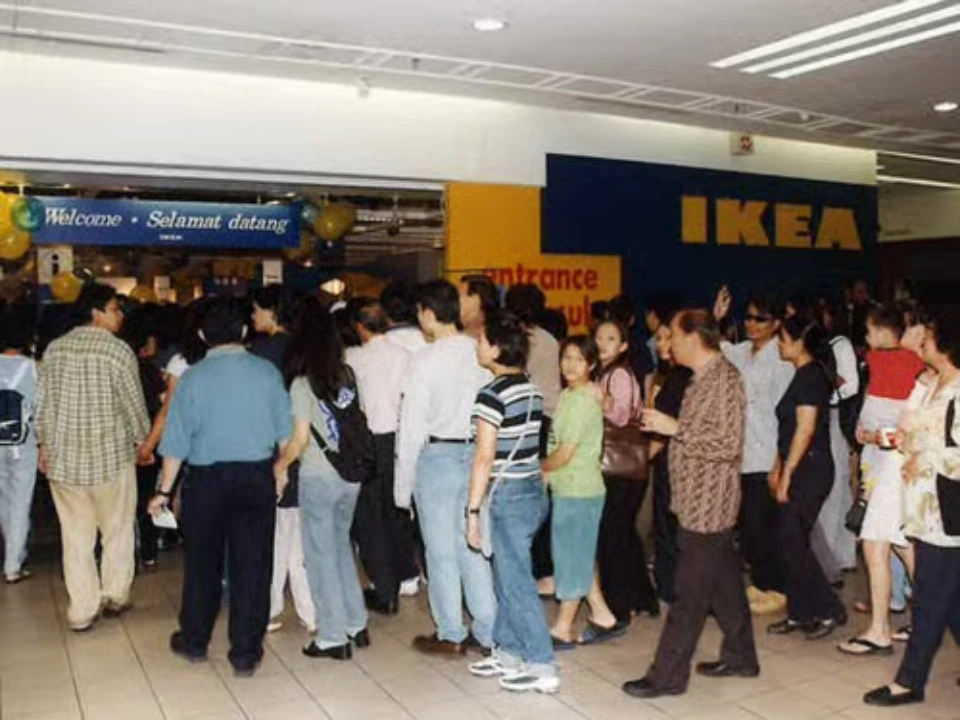


Step into almost any Malaysian home, and there is a good chance you will find something from IKEA. A shelf, a chair, maybe even a full living room setup.
The story of IKEA Malaysia 30 years is not just about a brand growing. It is about how people here started to think differently about space, comfort, and daily living.
Before IKEA entered Malaysia, home furnishing was often seen as something fixed. Furniture was heavier, less flexible, and not always designed for smaller spaces.
IKEA introduced something different. Flat-pack furniture made it easier to transport and assemble. Showrooms helped people visualise how a space could look before buying anything.
That small shift changed habits. People began planning their homes instead of just filling them.
For many Malaysians, the IKEA journey started the same way. A visit to the store, walking through model rooms, and imagining how life at home could be improved.
It was not just about buying furniture. It became a weekend activity, sometimes even a family outing.
Over time, this experience became part of urban lifestyle culture. The store itself turned into a place where ideas, food, and shopping came together.
What made IKEA stand out was not just design, but how it fits into daily routines.
Products like the BILLY bookcase or KALLAX shelves are simple, but they solve everyday problems like storage, organisation, flexibility.
People adapt them in different ways. A shelf becomes a divider, a sofa fits into a small apartment, a table works for both dining and work.
That flexibility matters, especially as Malaysian homes continue to change.
Over the past three decades, living patterns in Malaysia have changed. More people live in cities. Spaces are smaller. Needs are different.
IKEA did not stay fixed. It adjusted its designs and pricing to match these changes.
This is one reason it remained relevant. It grew alongside its customers, rather than expecting them to adapt.
To mark its 30-year milestone, IKEA Malaysia is organising activities from April to August.
These include in-store events, daily deals, collaborations, and seasonal celebrations. Visitors can also expect special experiences like acoustic sessions and themed promotions.
There are also limited-edition items, adding a sense of occasion to the anniversary.
But more than promotions, the goal is to bring people back into the space and relive the experience.
IKEA’s impact goes beyond furniture sales. It helped shape how retail spaces feel.
The idea of combining showroom layouts, self-service shopping, and food in one place created a different kind of environment. It changed expectations for shopping experiences in Malaysia.
Today, it sits within a broader lifestyle economy, where people spend not just on products, but on experiences.
Looking ahead, the question is not whether IKEA will stay. It is how it will continue to adapt.
Homes will keep changing. Work-from-home setups, smaller living spaces, and new lifestyle habits will shape future demand.
If the past 30 years are any sign, the brand will likely keep adjusting quietly in the background like its furniture.
IKEA Malaysia is marking its 30-year presence, highlighting its role in shaping home living habits.
Its affordable, flexible designs and showroom experience made home planning easier for many households.
It has adapted to smaller living spaces, urban lifestyles, and changing consumer needs while keeping its core concept.