

climate finance Asia Pacific
Infrastructure & MobilityLiving Asia

Asia Calls for Faster Climate Funding Before Disasters Hit

URL copied
Share URL copied

Across Asia and the Pacific, climate risks are rising faster than the systems designed to manage them.

The region accounts for about 75% of global disaster impacts. Yet in many cases, funding only arrives after damage has already happened. This gap is now pushing leaders to rethink how climate finance works, especially in vulnerable countries like the Philippines.

Why Early Action Matters

climate finance Asia Pacific

In many parts of Asia, including the Philippines, communities face frequent floods, typhoons, and extreme weather.

Relief efforts often come too late. By the time funding is released, homes, businesses, and livelihoods are already affected.

Experts say early investment can reduce both costs and damage. Preparing before disasters happen is not just safer but it is more practical.

A Regional Discussion Led in the Philippines

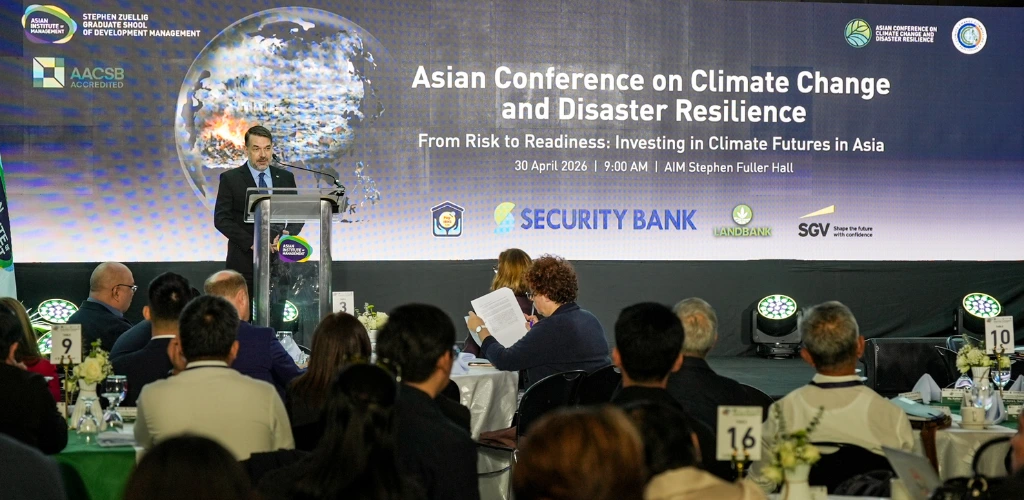
To address this issue, the Asian Institute of Management (AIM) hosted the Asian Conference on Climate Change and Disaster Resilience (ACCCDR) 2026 in Makati City, Philippines.

The event brought together policymakers, finance leaders, and private sector players from across the region.

The goal was clear, it’s to make sure climate funding reaches communities before disasters strike, not after.

Climate as an Economic and Security Issue

climate finance Asia Pacific

During the conference, speakers highlighted that climate risks are not only environmental.

In countries like the Philippines, they affect national security, economic stability, and public safety. Stronger planning can help protect infrastructure and reduce long-term losses.

This shows that climate readiness is now part of broader national strategies.

Closing the Gap Between Funding and Communities

One major concern raised was the gap between global funding and local access.

Even when funds are available, they often do not reach local governments in time. This issue is especially visible in disaster-prone areas across the Philippines and Southeast Asia.

Experts suggested improving how funds are delivered. Faster systems and direct support for local communities can make a big difference.

New Ways to Finance Climate Action

climate finance Asia Pacific

The conference also explored practical solutions.

These include better risk planning, climate insurance, and stronger coordination between governments and financial institutions.

The aim is to build systems that can act quickly, using data and collaboration to reduce risks before they grow.

What This Means for the Region

Asia remains one of the most climate-vulnerable regions in the world.

For countries like the Philippines, improving climate finance is not just about policy. It is about protecting people, livelihoods, and future growth.

The shift toward early action also opens new opportunities in finance, technology, and innovation.

Moving From Reaction to Readiness

climate finance Asia Pacific

The message from ACCCDR 2026 is simple.

Waiting for disasters is no longer enough. The region needs to act earlier, using better systems and smarter funding.

This change may take time, but it is necessary for a more resilient future.

Discover More Business Insights

If you are exploring how climate change is shaping economies and policies, understanding these trends can help you see where future opportunities and risks lie.

Visit RiseAsia for more insights on business, growth opportunities, and real stories across Asia.

FAQs

1. Why is the Philippines important in this discussion?

The Philippines faces frequent climate risks, making it a key country for improving disaster preparedness and funding systems.

It is funding used before disasters happen to reduce risks and protect communities.

To improve how climate funding is delivered and ensure it reaches communities earlier.