
Micro warehousing Philippines
Digital TransformationWork & Industry

Micro Warehousing Is Transforming Philippine E-Commerce Delivery

URL copied
Share URL copied

In the Philippines, shopping online is now a common aspect of life.

Millions of people now order things like electronics, clothes, groceries, and household goods through digital marketplaces. It’s clear that it’s easy. A few taps on a smartphone can get things at your home in just a few days.

But there is a logistics infrastructure behind every successful delivery that is working to keep up with demand.

Logistics businesses are changing the way items travel through cities as internet shopping grows. Micro warehousing in the Philippines is one alternative that is getting a lot of attention.

Companies are creating smaller storage hubs closer to customers instead of depending just on big distribution centers outside of cities. These places are helping to speed up delivery and make the whole supply chain work better.

The Logistics Problem with Shopping Online

As e-commerce grows, it creates new problems with shipping and delivery.

Traditional distribution methods were set up for large shipments, not for delivering individual goods right to people’s homes.

In the past, big warehouses in industrial areas were the major places to store products. Goods would be taken from these places and then sent to different stores to be sold.

That model is changed by online shopping.

Logistics companies have to deliver individual items to thousands of different addresses every day instead of delivering cargo to retailers.

In busy areas like Metro Manila, traffic jams and neighborhoods that are close together might make this process harder.

The sector has made it a top aim to cut delivery times while keeping logistical costs in check.

What Micro Warehouses Really Do

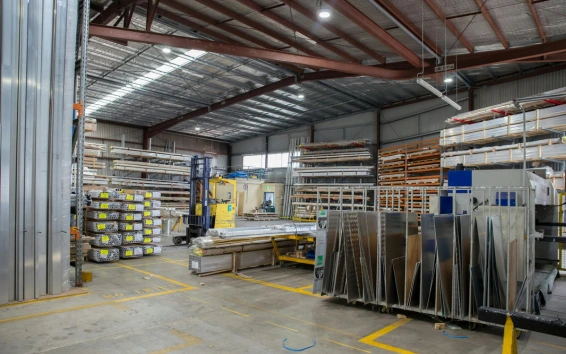
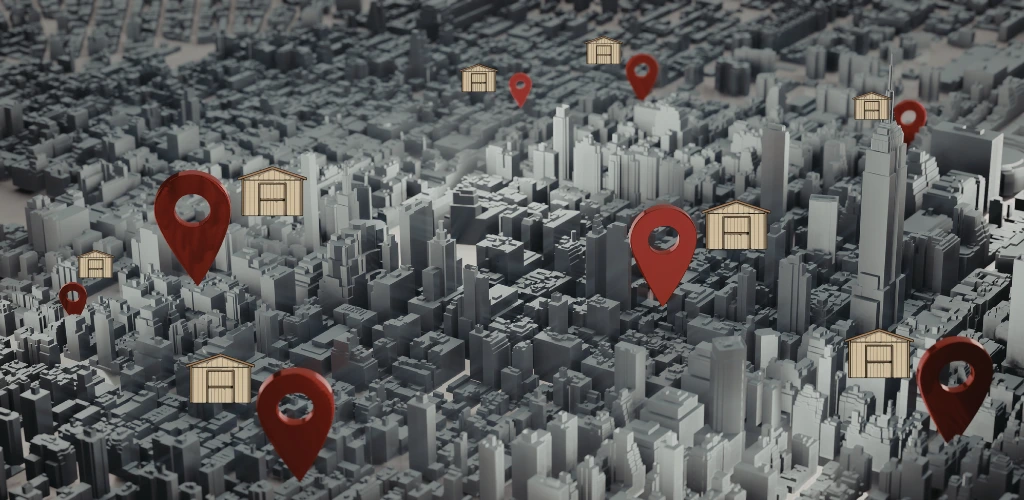
Micro warehouses are smaller places to store things that are in or near cities.

These places don’t store a lot of goods; instead, they specialize on high-demand items that need to go to clients rapidly.

The idea is basic but works.

Logistics companies can cut down on the distance traveled during the last stage of delivery by putting inventory closer to customers.

Some benefits are:

  • Faster order processing
  • Less money spent on transportation
  • Shorter delivery time
  • Better distribution of inventory

These urban centers can stock items that people often buy online, so riders can pick them up promptly after they place an order.

e-commerce logistics Philippines

Helping to Speed Up Delivery

People today want their packages to arrive faster.

In many online stores, same-day or next-day shipping is becoming more and more prevalent.

To meet these expectations, logistics strategy needs to evolve.

Micro warehouses make it possible to send orders from places that are considerably closer to the buyer.

This makes the delivery riders’ trips shorter.

It also lets logistics companies process more orders in a shorter amount of time.

Customers could only notice a difference in how quickly their orders arrive. But behind the scenes, the logistics system works far better.

The Last Mile Is the Hardest Part

The last step of delivery in e-commerce is typically the hardest.

This step, called “last-mile logistics,” means moving items directly from a distribution site to the customer’s location.

The process sounds easy, but it can take a lot of time and money.

Drivers have to deal with traffic, find addresses, and make a lot of deliveries on time.

Micro warehousing makes this procedure easier.

Delivery routes are shorter and easier to manage when items are stored closer to customers.

Riders can get more deliveries done in the same period of time.

Effects on the Logistics Industry

Micro warehousing is having an effect on more than just e-commerce.

Logistics businesses are putting money into innovative systems that use digital inventory management tools and smaller storage hubs.

Technology is really crucial.

Warehouse software can keep track of where products are going between different locations and make sure that distribution is done quickly.

Urban real estate is also becoming a part of the logistics ecosystem at the same time.

Some developers are looking into new kinds of buildings that are made just for urban logistical operations.

These areas might have small storage spaces close to transportation routes or in city neighborhoods.

Business Opportunities

The rise of micro storage in the Philippines is opening up new possibilities in several fields.

Here are some businesses that might benefit:

  • People who run logistics
  • Developers of property
  • Companies that provide warehouse technology
  • Platforms for delivery

Startups that work on supply chain technology may also be able to make money by building systems that control networks of warehouses that are spread out.

As e-commerce grows, the need for flexible logistical infrastructure is likely to grow as well.

A New Level in the Supply Chain

Micro warehouses are not a replacement for traditional distribution facilities.

They don’t change the logistical network; they add a new layer to it.

Big warehouses still store a lot of stuff and move it far distances. Micro warehouses are all about getting things out quickly in cities.

These facilities work together to make a hybrid system that balances speed and efficiency.

For online stores, this framework helps make sure that things get to customers swiftly.

Looking Ahead

The digital economy is changing how things travel across cities.

As online shopping grows, logistics systems need to change to meet higher standards for speed and ease.

Micro warehousing is one useful answer.

Logistics companies can make deliveries faster and help e-commerce keep growing by putting goods closer to customers.

In the next few years, building urban logistics infrastructure may become a key way for Philippine communities to assist the digital economy.

What is micro warehousing?

 Micro warehousing refers to smaller storage hubs located closer to urban customers to speed up delivery operations.

 Rapid e-commerce expansion is creating demand for faster delivery and more efficient logistics networks.

 Logistics firms, e-commerce companies, warehouse developers, and delivery platforms all benefit from this trend.

Share URL copied
Related Articles

Changan Lumin Electric Car Launches in Indonesia Market

During the Gaikindo Jakarta Auto Week, Changan formally unveiled the Lumin electric...

Digital Hubs: Powering Business Expansion in Vietnam 2026

The technological shift wave is transforming the provinces surrounding Hanoi and Ho...

Scaling for Success through Strategic IT Department Expansion

In the burgeoning digital world of Vietnam this March 2026, having a...

Runners in Malaysia can now get the adidas Hyperboost Edge

The Hyperboost Edge is a new running shoe from adidas that is...