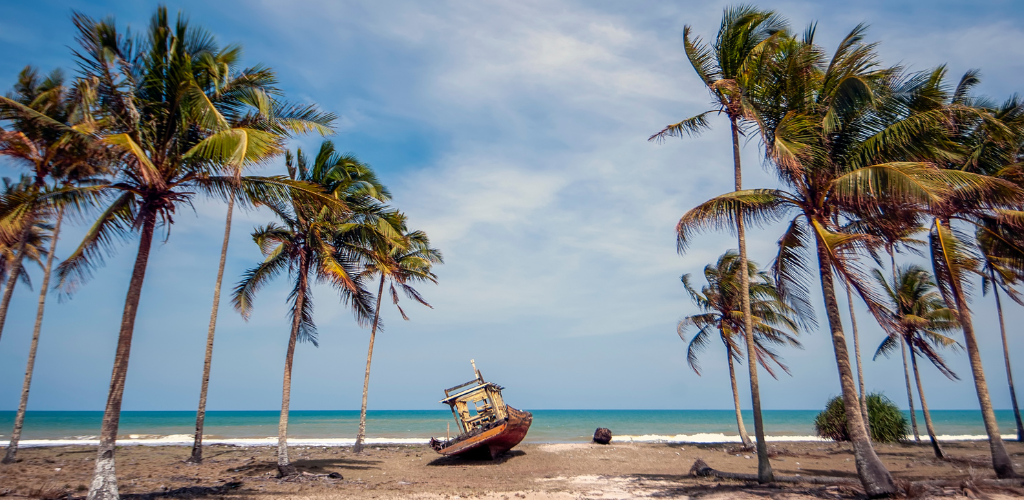
Malaysia’s east coast has always rewarded travellers willing to venture a little further. While many visitors head to familiar holiday destinations, countless hidden gems continue to thrive away from the spotlight, offering authentic experiences shaped by nature, heritage and local communities.
That could soon change. With the East Coast Rail Link (ECRL) scheduled to begin operations in January 2027, travelling between the Klang Valley and Kota Bharu will become significantly faster, opening new opportunities for domestic tourism and regional economic growth. Before these destinations become easier to reach, now may be the perfect time to experience their quieter charm.
Off the coast of Dungun, Pulau Tenggol has quietly earned its reputation among experienced divers while remaining relatively unknown to mainstream travellers.
The island is home to more than 20 dive sites within the Terengganu Marine Park, featuring colourful coral reefs, dramatic underwater rock formations and fascinating shipwrecks suitable for various skill levels. Between August and October, divers may even encounter whale sharks, making it one of Malaysia’s most exciting marine destinations.
Away from the sea, visitors can explore centuries-old rainforest trails and peaceful beaches untouched by commercial tourism, creating an escape that feels refreshingly natural.
Many travellers know Marang simply as the departure point for Pulau Kapas. Yet the fishing town has its own story to tell.
Located along the Marang River, the town continues to revolve around traditional fishing activities, bustling morning markets and family-run boatbuilding workshops. Visitors can stroll through quiet kampung streets, discover local seafood and experience a slower pace of life that reflects generations of coastal heritage.
Rather than competing with larger tourist destinations, Marang remains authentic by staying true to its community roots.
Kelantan offers two destinations that challenge common perceptions of the state.
Deep within Gunung Stong State Park, visitors will find Jelawang Waterfall, one of Southeast Asia’s tallest waterfalls at over 300 metres. Surrounded by ancient rainforest, mountain peaks and limestone caves, the park provides a rewarding adventure for hikers and nature lovers seeking a less crowded alternative to more established national parks.
Further north, Tumpat presents another side of Kelantan’s identity. Home to more than 25 Buddhist temples, including the impressive Wat Photivihan with its 40-metre reclining Buddha, the district reflects the rich cultural diversity that has shaped the region for generations.
Together, these destinations highlight how Kelantan’s natural beauty and multicultural heritage continue to enrich Malaysia’s tourism landscape.

Pahang’s east coast is equally rich with destinations where history and community remain closely connected.
Sungai Lembing, once famous for operating the world’s largest underground tin mine, has transformed into a charming heritage town known for its colonial buildings, sunrise views from Panorama Hill and the spectacular Rainbow Waterfall. Today, its preserved history and relaxed atmosphere attract visitors looking for meaningful weekend escapes.
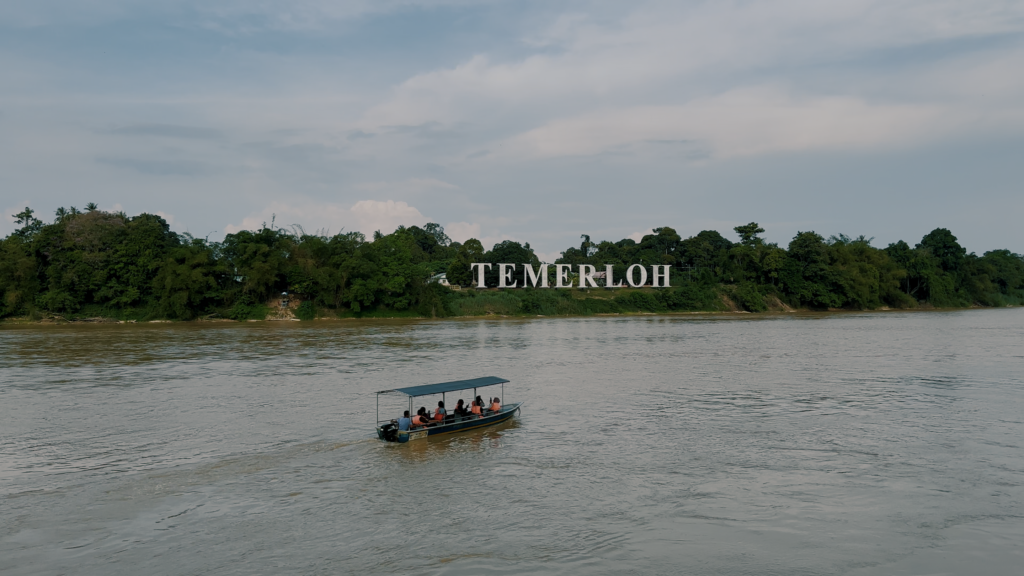
Meanwhile, Temerloh continues to embrace its identity as one of Malaysia’s great river towns. The weekly Pekan Sehari market, riverside restaurants and peaceful waterfront offer visitors a glimpse into everyday life along the Pahang River, where local traditions continue to flourish.
The completion of the East Coast Rail Link is expected to reshape domestic tourism by making destinations across Terengganu, Kelantan and Pahang more accessible than ever before.
Shorter travel times will encourage weekend getaways, stimulate local businesses and create new opportunities for community-based tourism. At the same time, increased accessibility may introduce many of these lesser-known destinations to a wider audience.
For local communities, this presents opportunities to strengthen sustainable tourism while preserving the culture, landscapes and traditions that make these places unique.
Malaysia’s east coast has never lacked remarkable destinations. Many simply remained overlooked because reaching them required extra time and planning.
As infrastructure improves and travel becomes easier, destinations like Pulau Tenggol, Marang, Gunung Stong, Tumpat, Sungai Lembing and Temerloh are well positioned to welcome more visitors while showcasing the diversity of Malaysia beyond its major cities.
Sometimes, the best journeys are the ones that have been waiting patiently all along.
For more information about the East Coast Rail Link and travel inspiration across Malaysia, visit https://www.malaysia.travel.
Across Asia, improved infrastructure is unlocking new opportunities for tourism, local businesses and regional development. At RiseAsia, we explore the places, people and projects shaping the continent’s future from hidden travel destinations to major connectivity initiatives that bring communities closer together.
Visit https://riseasia.com for more stories on tourism, infrastructure, culture and Asia’s evolving growth journey.
The ECRL is expected to begin operations in January 2027, connecting the Klang Valley with Kota Bharu through 20 stations across the east coast.
Pulau Tenggol in Terengganu is one of Malaysia’s top diving destinations, offering more than 20 dive sites and seasonal whale shark sightings.
Visiting before the ECRL opens allows travellers to experience these destinations while they remain quieter and less crowded, offering a more authentic local experience.