
Aboitiz Foods Asia
Corporate ExpansionGrowth & Capital

Aboitiz Foods Strengthens Growth Across Asia

URL copied
Share URL copied

Aboitiz Foods continued to expand its regional presence after reporting solid business performance in 2025. The company posted a net income after tax of US$90.6 million (₱5.2 billion), supported by growth across its food and agribusiness operations.

The results reflect steady demand across Asia’s food sector, especially as population growth and changing consumer needs continue to drive demand for protein and staple foods.

Growth Supported by an Integrated Supply Chain

The company said stronger volumes and improved margins across its Flour, Farms, Livestock, and Trading divisions helped support performance.

Aboitiz Foods operates through an integrated “mill to meal” system, which connects different parts of the food supply chain. This structure allows the company to maintain more stable operations even during global uncertainties.

The integrated model also helps improve efficiency while supporting long-term food production goals across the region.

Expanding Investments for Long-Term Growth

To support future expansion, Aboitiz Foods has allocated ₱5.2 billion in capital expenditure for 2026.

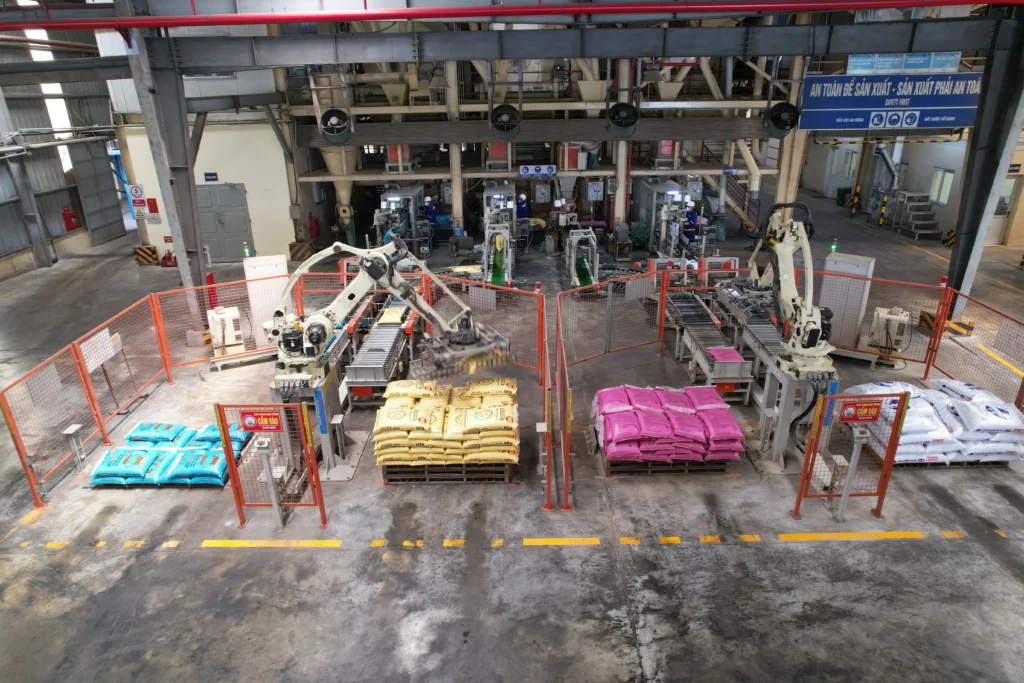
The investment will focus on expanding feedmill capacity in the Philippines, improving automation systems, and strengthening research and development capabilities. The company is also continuing plans for integrated feed and farm developments across the region.

These efforts are aimed at improving efficiency while preparing for future food demand in Asia.

Building Stronger Specialty Nutrition Capabilities

Aboitiz Foods Asia

Aboitiz Foods is also strengthening its specialty nutrition business.

Earlier this year, the company acquired Singapore-based Diasham Resources Pte. Ltd., helping expand its specialty nutrition portfolio and regional distribution network.

At the same time, the company is investing in a dedicated aquaculture research facility in Singapore. This will support more science-based solutions for customers across the agriculture and food sectors.

Together, these initiatives reflect a growing focus on higher-value and innovation-driven products.

Managing Global Cost Pressures

Like many companies in the food industry, Aboitiz Foods continues to face rising energy and logistics costs.

The company said global challenges, including ongoing geopolitical tensions, have affected operations across the supply chain. In response, it is focusing on operational efficiency, disciplined cost management, and selective pricing adjustments when necessary.

This approach is intended to balance business sustainability while continuing to support customers and partners.

Supporting Asia’s Food Security

Aboitiz Foods Asia

Beyond business growth, Aboitiz Foods says it remains focused on long-term food security in Asia.

The company believes strong industry fundamentals will continue to support the sector over time, especially with rising demand for food and agricultural products.

Its investments in innovation, infrastructure, and supply chain integration are part of a broader strategy to strengthen food systems across the region.

A Long-Term Regional Strategy

Aboitiz Foods currently operates across eight countries, including Malaysia, Singapore, Indonesia, Vietnam, Thailand, China, Brunei, and the Philippines.

As Asia’s agricultural landscape continues to evolve, the company is positioning itself to grow alongside changing consumer and industry needs.

The focus remains on building resilient operations while supporting sustainable regional development.

Discover More Business Insights

Asia’s food and agribusiness sector continues to evolve as companies invest in innovation, sustainability, and regional expansion to meet future demand.

Visit RiseAsia for more insights on business, growth opportunities, and real stories across Asia.

FAQs

1. What were Aboitiz Foods’ 2025 results?

The company reported a net income after tax of US$90.6 million (₱5.2 billion).

The company is investing in feedmill expansion, automation, research facilities, and specialty nutrition capabilities.

The company operates across eight Asian markets, including Malaysia, Singapore, Indonesia, and the Philippines.