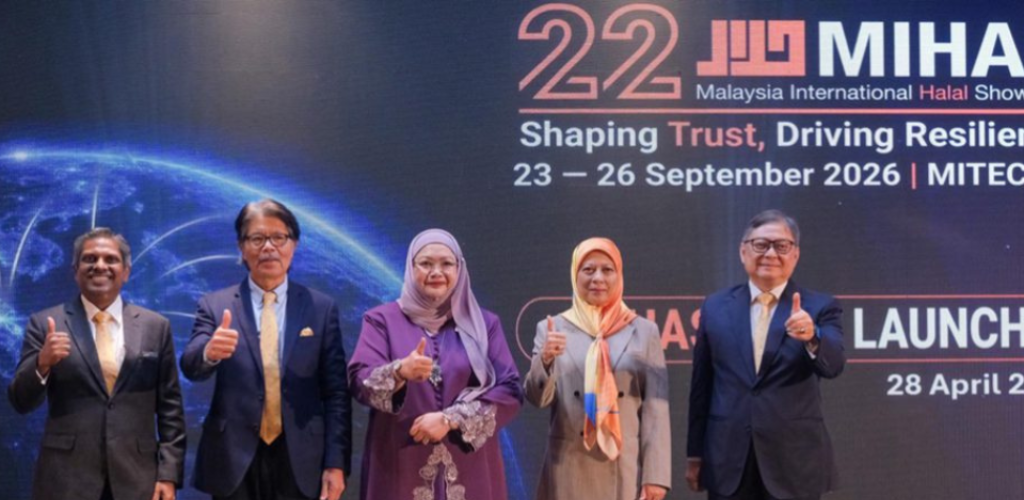
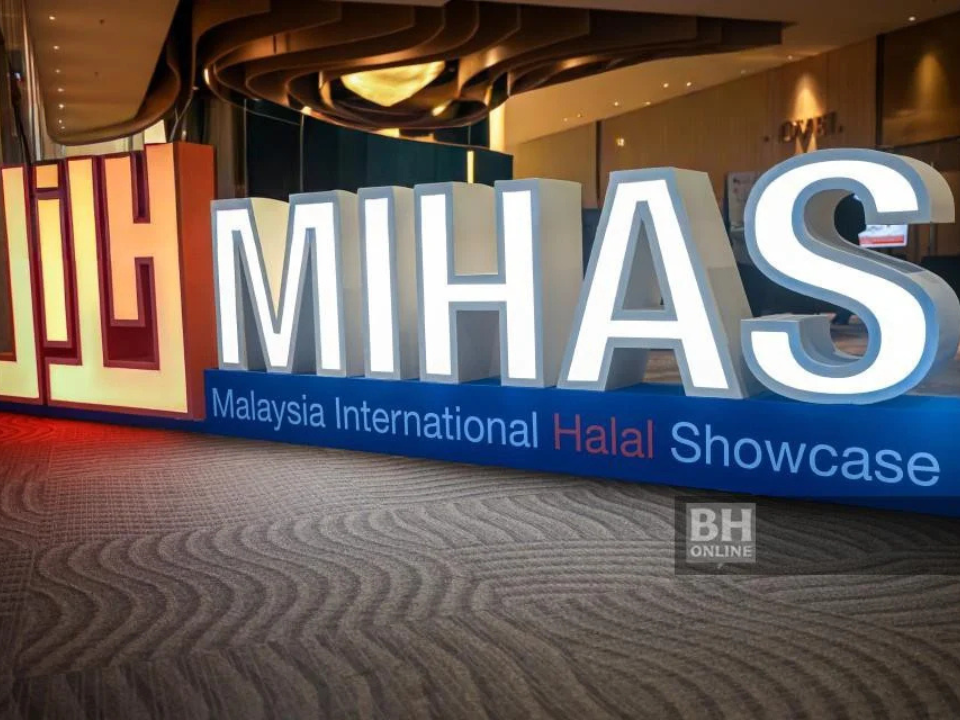
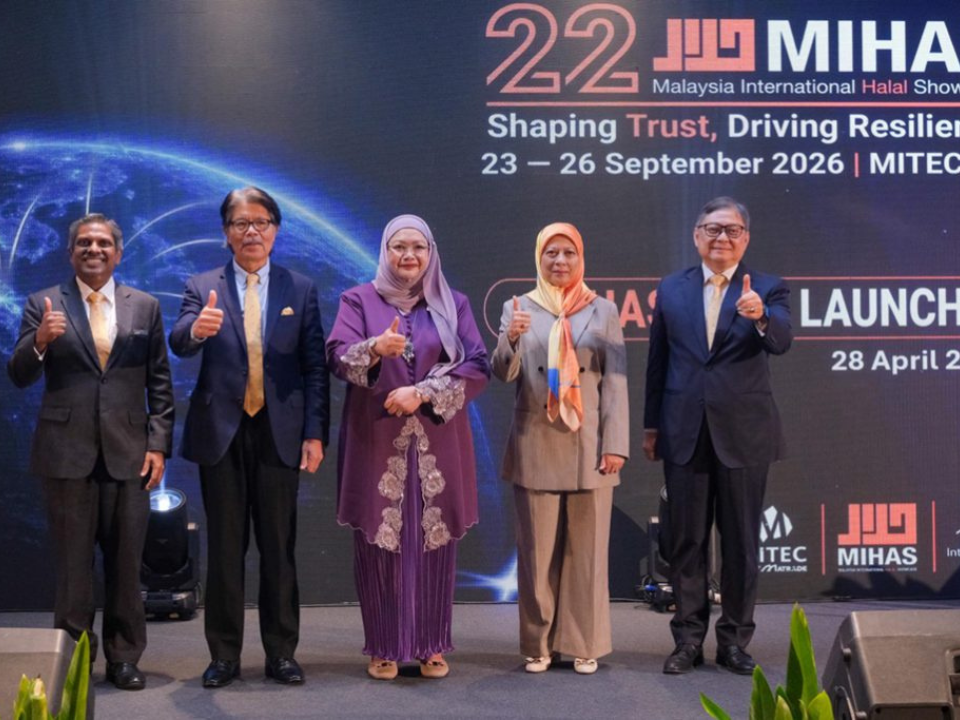
Kuala Lumpur is set to welcome global businesses once again as the Malaysia International Halal Showcase (MIHAS) 2026 returns from 23 to 26 September 2026 at the Malaysia International Trade and Exhibition Centre (MITEC).
Organised by the Malaysia External Trade Development Corporation (MATRADE), the 22nd edition of the event carries the theme “Shaping Trust, Driving Resilience.” It is expected to bring together thousands of exhibitors, buyers and industry professionals from around the world while generating more than US$1 billion in trade value during the four-day exhibition.
As global demand for halal-certified products and services continues to rise, MIHAS has evolved beyond a trade exhibition. It has become an important platform for businesses looking to expand across Southeast Asia’s rapidly growing halal economy.
image via Berita Harian
The halal industry has grown far beyond food manufacturing.
Today, it covers a wide range of sectors including cosmetics, pharmaceuticals, Islamic finance, logistics, modest fashion and halal-friendly tourism. As consumer demand increases, halal certification is becoming an important part of market access rather than simply a branding tool.
Industry estimates place the global halal food market at more than US$2 trillion, with forecasts suggesting continued growth throughout the next decade. Asia Pacific remains the largest regional market, driven by countries such as Malaysia and Indonesia, where demand for halal products continues to increase.
This growth is creating new opportunities for businesses that can meet evolving consumer expectations while complying with increasingly robust halal standards.

For many companies, MIHAS is more than a place to showcase products.
The exhibition has become one of the region’s leading business matching platforms, connecting manufacturers, exporters, distributors, retailers and investors under one roof. Companies attend not only to secure new customers but also to build partnerships that support long-term regional expansion.
With thousands of international buyers expected to visit Kuala Lumpur, the event provides businesses with direct access to decision-makers from across Southeast Asia, the Middle East, Europe and other international markets.
It also offers valuable insights into emerging consumer trends, regulatory developments and new opportunities within the global halal ecosystem.
One of the biggest changes shaping the industry is the growing importance of halal regulation.
Indonesia’s Halal Product Assurance framework continues to expand certification requirements across imported food and beverage products, with further implementation deadlines approaching in 2026. As Southeast Asia’s largest economy strengthens its halal regulations, businesses entering the Indonesian market increasingly need certification to remain competitive.
For exporters, halal compliance is no longer simply about consumer confidence. It has become an important requirement for accessing one of the region’s largest and fastest-growing markets.
This makes trade events such as MIHAS especially valuable for companies looking to understand certification processes while building relationships with regional distributors and regulators.
image via The Malaysian Reserve
Although business negotiations inside MITEC remain the main attraction, MIHAS also transforms Kuala Lumpur into a regional business hub throughout the event.
Thousands of delegates travel through Kuala Lumpur International Airport, business districts, hotels and commercial centres before attending the exhibition. Meetings continue across the city long after visitors leave the exhibition floor.
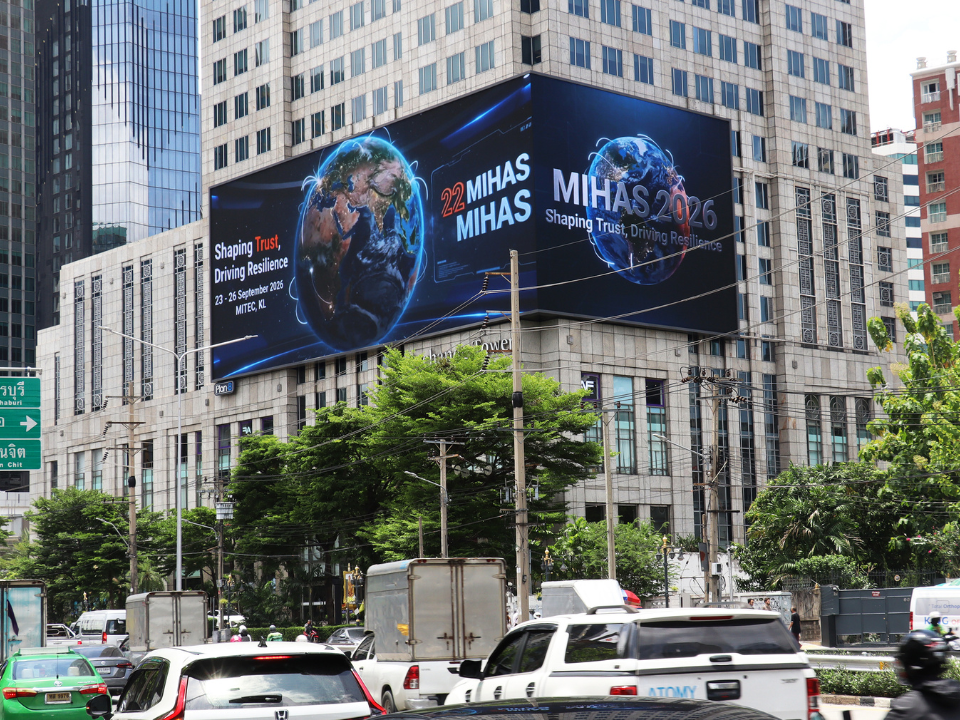
For marketers, this creates an opportunity to engage a concentrated audience of business decision-makers through outdoor advertising, digital displays and other forms of brand visibility across key transport routes and commercial locations.
Businesses do not necessarily need an exhibition booth to benefit from the increased attention generated during MIHAS week. Strategic marketing campaigns around the city can also help brands reach buyers, investors and international visitors.
Consumer demand across Southeast Asia is increasingly connected.
Many brands now view ASEAN as a single growth region rather than a collection of separate markets. As businesses expand into neighbouring countries, consistent regional branding and coordinated marketing become increasingly valuable.
This is particularly relevant for halal businesses serving multiple markets. Companies that combine certification with strong brand visibility are often better positioned to build trust among distributors, retailers and consumers across the region.
MIHAS provides an opportunity for businesses to develop these regional connections while gaining a clearer understanding of changing market dynamics.
image via Firstboard
With strong international participation expected once again, businesses planning to attend are encouraged to prepare early.
Exhibitors can secure booth space across multiple halal industry sectors, while buyers and sourcing professionals can register for business matching programmes designed to connect qualified suppliers with international purchasers.
Companies interested in strengthening their regional presence may also consider broader marketing activities before and during the exhibition to maximise visibility among the thousands of delegates expected to visit Kuala Lumpur.
Across Asia, trade exhibitions are becoming important gateways for investment, innovation and regional business growth. RiseAsia brings you stories that explore how industries, markets and emerging opportunities are shaping the region’s economic future while helping businesses connect across borders.
Discover more insights on trade, investment and regional development at www.riseasia.com.
MIHAS 2026 is the 22nd Malaysia International Halal Showcase, organised by MATRADE and held from 23 to 26 September 2026 at MITEC, Kuala Lumpur.
The event connects global buyers, suppliers and investors while showcasing opportunities across the halal economy, including food, cosmetics, pharmaceuticals, finance and tourism.
The exhibition is suitable for manufacturers, exporters, distributors, retailers, investors and businesses looking to expand into Southeast Asia’s growing halal market.