Sustainable sago farming in Asia
Living AsiaUrban Development

How Sago Could Become Asia’s Next Sustainable Superfood

URL copied
Share URL copied

For generations, sago has been part of everyday food traditions across parts of Southeast Asia. In Malaysia, it remains closely associated with Sarawak and familiar dishes such as Sago Gula Melaka, Linut and Tebaloi.

Now, this traditional ingredient is finding a place in a much bigger conversation. Growing interest in gluten-free and plant-based foods is creating new possibilities for sago, while communities in Indonesia are showing how its production can also support forests and rural livelihoods.

The story unfolding in South Sorong, Papua, offers a useful example. Here, indigenous knowledge, reforestation and small-scale food production are coming together around an ingredient communities have relied on for generations.


Why Sago Is Attracting Fresh Attention

Sustainable sago farming in Asia

Sago is naturally gluten-free, giving it potential as consumer demand shifts towards alternative ingredients. The global gluten-free products market is projected to reach US$13.7 billion by 2034, while Asia Pacific is expected to record particularly strong growth.

That does not automatically make sago a “superfood” in the nutritional sense. Its wider potential lies in the combination of food use, cultural value and the possibility of building more sustainable local production systems around it.

For Southeast Asia, that matters. Traditional ingredients can become part of modern food innovation without losing the knowledge and communities behind them.

In Papua, Sago Is More Than a Food Source

For the Tehit Knasaimos Tribe in South Sorong, sago is closely connected to the forest and indigenous identity. Their philosophy, “Tabraw’o mamfe teme”, translates to “The forest is our Mother.”

That principle guides six sub-tribes in protecting customary land and maintaining the different sago varieties found within it. But illegal logging and land degradation have placed pressure on parts of the landscape.

The community responded with its own restoration efforts. In 2018 and 2019, residents began replanting sago on degraded land, with the aim of restoring the ecosystem while securing an important resource for future generations.

Passing Indigenous Knowledge to a New Generation

Sustainable sago farming in Asia

Young people are playing an important role through the Merdesa Village School (SEKAM), established by the Bentara Papua Association. The programme encourages village youth to participate in natural resource management while keeping traditional practices alive.

According to SEKAM youth representative Ewil M. Woloin, protecting the forest has been a long-term community effort. He said residents have consistently rejected palm oil development since 1996 while encouraging the replanting of sago in cleared areas.

Learning has also extended beyond South Sorong. A comparative study in Riau helped participants strengthen their understanding of peatland ecosystems, while women have become more involved in seed selection and food sustainability.

This creates an important bridge between generations. Instead of treating traditional knowledge as something belonging only to the past, communities are finding ways to apply it to today’s environmental and economic challenges.

Turning Sago Into New Economic Opportunities

Protecting a resource becomes more sustainable when communities can also build livelihoods around it.

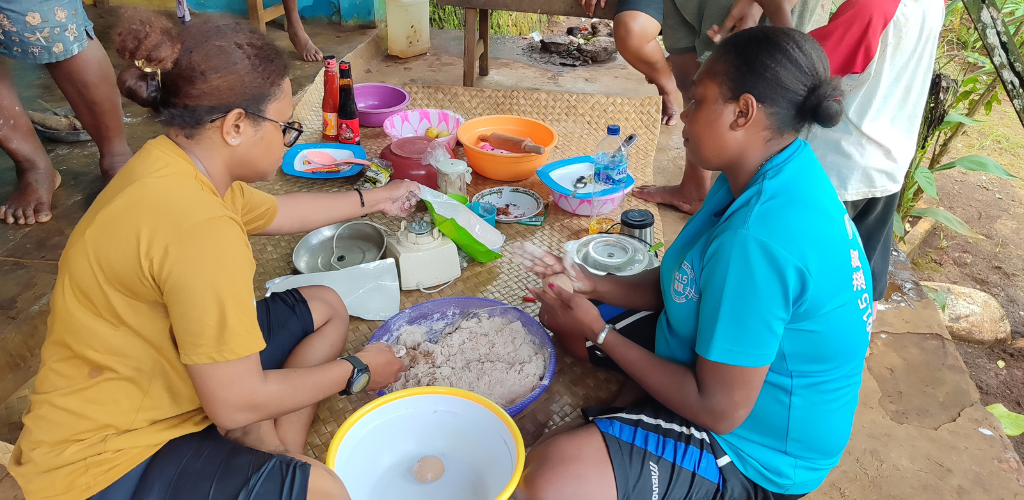
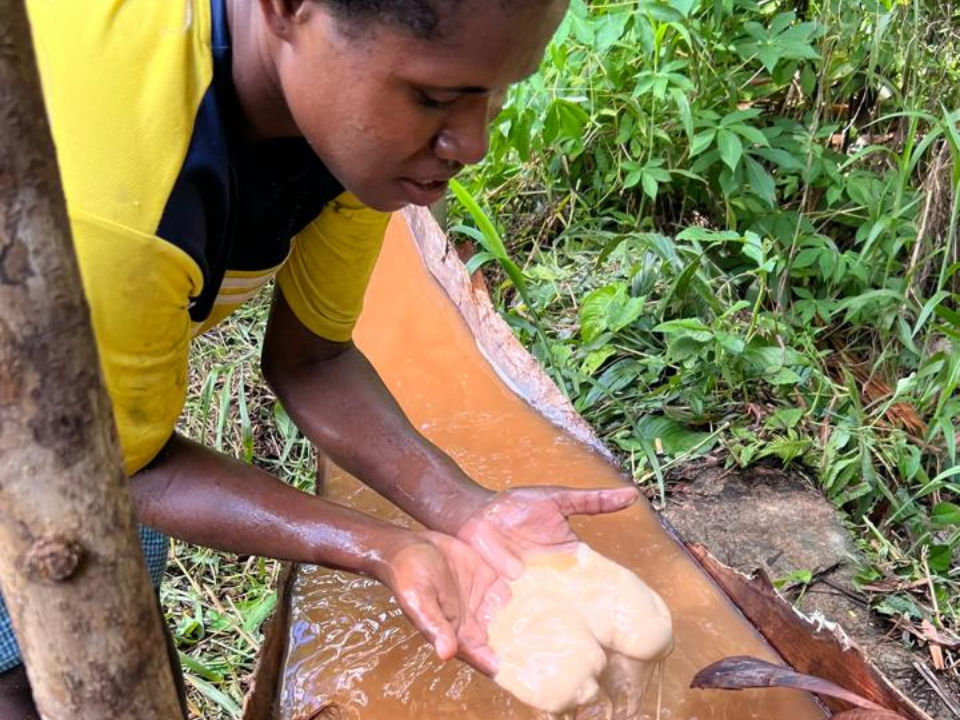
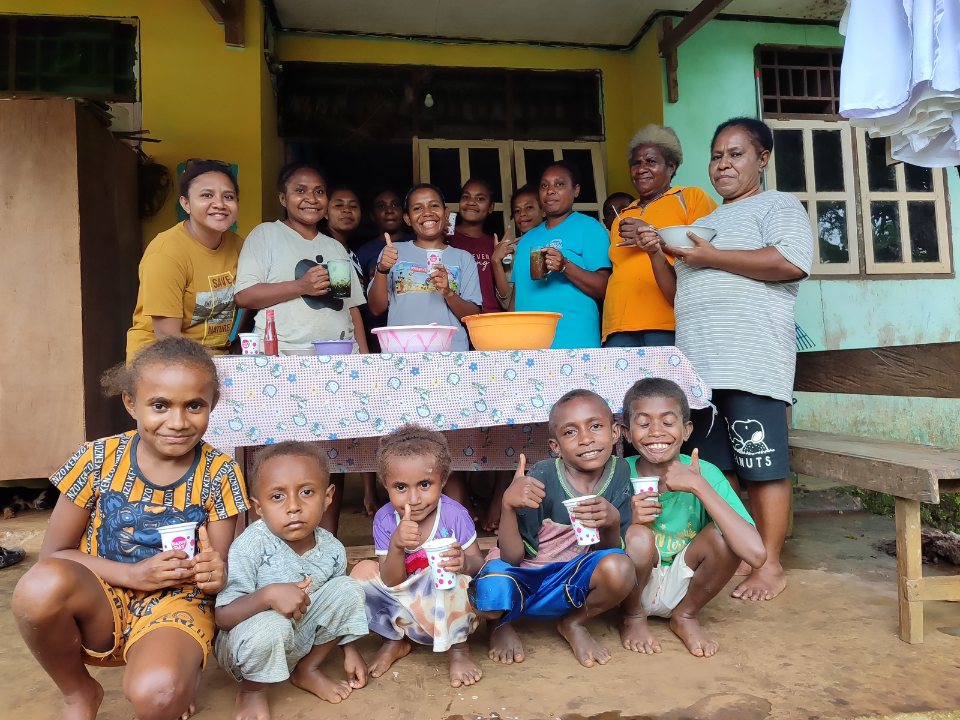
The Sira Bentara Papua Station was established in South Sorong to support product development, training and community learning. Youth and women are now processing local sago under the Tepung Sagu Mangsir brand.

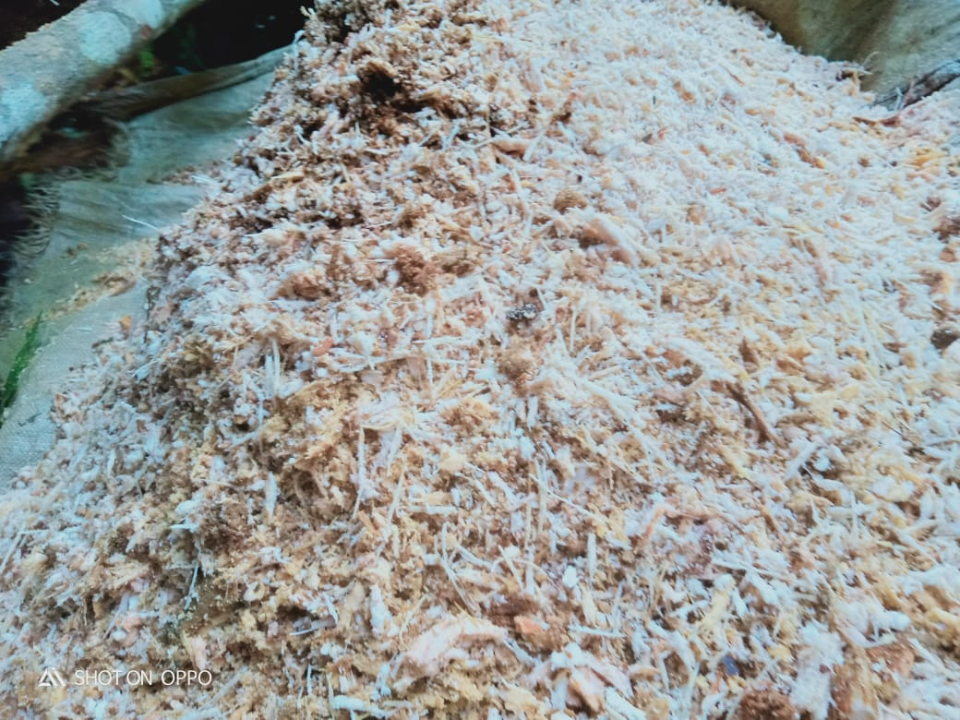
Instead of relying mainly on sago for household consumption, residents have learned to turn it into products such as noodles, cakes, cendol and cookies. This gives a familiar ingredient more commercial potential while keeping more economic value within the community.

“Our main goal is to prove they do not need to leave their hometown to prosper; it is enough to process what is on their own customary land,” said Alink Syafril, Coordinator of Sira Bentara Papua Station.

Building a Restorative Local Economy

The programme goes beyond teaching residents how to make products. Support also covers product permits, marketing and efforts to strengthen community institutions so locally made goods can reach wider markets.

The long-term idea is a restorative economy. Income generated from natural resources can help support households while part of the value created is channelled towards forest restoration and stronger communities.

According to the initiative, participating community members have recorded an average additional income of IDR1 million, or about RM226.

Women and youth participation through the Kna Mandiri Cooperative has also increased by 60%. This is important because local food development can create opportunities for groups that might otherwise have fewer pathways into formal economic activity.

Replanting Sago Means Restoring More Than One Crop

Around five hectares of sago have so far been replanted in degraded forest areas under the initiative.

The restoration has helped revive 11 companion tree varieties while preserving four locally valued sago varieties: Falya dla, Fa Sampe, Fablen and Fanomik.

This highlights an important difference between simply increasing agricultural production and building a resilient food system. The latter considers livelihoods, biodiversity, local knowledge and the health of the surrounding environment together.

As Alink put it, prosperity does not have to come at the cost of nature. It can also come from recognising the value of what forests already provide.

What Sago Could Mean for Asia’s Food Future

Sustainable sago farming in Asia

Sago is unlikely to replace Asia’s major staple crops. Its opportunity may instead lie in diversification.

As food producers search for locally available and naturally gluten-free ingredients, traditional crops could support new food products while creating additional income for rural communities.

The South Sorong experience also offers a wider lesson. Food innovation does not always have to begin in a laboratory or with an entirely new ingredient. Sometimes, progress comes from taking another look at resources communities have understood for centuries.

Sago’s future could therefore be about much more than following a food trend. With careful development, it could connect indigenous knowledge with sustainable agriculture, rural enterprise and Asia’s changing food market.

From Traditional Knowledge to Sustainable Growth

The work in South Sorong shows how protecting cultural heritage and creating economic opportunities can support each other.

For Ewil and the young people involved, the long-term goal is clear: keep the forest standing and ensure younger generations remain connected to their identity and land.

As Asia looks for more resilient ways to feed growing populations, stories like this deserve greater attention. Sago may be an ancient ingredient, but the ideas developing around it, local enterprise and responsible food production are firmly focused on the future.

Discover More Sustainable Ideas Across Asia

From indigenous food systems and community enterprises to sustainable agriculture and new approaches to food security. 

RiseAsia highlights the people and ideas shaping a more resilient region. 

FAQs

1. Is sago naturally gluten-free?

Yes. Sago is naturally gluten-free, which gives it potential as an alternative ingredient for consumers seeking gluten-free food options.

Communities are processing sago into products such as noodles, cakes, cendol and cookies while receiving support in product development, permits and marketing. The initiative has also created additional income opportunities.

In South Sorong, communities have replanted about five hectares of sago in degraded areas. The work has also helped restore companion trees and preserve several local sago varieties.