Employee wellbeing Malaysia
Work & IndustryWorkforce & Labor

Employee Wellbeing Could Unlock Malaysia’s Productivity Growth, Says BSI

URL copied
Share URL copied

As Malaysia continues its push to improve productivity, a new study suggests one of the biggest opportunities may already be inside the workplace.

New research commissioned by global standards and professional services company BSI found that employers who create healthier and more supportive work environments can improve productivity, reduce employee turnover and strengthen long-term business performance. The findings come as Malaysia faces rising mental health concerns and new workplace regulations requiring organisations to better manage psychosocial risks.

Why Employee Wellbeing Matters More Than Ever

Employee wellbeing Malaysia

Employee wellbeing is increasingly becoming both a business priority and a legal responsibility in Malaysia.

The National Health and Morbidity Survey (NHMS) 2023 found that 4.6% of Malaysian adults, or around one million people aged 15 and above, are living with depression. The highest prevalence was recorded among those aged 16 to 29, representing a significant portion of the country’s current and future workforce.

At the same time, the Occupational Safety and Health (Amendment) Act 2022 and the Department of Occupational Safety and Health’s PRisMA 2024 guidelines require employers to identify and manage workplace psychosocial risks such as stress, burnout and mental health challenges.

Building Trust Can Improve Business Performance

Employee wellbeing Malaysia

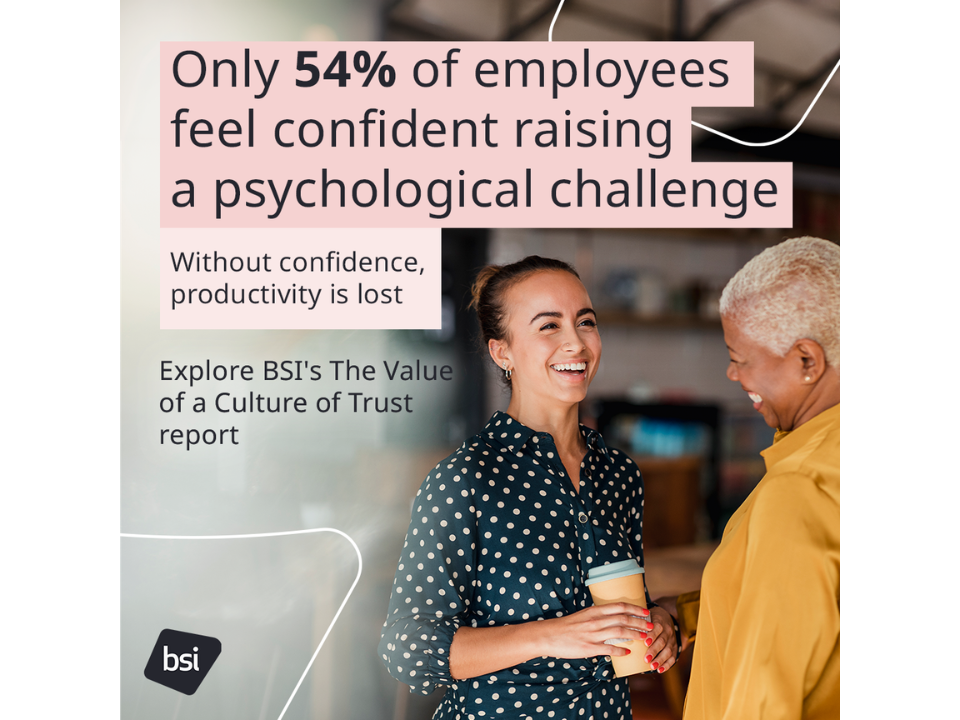
According to BSI’s global research, organisations that encourage employees to openly discuss physical health, mental wellbeing, neurodiversity and other personal health challenges benefit from stronger productivity and employee retention.

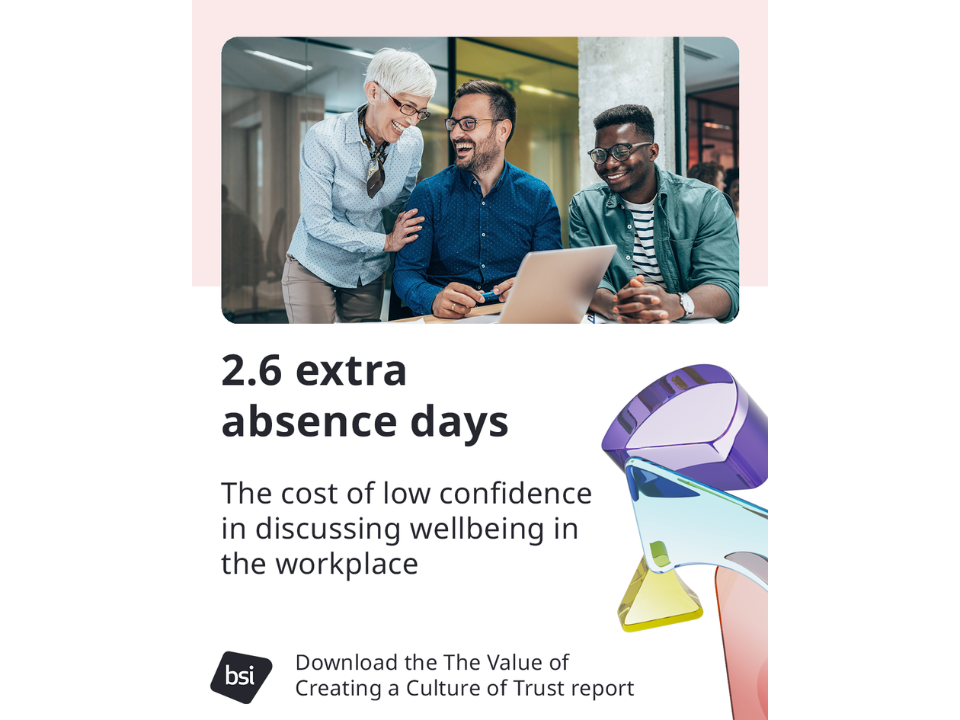
The study, supported by economic modelling from the Centre for Economics and Business Research (CEBR), found that employees who feel less comfortable seeking support are more likely to take longer sick leave, continue working while unwell and eventually leave their jobs. Together, these issues create hidden productivity losses that affect overall organisational performance.

BSI describes this as a “productivity premium” that organisations can unlock by fostering greater trust and openness in the workplace.

Looking Beyond Absenteeism

Employee wellbeing Malaysia

The research suggests employers should not rely solely on absenteeism as an indicator of workforce health.

Employees experiencing health challenges often continue working despite being unwell, a phenomenon known as presenteeism. While attendance remains high, productivity, concentration and engagement can decline significantly.

The study also highlights that low-confidence employees are more likely to resign or take extended leave compared to those who feel comfortable discussing workplace health concerns early.

A Stronger Workforce Supports Economic Growth

Malaysia recorded a 3.4% increase in labour productivity per worker in 2025, according to the Department of Statistics Malaysia (DOSM). Maintaining that momentum will depend on building a healthier and more resilient workforce.

BSI Malaysia Managing Director Evelyn Chye said organisations should move beyond measuring attendance alone.

She noted that productivity challenges are often hidden within day-to-day performance, making workplace trust and early support increasingly important for improving business resilience and national competitiveness.

Meanwhile, BSI’s Global Head of Human and Social Sustainability, Kate Field, said employers have practical opportunities to support workers before health challenges become more serious. Simple interventions, workplace adjustments and open communication can help employees remain productive while strengthening organisational performance.


Standards Can Help Employers Build Better Workplaces

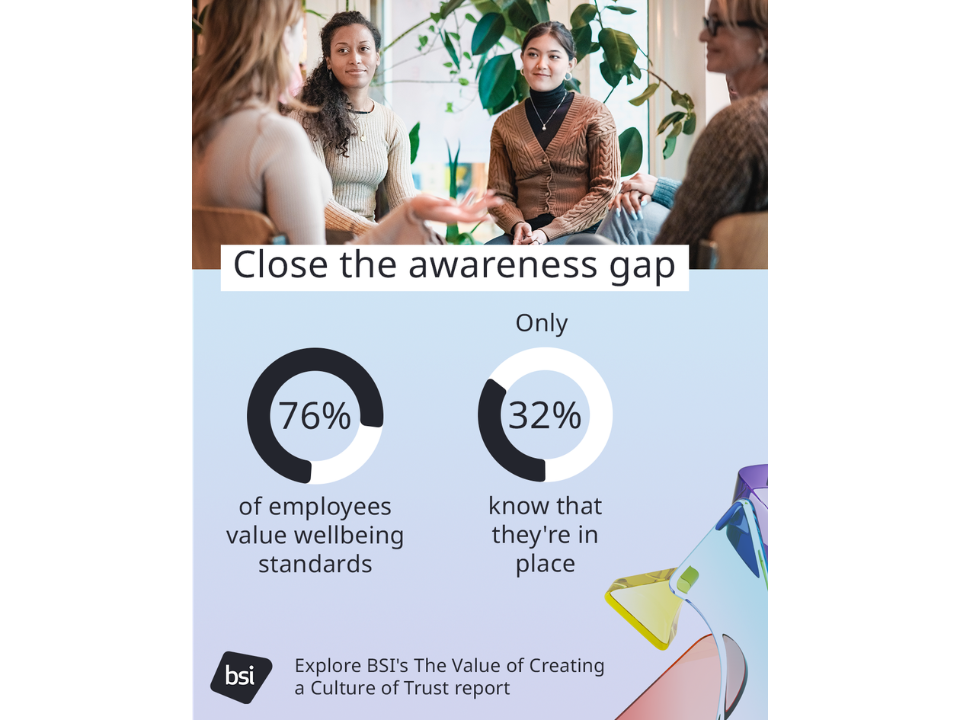
BSI encourages organisations to adopt recognised workplace health and wellbeing standards that provide practical guidance for supporting employees.

The report recommends several key actions, including creating a culture where employees feel safe seeking help, introducing early interventions before problems escalate and embedding structured wellbeing practices throughout the organisation.

Rather than viewing employee wellbeing as an additional cost, the research positions it as a long-term investment that benefits both businesses and employees.

Why This Matters for Malaysia

As businesses compete for skilled talent and adapt to changing workforce expectations, workplace wellbeing is becoming an important competitive advantage.

Organisations that invest in supportive workplace cultures are likely to experience lower absenteeism, reduced staff turnover and higher employee engagement. These improvements contribute not only to stronger business performance but also to Malaysia’s broader productivity and economic growth ambitions.

With mental health awareness increasing and regulatory expectations evolving, creating healthier workplaces is becoming an essential part of building resilient organisations for the future.

Learn More About the Research

BSI has published “The Value of Creating a Culture of Trust: Exploring the Impact of Workplace Health and Wellbeing Support on Productivity,” which provides practical guidance and standards-based recommendations for organisations seeking to strengthen employee wellbeing and workplace performance.

The full report is available for download through BSI’s official website:
https://www.bsigroup.com

Building Stronger Workplaces Across Asia

Healthy workplaces are becoming a key driver of productivity, innovation and sustainable economic growth across Asia. At RiseAsia, we highlight stories that showcase how organisations, industries and policymakers are creating better working environments that benefit both businesses and communities.

Discover more stories on workforce development, leadership and the future of work across Asia at www.riseasia.com.

FAQs

1. Why is employee wellbeing important for businesses?

Supporting employee wellbeing can improve productivity, reduce absenteeism, increase staff retention and strengthen long-term organisational performance.

Psychosocial risks include workplace stress, burnout, excessive workloads, bullying and other factors that affect employees’ mental health and wellbeing.

The report, The Value of Creating a Culture of Trust, can be downloaded from BSI’s official website for practical guidance on workplace health and wellbeing. 

Written by
Munirah

On my way to turning my dreams into reality