

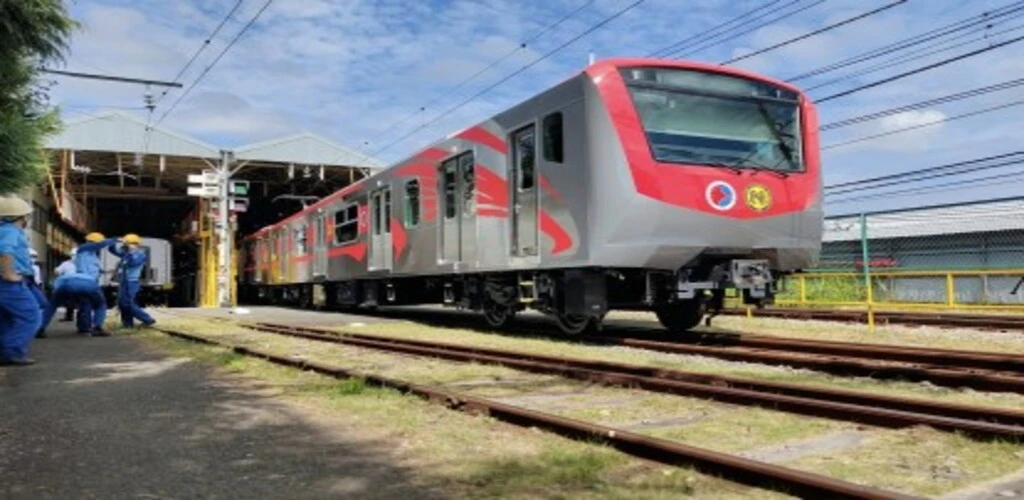

The Philippines’ transportation system is going through a big change right now, which is mostly due to rail upgrades in Metro Manila threading to other nearby provinces. The Philippine National Railways (PNR) and Light Rail Transit (LRT) systems will be expanded and updated as part of these projects. This will make it easier for people to get around and for things to move. In a place where traffic has long made it hard to trade and move around, these improvements to the rail system are very important for the economy.
For cities to keep developing, companies to survive, and investors to flock in, their transportation systems must work effectively. Improving the Philippines’ train system will not only help people get around the country more easily, but it will also make it easier for the country to connect to larger Asian trade and transportation networks. Improving train systems has traditionally raised output, made supply chains more efficient, and boosted the local economy. The Philippines can now use these experiences to improve its own infrastructure.
Rail Modernization Drives Economic Efficiency
The PNR and LRT system upgrades will continue until they complete their goal of increasing capacity while decreasing operational delays and modernizing their existing system. The system will provide more reliable service to commuters which will result in shorter travel times when it reaches its complete operational state. The system delivery process becomes more efficient which results in reduced delivery expenses together with enhanced speed of citywide good movement and better logistical estimation for businesses. The economic impacts of these enhancements extend across all sectors from manufacturing and retail to service operations and travel activities.
Upgrading rails provide airports with their main economic advantage because they improve trade activities. Rail systems provide urban centers with better connectivity which enables goods to move more quickly through reduced road traffic congestion. The improved rail connectivity between different locations in the Philippines will help exporters and importers decrease their logistics expenses which will lead to better supply chain performance because Metro Manila traffic causes supply chain interruptions.
The Manila LRT extensions will connect with industrial and commercial centers to support the transport of perishable items and shipments that require urgent delivery. The PNR modernization project will improve freight transport between cities by connecting ports to warehouses and production facilities according to project expectations. Rail investment trends from other Asian markets demonstrate that these investments lead to increased trade volumes and operational efficiency improvements which businesses experience through decreased operational delays.
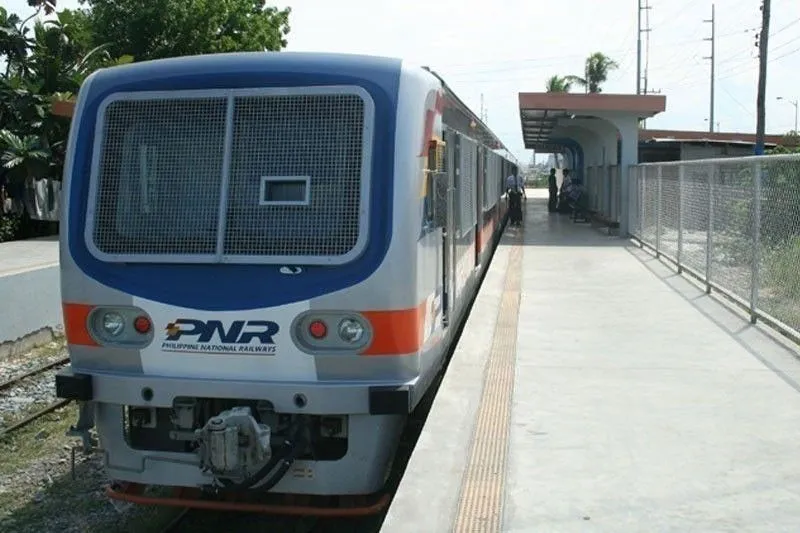
Impact on Trade and Supply Chains
Upgrading rails provide their most important economic advantage through their ability to improve trade operations. The rail systems provide faster and more reliable cargo transportation services because they connect urban areas better and decrease roadway traffic congestion. Rail networks need to be developed better in the Philippines because supply chains there experience delays during heavy traffic periods which affect both Metro Manila and provincial routes. Rail connectivity improvements will help exporters and importers in the Philippines because it will decrease their logistics costs.
The Manila LRT system expansion project links important industrial and business areas which enables better transportation of perishable items together with urgent delivery shipments. The PNR modernization project will enhance transport and trade operations between ports and warehouses and manufacturing plants. The changes show how Asian markets develop because rail investments create more trade activity while businesses experience shorter operational interruptions.
Broader Socioeconomic Benefits
The public benefits from rail upgrades because they create better business operations and generate commercial advantages. People experience improved quality of life because decreased traffic and faster travel times to work allow them to spend their time on work and recreation activities. The development of trustworthy transport and trade systems that people can use increases economic opportunities for residents who live in suburban and peri-urban areas to access urban job markets.
The improvement of rail infrastructure brings benefits that help develop real estate business operations and tourist activities. New or upgraded stations create commercial areas which provide job opportunities and attract business investments. The advantages of these policies for urban planning and environmental sustainability and enhanced regional connectivity benefits policymakers in Asia’s developing cities which face critical urbanization challenges.
Regional Context and Lessons from Asia
Asian countries have used rail systems for economic growth throughout their history. The Shinkansen network in Japan along with the high-speed rail system in China and the Mass Rapid Transit system in Singapore function as educational case studies which demonstrate how transport and trade investments generate increased productivity and urban development and better trade networks. The development of transportation infrastructure in each instance led to shorter travel times which enabled better regional connections and increased business operations.
The Philippines can become a more attractive regional hub by connecting its rail improvements with current Asian logistics and trade patterns. The country achieves better competitiveness in regional supply chains through its efficient transport networks which reduce operational expenses and enhance delivery performance. Policymakers can improve rail project outcomes for both domestic and international cross-border economic advantages through the study of regional best practices.
Challenges and Considerations
The advantages of large-scale rail upgrades exist without doubt yet their implementation face multiple difficulties. The anticipated economic benefits face restrictions because of the delays and budget overruns together with the challenges of merging new systems with current transport networks. The complete advantages of projects depend on three essential factors which include their timely completion and proper maintenance and their seamless connection to all transportation options including buses and ports and airports. The rail infrastructure needs to be used by companies together with government officials who must identify the best ways to improve their operational efficiency in trade and transportation. The economic benefits of rail upgrades will depend on three factors which include strategic planning and private sector partnerships and urban development goals.
Conclusion
Rail upgrades in the Philippines serve as an investment for transportation which creates economic efficiency and trade facilitation and urban development. The projects will enhance the Philippines’ regional economic standing through their ability to improve connectivity and decrease congestion and facilitate quicker transportation of goods and people. The completion of PNR and LRT systems will create a transportation network which enables businesses and consumers and policymakers to access sustainable growth through its improved efficiency and accessibility.
Read more stories of Asia on riseasia.com.