
The aviation industry in Indonesia is entering a new era. Because more people are flying and domestic connections are getting better across the archipelago, the country is working quickly to improve airports all over the place. Tech in Asia is the main reason for this change. Indonesia needs to change the way it plans its long-term transportation and airport infrastructure more and more.
Indonesia is trying to modernize its airports as part of a larger trend in Southeast Asia toward digital transformation in aviation. This includes things like AI-powered traffic management systems and biometric boarding gates. The goal is clear: to make airports smarter so they can help the economy grow, bring back tourists, and keep the area competitive.
Indonesia has some of the most complicated geography in the world. It also has the biggest economy in all of Southeast Asia. There are more than 17,000 islands, so flying isn’t just a nice thing to do; it’s necessary for strategic reasons.
With modern airport infrastructure, we can:
As tourism and trade grow in the area, airports are becoming more important to the economy. A strong aviation infrastructure makes investors more confident, makes the supply chain more reliable, and makes Indonesia a better place for businesses to do business in the area.
In this case, making airports better isn’t just a technical fix; it’s a plan for long-term growth.
As major airports like Soekarno-Hatta International Airport in Jakarta and Ngurah Rai International Airport in Bali get more modern, it is becoming more and more important to use technology.
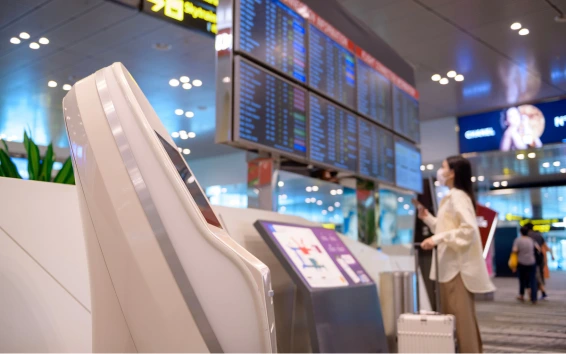
Self-service kiosks, automated baggage drops, and e-gates are becoming more common. These systems make it easier and faster for passengers to get through the system, and they also speed up the processing times.
People are also looking into biometric verification technologies to make it easier to get on board. These kinds of changes make travel less crowded during busy times and make the whole experience better for passengers. This is a big sign of how tough the global airline business is.
Airports are starting to adopt tools that use predictive analytics to help them plan runways, turn planes around, and do maintenance cycles. Artificial intelligence technologies can look at how people travel to make terminal design and service staff more effective.
The airline industry has to make this digital shift in order to move more people. This is because it lowers the costs of long-term maintenance and makes operations more reliable.
The airports in Indonesia are growing better since they are receiving new structures and improved technology influenced by advanced tech in Asia.
The main airport in the country, Soekarno-Hatta International Airport, has improved its digital systems and added additional space so it can manage more passengers. Most of the time, making terminals better means automating things, making passengers more comfortable, and bringing operations together.
The infrastructure in smaller cities is also getting better. Regional airports use digital payment systems, automatic baggage tracking systems, and platforms that help better manage air traffic.
Changes to Indonesia’s airports are not happening in a vacuum. A lot of airports in Asia are now places where people can try out new digital ideas.
Businesses in Southeast Asia that work on AI analytics, cloud computing, cybersecurity, and smart mobility systems are changing the way aviation works in the area. Setting regional aviation standards and sharing information across borders are both helping to speed up the process.
A bigger ecosystem in tech in Asia includes:
Indonesia’s efforts to modernize by aviation digital transformation show how countries are working together to improve technology in the region and change the way they plan their infrastructure.
People who use airports and the economy will benefit from better airport infrastructure.
If travel is easier, Indonesia will look better to the rest of the world and be able to bring in more tourists.
Airlines can avoid delays by using systems that use data to plan flights and decide when repairs are needed.
Airports are good for the economy. Modern infrastructure makes it easy for foreign carriers to come in, link, and move things around. The aviation market in Southeast Asia is growing faster than almost anywhere else in the world.
In the future, Indonesia’s airports will probably change from just being places to get around to being full mobility ecosystems.
Things that could happen in the future are:
Airport infrastructure will still be important for the country’s growth because more and more people want to use technology and travel.
Technology will likely play an even bigger role in Asia, helping smart systems that make things safer, more efficient, and better for the environment.
Indonesia is working hard to modernize its airports through aviation digital transformation, and not just by fixing the buildings. It shows a commitment to long-term economic stability, connecting different areas, and using technology to work together.
Indonesia can have a bigger impact on Asia’s rapidly growing economy by using digital technology and smart planning in an aviation market that is becoming more competitive.
AI-powered operating systems, fingerprint verification, and other smart security technologies are speeding up the process of modernizing Indonesia’s airports. These new ideas will make the airport’s infrastructure better, which will make it larger and better prepared to accommodate more passengers. The procedures will also go more smoothly.
For example, “going digital” in the airline sector means employing cutting-edge technology like AI, data analytics, robotics, and cloud-based systems to run airports. Smart solutions for fixing damaged things, keeping an eye on traffic, and checking in are some examples of this trend. They keep everyone in Indonesia secure and help the system run more smoothly.
Thanks to contemporary airport facilities, people may now easily travel between islands, transact business, and do other things on all of Indonesia’s islands. A lot of organizations from all around the globe are seeking for airports that run well. This not only makes life simpler for the people who reside there, but it also provides the nation a bigger piece of the fast-growing aviation business in Southeast Asia.
Street food experiences in Asia touch new heights of excitement, and Vietnam...
By 2026, the Bangkok real estate market will no longer be defined...
Capital discipline, mixed-use integration, and the slow return of traffic patterns to...
Vietnam has registered remarkable progress in health gains over recent decades. Nevertheless,...