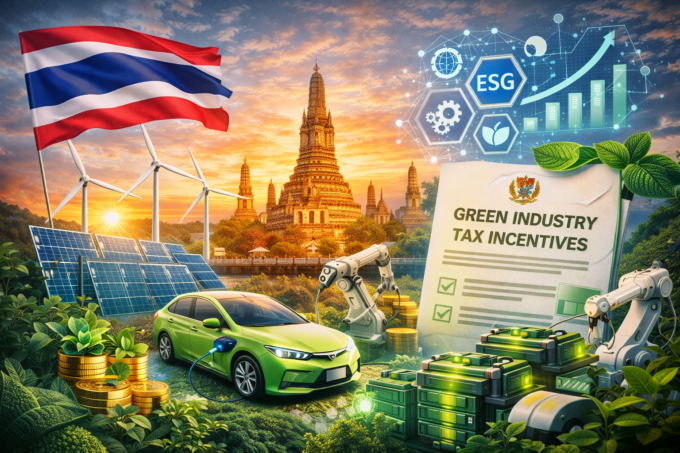



As Thailand moves faster toward a digital, industrial, and green economy, the trends in the country’s workforce are changing rapidly as an effect from the fast movement.
The structure of Thailand’s job market is changing. This can be seen in many industries such as electric vehicle manufacturing, AI integration, renewable energy, and advanced logistics are all becoming more common.
The questions these days shift from whether there is change, to how quickly businesses and workers can adapt to the rapid change.
The skills needed for workers in 2026 are very different from those in the last ten years. Thailand now becomes a stronger hub for manufacturing and services in the region making the competitiveness for the workers the key part.
The Move Toward a Digital Market
One of the trends of the Thai workforce is the demand for digital skills which is growing quickly.
Companies are now combining:
- Systems for automation
- Business tools that run in the cloud
- Analytics powered by AI
- Technologies for smart manufacturing
The Eastern Economic Corridor (EEC) is one example of this change. Engineers, robotics experts, and data technicians are needed at smart factories and electric vehicle production plants.
Thailand’s Need for Digital Skills Is Growing
Some of the most important digital jobs that are growing in Thailand are:
- People who work with data and AI
- People who work in cybersecurity
- Engineers in the cloud
- Digital marketing planners
- Managers of e-commerce operations
Digital transformation is also happening in small and medium-sized businesses. The need for useful digital skills all over Thailand keeps growing as small businesses grow online and start using enterprise software.
Automation is changing the way jobs work instead of replacing workers. More and more, workers need to work with technology instead of against it.
The Growth of Green Jobs in Thailand
Another trend in Thailand’s workforce is the rise of green jobs.
There are new types of jobs in Thailand because of the making of renewable energy, electric vehicles, and environmentally friendly business. Thai businesses are changing to meet the needs of global supply chains that put environmental standards first.
Growing Green Job Areas
Some green jobs that are growing in Thailand are:
- Technicians who work with solar and other renewable energy
- Experts in putting together EV batteries
- Sustainability compliance officers
- Engineers who work on the environment
- Consultants for energy efficiency
Manufacturers that sell to international markets must follow ESG rules. This means that people need to know how to do carbon accounting, environmental reporting, and clean production systems.
The move toward sustainability isn’t just a short term policy change; it’s becoming part of long term industrial planning.
Manufacturing is Smarter Now
Even though Thailand is known for manufacturing, but the job market in Thailand is shifting to tech driven than it was in the past.
Now, advanced manufacturing facilities depend on:
- Programming robots
- Systems for predictive maintenance
- Monitoring the Industrial Internet of Things
- Engineering with precision
This change needs more than just manual labor; it also needs mid-level technical skills.
Vocational schools and technical colleges are changing their courses to meet these needs. Public-private partnerships are helping to make sure that training programs are in line with what businesses need, so that graduates can get jobs in high-value fields.
More and more of the jobs Thailand is making in manufacturing are based on knowledge.
Making Upskilling a National Priority
As industries change, Thailand’s upskilling programs have become a key part of workforce policy.
Both the government and private businesses are putting money into:
- Certification courses that last for a short time
- Vocational training that is in line with the industry
- Programs for learning how to use technology
- Corporate efforts to retrain employees
Big companies are setting up their own academies to teach their workers how to use automation systems and AI. At the same time, small and medium-sized businesses (SMEs) are using online learning platforms to fill in skills gaps at a low cost.
Upskilling is no longer something you can choose to do; it’s becoming a must-have for businesses.
Why it’s important for businesses to upskill?
Investing in workforce development lowers the following for employers:
- Costs of hiring
- Losses in productivity
- Risks of skills mismatch
- Upskilling helps workers in the following ways:
- Potential for income
- Moving up in your career
- Staying in a job in a changing job market
Thailand’s demographic trends, such as an aging population, make it even more important to improve the workforce by teaching people skills that will make them more productive.
The Service Economy is also Evolving
People are paying attention to Thailand’s manufacturing and green industries, but the country’s service sector is also changing.
Tourism recovery, digital banking, modernizing logistics, and healthcare services are all things that people want:
- Professionals who speak more than one language
- Experts in digital customer experience
- Analysts of logistics and the supply chain
- Technicians for health technology
Bangkok and other big cities in the region are becoming centers for hybrid service-digital jobs. For example, the intersection of hospitality and technology is creating new types of digital service management jobs.
This diversification makes Thailand’s economy stronger in the larger ASEAN economy.
Jobs for Young People and the Future Workforce
The younger workers in Thailand are entering the job market with different skills and expectations.
- A lot of young professionals are:
- Digital natives who are also entrepreneurs
- Want to know more about flexible work models
- Used platforms for freelancers and creators
Thailand’s digital economy is growing, which is opening up new career options outside of traditional corporate jobs.
Still, closing the gap between what schools teach and what businesses need is a big problem. To make sure that people are ready for work, universities and businesses will need to work together more.
Problems with the job market in Thailand
Even though things are going well, there are still structural problems:
- In rural areas, there is a mismatch of skills.
- Digital access is not equal
- Gaps in the skills of SMEs
- Rivalry for skilled workers
To deal with these problems, the government, schools, and business leaders need to work together.
It’s a good sign that Thailand’s strategy for changing its workforce is becoming more connected with its national industrial planning. This makes sure that labor development keeps up with economic growth instead of falling behind it.
Why the Trends in Thailand’s Workforce Matter for ASEAN?
Thailand is a key part of ASEAN supply chains and networks for making things in the region.
As global businesses expand their operations in Southeast Asia, Thailand’s ability to offer:
- Talented people in digital fields
- Labor for making things that are green-certified
- Advanced technical experts will figure out what makes it better than the rest.
Thailand is more attractive to foreign direct investment, advanced manufacturing projects, and technology partnerships because its workforce is more modern.
In short, the evolution of the workforce is directly related to the economy’s strength.
A Workforce is Driving Thailand’s Next Phase of Growth
The trends in Thailand’s workforce show that the country is actively changing the foundations of its economy.
The need for more digital skills in Thailand, the growth of green jobs, and the improvement of advanced manufacturing capabilities all point to structural progress.
The jobs Thailand is making for the future will be more valuable, tech-based, and good for the environment.
Companies must now invest in developing their employees’ skills.
For workers, the way to get ahead is to keep learning.
Workforce evolution is the engine of long-term growth for the country.
The skills of Thailand’s people, not just its infrastructure, will shape the country’s next economic chapter.
FAQs
What are the fastest-growing skills in Thailand in 2026?
Digital skills, AI integration, renewable energy expertise, and advanced manufacturing capabilities are among the fastest-growing areas.
Are green jobs increasing in Thailand?
Yes. Renewable energy, EV production, and sustainability compliance roles are expanding as industries align with global environmental standards.
How is Thailand addressing workforce skills gaps?
Through upskilling programs, vocational reform, public-private partnerships, and corporate training initiatives focused on digital and industrial skills.
Want More Business Insights?
Stay updated with the latest business trends, SME strategies, and digital transformation insights in Thailand by exploring more articles on RiseAsia.
You may also enjoy reading our related article on riseasia.com/category/work-industry/ where we cover the latest developments in sector growth, workforce transformation, and enterprise innovation.