Malaysia has reinforced its commitment to strengthening long-term palm oil cooperation with China through a series of strategic industry engagements held in Shanghai this week.
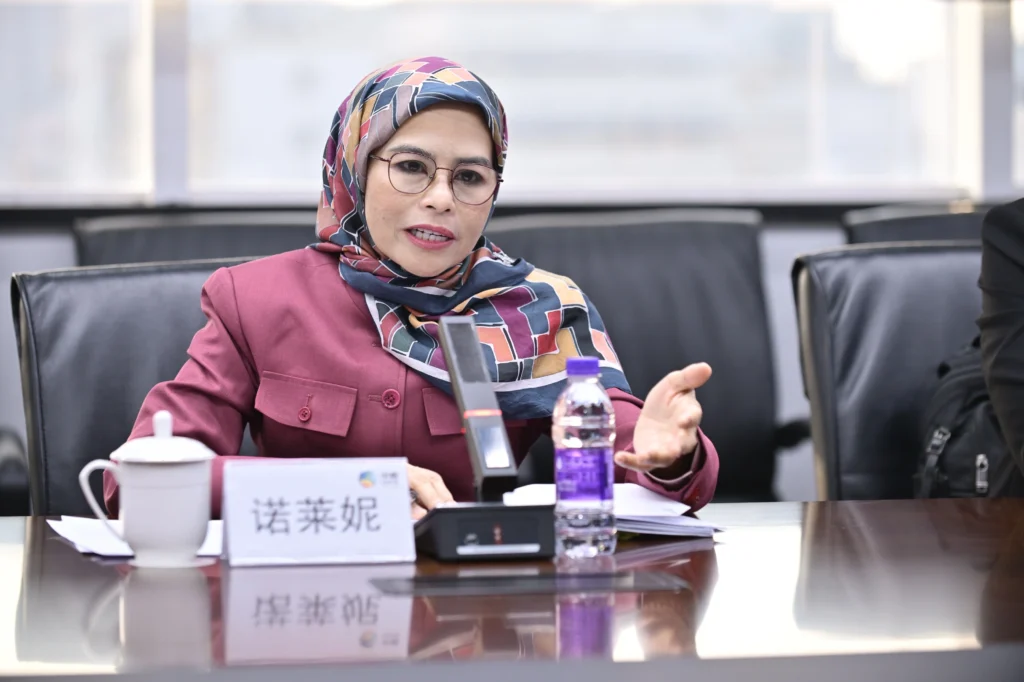
Led by Minister of Plantation and Commodities YB Datuk Seri Dr. Noraini Ahmad, the four-day programme focused on expanding collaboration across downstream processing, industrial applications, innovation, and sustainable supply chain development.
The engagements were coordinated by the Malaysian Palm Oil Council (MPOC) and included discussions with several of China’s major agribusiness and manufacturing players.
A key part of the programme was MPOF China 2026, MPOC’s flagship industry engagement forum held in Shanghai.
The forum brought together industry stakeholders to discuss market developments, food innovation, sustainability, and opportunities for palm oil applications across China’s food and industrial sectors.
According to the Minister, China remains an important strategic market not only as a major importer but also as a global manufacturing and innovation hub.
Malaysia is looking to deepen cooperation with Chinese companies through downstream development, specialty applications, and higher-value palm-based products.
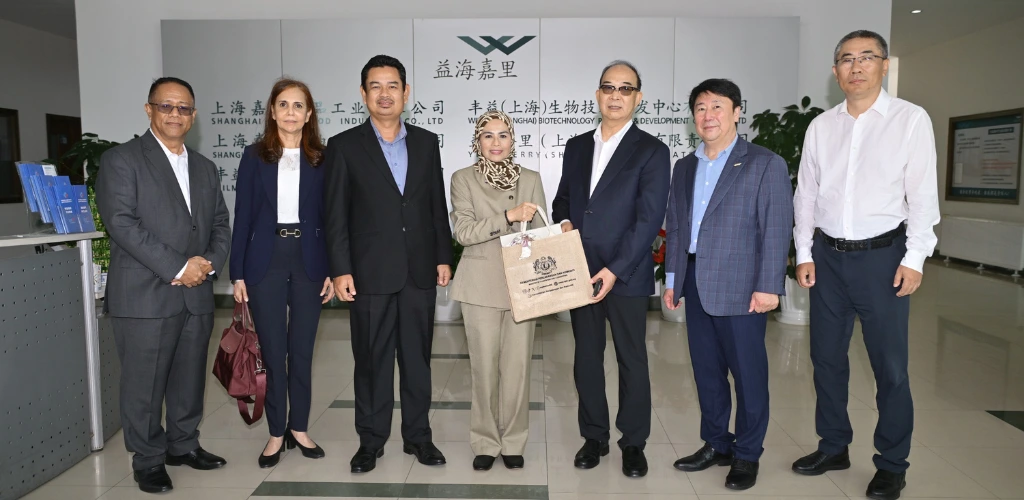
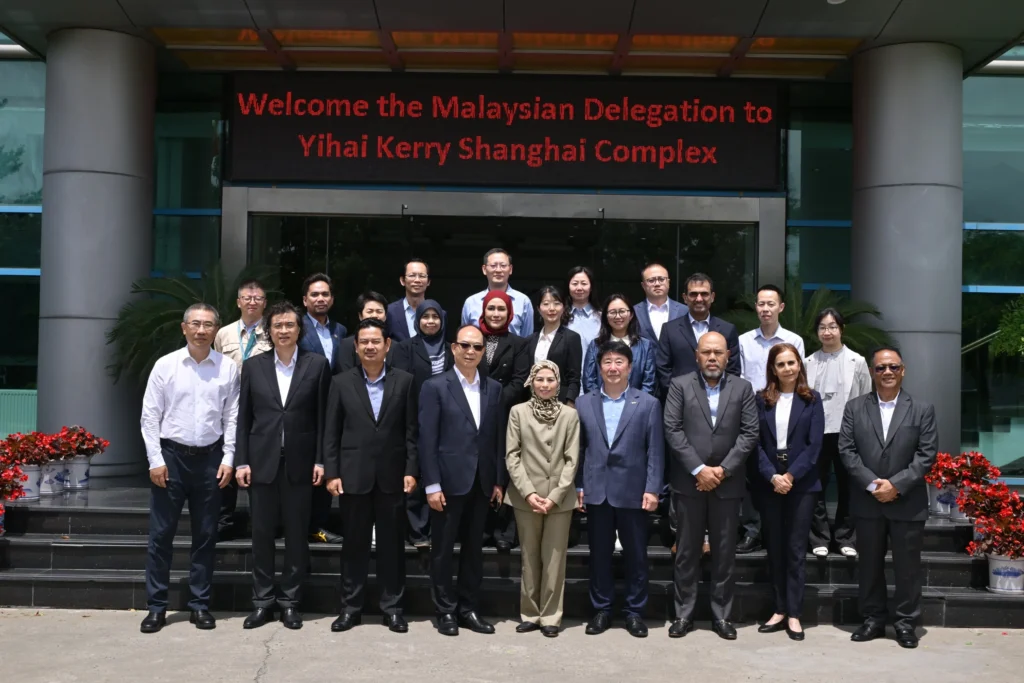
During the visit, the Malaysian delegation held engagements with companies including COFCO Corporation, Yihai Kerry Arawana Food Group under Wilmar International, and Taiko Palm-Oleo, a subsidiary of Kuala Lumpur Kepong Berhad (KLK).
Discussions with COFCO focused on long-term supply partnerships, sustainability collaboration, and market developments within China’s edible oils sector.
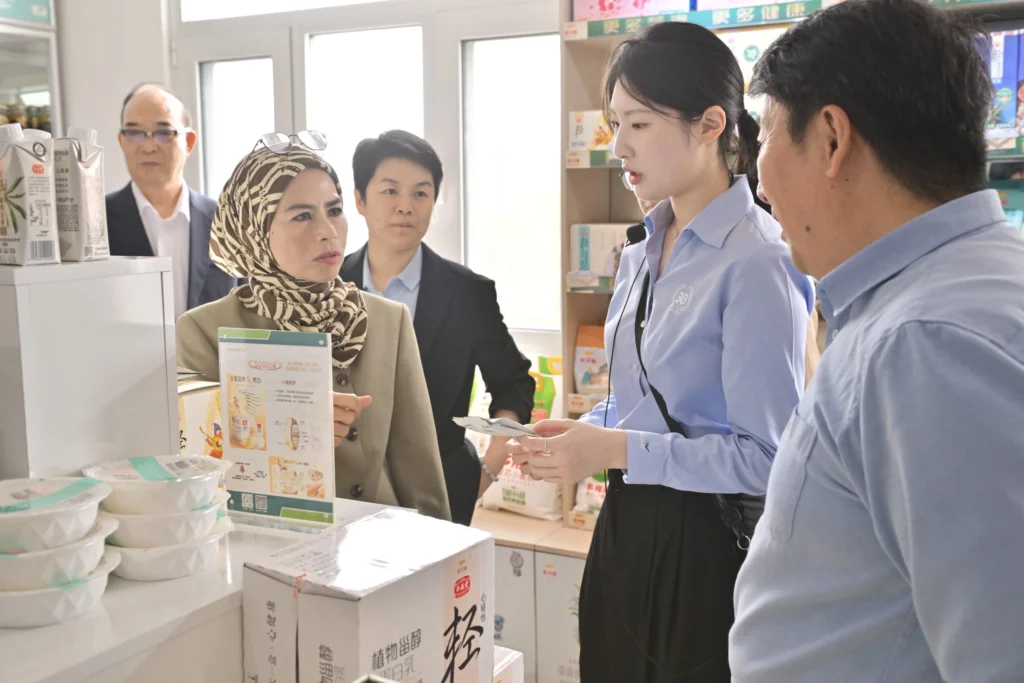
Meanwhile, engagements at the Yihai Kerry Research and Development Center centred on specialty fats, evolving consumer demand, and food innovation opportunities using palm-based applications.
The programme also included discussions on oleochemical growth areas such as personal care, pharmaceuticals, and industrial manufacturing.

Malaysia also reiterated its focus on sustainability and traceability as global expectations around responsible sourcing continue increasing.
The Minister noted that closer partnerships between Malaysian suppliers and Chinese manufacturers could support innovation-driven growth while strengthening resilient supply chains between both countries.
As demand grows for application-specific and higher-value palm-based products, Malaysia is positioning itself not only as a raw commodity supplier but also as a long-term industrial and innovation partner.
The strategy aligns with broader efforts to expand Malaysia’s role within downstream manufacturing and value-added exports.
China remains one of Malaysia’s most important export destinations for palm oil and palm-based products.
Growing demand across food manufacturing, specialty fats, personal care, and industrial sectors continues creating opportunities for Malaysian producers and downstream players.
At the same time, stronger bilateral industry engagement is expected to support technology exchange, product development, and long-term trade cooperation between both countries.
For Malaysia, the expansion of sustainable and innovation-focused palm oil partnerships is becoming increasingly important as the global oils and fats industry evolves.
Trade cooperation, downstream manufacturing, and sustainable industrial growth continue shaping economic partnerships across Asia.
For more updates on regional trade, commodity industries, and cross-border investment developments, visit RiseAsia and explore our latest coverage on Asia’s evolving economic landscape.
MPOF China 2026 is MPOC’s industry engagement forum focused on palm oil cooperation and market development in China.
The programme included discussions with COFCO Corporation, Yihai Kerry Arawana Food Group, and Taiko Palm-Oleo.
China is one of Malaysia’s largest export markets for palm oil and a major hub for food manufacturing and industrial applications.