
Food in Indonesia and some other parts of Southeast Asia is slowly changing. People in their teens and twenties are starting to like traditional Asian foods again. For example, kukusan are steamed dishes that used to be thought of as out of style. This change in food may seem small, but it is a sign of bigger changes in Asia’s economy, culture, and health that will happen between 2025 and 2026.
Street vendors, local food producers, and stores that sell things online will all be affected by this change. It connects to policymakers’ growing worries about the cost of health and food. Kukusan is a memory and a useful tool for Gen Z shoppers in a city that changes quickly.
Kukusan is a type of food that is steamed, like rice cakes, dumplings, vegetables, fish, and snacks that are popular in the area. People in Asia have been steaming their food every day for a long time. Indonesian lontong, Chinese dim sum, and Vietnamese bánh are all examples of steamed foods.
Social media is making this method more popular. Generation Z often posts short videos of simple steamed meals that look clean, bright, and cozy. A lot of young people now think that eating a lot of fast food that has been deep-fried is bad for their health in the long run. These pictures don’t look like that at all.
The talk in Indonesia got faster when Kementerian Kesehatan RI called for healthier breakfast habits and said that steamed foods could help improve the culture. Health Minister Budi Gunadi Sadikin even said that people should feel like they have to eat well. This shows how digital culture has changed the food people eat now.
For reasons outside its flavor, kukusan is popular among young people. Awareness of health issues and a solid sense of self are also important. Indonesian youth are gaining a better understanding of the relationship between diet, processed goods, and long-term healthy living than their more senior counterparts.
Scrambled or steamed foods complement this consciousness. In general, it requires less oil, retains more of its nutrients, and makes you feel lighter after eating it often. IPB University nutritionists say that steaming is better than some other methods of cooking that use a lot of heat to keep vitamins and minerals.
You also feel at home in Kukusan. It seems that imported diet trends don’t work well with the culture here, but traditional steamed foods do. Kukusan is a restaurant for people who want to eat food that is true to their culture and care about their health.
Another thing is feeling safe emotionally. Many young people in Indonesian cities live by themselves. In a city that moves quickly, people feel more stable when they eat simple steamed dishes that taste like food made at home. When you see pictures of warm, homemade kukusan meals on social media, this feeling is very strong.
This emotional bond is helpful for business. It doesn’t send people to fast-food establishments all over the globe; instead, it maintains demand moving via local food systems.
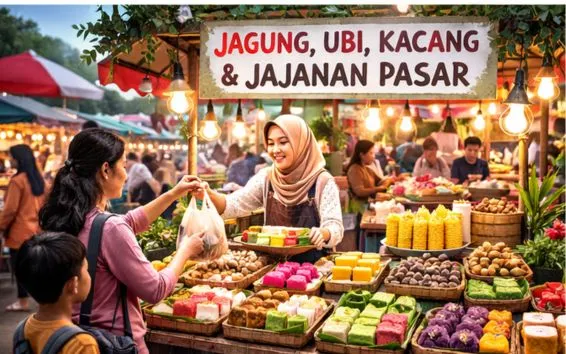
The kukusan movement is quietly supporting small companies in cities all around Indonesia. People are once again purchasing steamed dishes like kue lapis, putu, and lontong from traditional snack stores, morning market sellers, and home-based caterers.
You don’t need particularly complex instruments to start steaming, which is a plus. It’s easy for small business owners to follow this trend, especially women who cook at home. Kukusan is also a good deal because it uses less cooking oil, which has been going up and down in price over the past few years.
Modern stores, like street vendors, are also looking into frozen or ready-to-eat versions of traditional Asian steamed foods. This makes sense for Gen Z people who live in cities and have a lot going on. They want food that tastes like home and is easy to make.
This connects traditional Southeast Asian food to the business world, where food is made in big batches. There are new ways to send food to people, such as frozen dim sum, vacuum-sealed rice cakes, and meal kits that are ready to be steamed.
Steaming doesn’t only happen in Indonesia. It’s a big part of the culture in all of south east Asian food. Most famous food in Asia go through the steaming process. Steaming is an important step in making Thailand’s sticky rice, Malaysia’s kuih, and China’s baozi. People often use this method to trade and share food across borders.
As more people move to the area, traditional steamed dishes are becoming a part of the “authentic local food” experience that many Asian restaurants offer. People who travel a lot often look for foods that they think are healthier and lighter. Kukusan is a great example of this.
There is a bigger conversation going on about making sure everyone has enough food, and the kukusan trend is a part of that. You can easily find foods like rice, cassava, coconut, and vegetables that are used to make steamed foods. This dependence on local ingredients helps farmers in the country and cuts down on the need for processed foods from other countries.
Promoting traditional Asian food can help countries keep their food systems strong when the global supply chain isn’t stable. This is very important because the Indonesian government still works hard to help farmers in the area.
Asian governments are becoming increasingly concerned about non-communicable diseases resulting from the consumption of processed foods. Getting people to cook in traditional ways, like steaming, could help them be healthier without changing what they eat too much.
Instead of banning some foods, policymakers can suggest foods that are better for people from different cultures. Kukusan is a good example because it helps people eat better food that still tastes good.
This way doesn’t seem to limit customers as much. It helps businesses find new ways to do things while still doing things the same way they always have.
Generation Z is influenced by several things, including Kukusan’s prominence on social media, which they particularly like. Considerations such as cost, ease of preparation, cultural significance, and nutritional value are beginning to influence how young Asians see food.
Traditional Asian cuisine was formerly discarded, but people now see it in a different light. Steaming was easier in the past, but today you have to be conscious of what you put into your body and proud of your heritage to consume it. Potential benefits of this shift include streamlined food shopping for Southeast Asians, strengthened local supply chains, and the introduction of innovative, repurposed items.
The Kukusan method of cooking is one of the oldest in Asia, and it is quite popular. What this means is that the internet, health, and wealth are all merging.
Another sign of how much Indonesia and Asia’s economy and society have changed is that Gen Z is interested in kukusan. It helps small food businesses, makes people want to eat healthier every day, and makes people want to buy more ingredients from farms that are close by. It also shows that traditional Asian food can still be popular in today’s markets if people know how easy it is to eat, how good it is for them, and what it means to them.
Young people think that steamed foods are healthier, lighter, and more like how their parents cook. People these days think that social media is a good way to show off healthy, simple meals.
Yes, they are usually good for meals every day as long as they have a good balance of protein, vegetables, and other nutrients. Steaming gets rid of extra oil but keeps the vitamins and minerals that are good for you.
People are longing for the days of eating and snacking on classic meals. This is good news for small businesses and people who make things at home. This helps keep local food traditions alive and creates jobs in the suburbs and the city.
Street food experiences in Asia touch new heights of excitement, and Vietnam...
By 2026, the Bangkok real estate market will no longer be defined...
Capital discipline, mixed-use integration, and the slow return of traffic patterns to...
Vietnam has registered remarkable progress in health gains over recent decades. Nevertheless,...